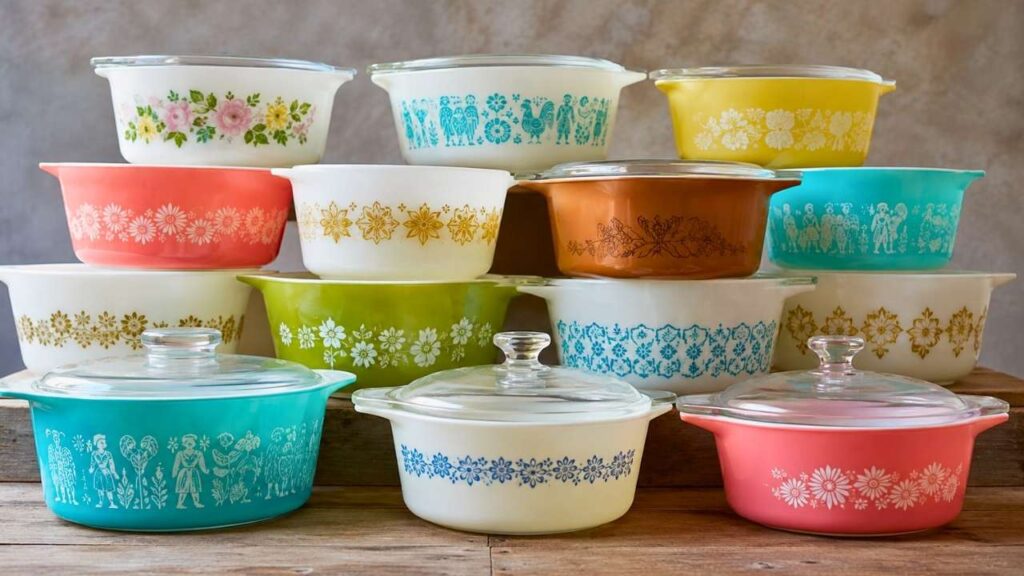
Vintage Pyrex Cinderella Bowls Value Guide: Vintage kitchenware has become one of the most exciting collectible categories in recent years, and few items attract as much attention as Pyrex Cinderella bowls. Known for their unique shape, colorful patterns, and remarkable durability, these bowls have become highly sought-after among collectors, decorators, and antique enthusiasts. Whether discovered at an estate sale, inherited from a family member, or purchased at a flea market, a set of vintage Pyrex Cinderella bowls can hold significant value depending on rarity, condition, and pattern.
This comprehensive guide explores the history of Pyrex Cinderella bowls, how to identify authentic pieces, the rarest patterns, current market values, and expert collecting tips.
The History of Pyrex Cinderella Bowls
Pyrex introduced the Cinderella bowl line in the late 1950s as part of its growing collection of colorful kitchenware. These bowls quickly stood out because of their distinctive design featuring two handles of different sizes on opposite sides.
One handle functioned as a pouring spout while the larger handle provided stability when mixing or pouring ingredients. This practical design made the bowls extremely popular among homemakers during the mid-century era.
Produced by Corning Glass Works, the Cinderella line reflected the vibrant colors and modern aesthetics of post-war America. Unlike earlier clear glass Pyrex products, these bowls embraced decorative patterns and bold color combinations.
Today, they represent a fascinating blend of functionality, nostalgia, and collectible appeal.
What Makes Cinderella Bowls Different?
The defining characteristic of Cinderella bowls is their asymmetrical handles.
Unlike standard nesting bowls, Cinderella bowls feature:
- One large handle
- One smaller pouring lip
- Nesting capability
- Heat-resistant glass construction
- Decorative exterior patterns
The innovative shape inspired the “Cinderella” nickname because the bowl appeared elegant and unique compared to traditional mixing bowls.
Collectors often seek complete nesting sets consisting of four bowls in graduated sizes.
Understanding Pyrex Marks and Backstamps
One of the easiest ways to identify genuine vintage Pyrex Cinderella bowls is by examining the bottom markings.
Different production periods used different logos and markings.
| Era | Typical Marking |
|---|---|
| 1950s | PYREX in all caps |
| Early 1960s | PYREX with model number |
| Late 1960s | PYREX and capacity markings |
| 1970s | Corning trademarks included |
| 1980s | Modernized logo styles |
Collectors use these markings to estimate manufacturing dates and verify authenticity.
Common model numbers include:
| Bowl Size | Model Number |
|---|---|
| 1½ Pint | 441 |
| 1½ Quart | 442 |
| 2½ Quart | 443 |
| 4 Quart | 444 |
Finding all four matching bowls significantly increases overall value.
Why Vintage Pyrex Has Become So Popular
Several factors have contributed to the explosive growth of the Pyrex collector market.
Nostalgia
Many collectors remember these bowls from childhood kitchens and family gatherings.
Mid-Century Modern Design
The colorful patterns complement contemporary home décor trends.
Durability
Pyrex products were designed for everyday use and often survive for decades.
Investment Potential
Rare patterns have appreciated dramatically in value over the past decade.
Social Media Influence
Collector communities regularly showcase unique finds, increasing demand among new buyers.
How to Identify Authentic Vintage Cinderella Bowls
Authenticating vintage Pyrex requires careful observation.
Examine the Glass
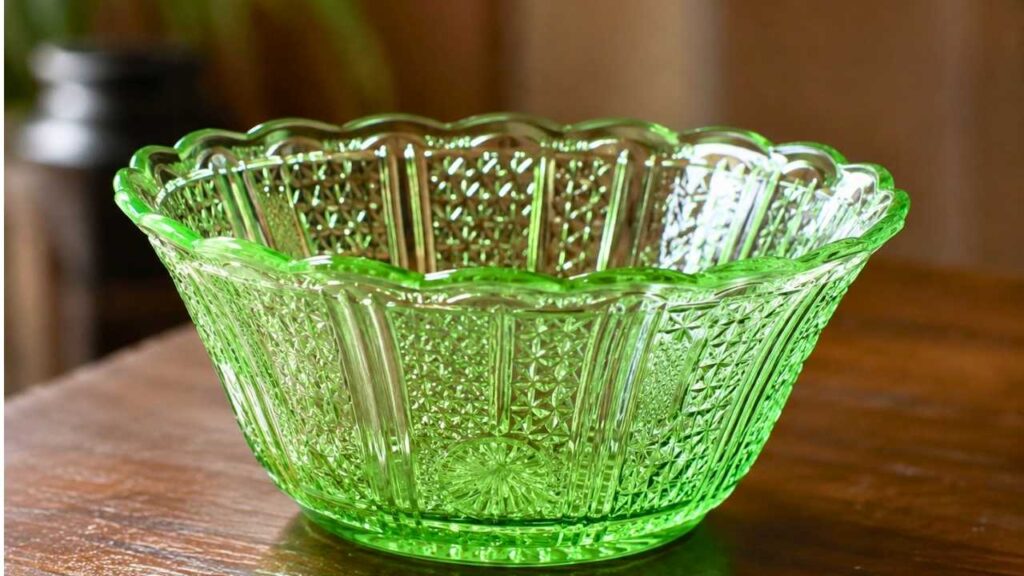
Authentic bowls are made from thick opal glass with a smooth finish.
Check the Pattern Quality
Original patterns display sharp details and consistent colors.
Look for Manufacturer Markings
Legitimate pieces almost always feature embossed markings on the base.
Verify Bowl Numbers
Matching nesting sets should include corresponding model numbers.
Inspect Wear Patterns
Natural aging differs significantly from artificial distressing.
Most Popular Vintage Pyrex Cinderella Bowl Patterns

Certain patterns consistently attract collectors due to their beauty and availability.
Butterprint
Introduced in 1957, Butterprint features farm scenes with roosters and corn motifs.
| Characteristic | Description |
|---|---|
| Main Colors | Turquoise and White |
| Production Years | 1957–1968 |
| Collector Demand | Very High |
| Average Set Value | $150–$450 |
Gooseberry
Gooseberry remains one of the most recognizable Pyrex patterns.
| Characteristic | Description |
|---|---|
| Colors | Pink, White, Black |
| Production Years | 1957–1966 |
| Average Value | $100–$400 |
Snowflake
Snowflake designs became popular during the 1960s and 1970s.
| Characteristic | Description |
|---|---|
| Colors | Blue and White |
| Demand | Strong |
| Value Range | $50–$250 |
Daisy
Daisy patterns reflected the flower-power aesthetic of the 1970s.
| Characteristic | Description |
|---|---|
| Colors | Yellow, Orange, Green |
| Value Range | $80–$300 |
Rare Pyrex Cinderella Bowl Patterns Worth Serious Money
Some patterns are exceptionally rare and can command premium prices.
Lucky in Love
Lucky in Love is considered the holy grail of Pyrex collecting.
The pattern features green grass, pink hearts, and clovers.
Only a limited number were produced, making them extraordinarily valuable.
| Pattern | Estimated Value |
|---|---|
| Lucky in Love Bowl | $1,500–$5,000+ |
| Complete Set | $5,000–$15,000+ |
Pink Daisy
Pink Daisy pieces remain difficult to locate in excellent condition.
| Pattern | Value Range |
|---|---|
| Individual Bowl | $75–$350 |
| Complete Set | $400–$1,200 |
Black Gooseberry
Black Gooseberry examples attract strong interest from advanced collectors.
| Condition | Estimated Value |
|---|---|
| Good | $150–$350 |
| Excellent | $350–$800 |
| Mint | $800–$1,500 |
Factors That Influence Value
Several variables determine the worth of vintage Cinderella bowls.
Pattern Rarity
Rare production runs command higher prices.
Condition
The better the condition, the higher the value.
Completeness
Complete nesting sets outperform individual bowls.
Color Vibrancy
Bright, unfaded colors attract stronger offers.
Collector Demand
Certain patterns remain consistently popular.
Provenance
Documented ownership history occasionally adds value.
Condition Grading Guide
Collectors often use specific grading categories.
| Grade | Description |
|---|---|
| Mint | No visible wear |
| Excellent | Minimal signs of use |
| Very Good | Light scratching |
| Good | Moderate wear |
| Fair | Noticeable damage |
| Poor | Chips, cracks, repairs |
Even small chips can reduce value dramatically.
Current Market Prices for Common Cinderella Bowl Sets

The following table provides approximate market values.
| Pattern | Fair | Good | Excellent | Mint |
|---|---|---|---|---|
| Butterprint | $80 | $150 | $300 | $500 |
| Gooseberry | $70 | $140 | $250 | $450 |
| Snowflake | $40 | $80 | $150 | $250 |
| Daisy | $50 | $100 | $200 | $350 |
| Friendship | $40 | $90 | $180 | $300 |
| Spring Blossom | $25 | $60 | $125 | $250 |
Actual prices vary depending on market demand and selling venue.
Signs of Damage That Reduce Value
Collectors pay close attention to condition issues.
Common problems include:
- Chips
- Cracks
- Deep utensil marks
- Dishwasher fading
- Pattern loss
- Staining
- Repairs
- Scratches
Even rare patterns lose substantial value when heavily damaged.
How to Spot Repainted or Altered Bowls
As values increase, altered pieces occasionally appear in the market.
Warning signs include:
- Unusual paint texture
- Uneven pattern edges
- Incorrect colors
- Missing manufacturer markings
- Artificial aging
Comparing suspect examples with verified originals is essential.
Best Places to Buy Vintage Cinderella Bowls
Collectors frequently find quality pieces through multiple channels.
Estate Sales
Estate sales often contain original family-owned sets.
Flea Markets
Unexpected bargains still appear at local markets.
Antique Shops
Antique dealers regularly stock Pyrex collectibles.
Online Auctions
Online platforms provide access to national and international inventory.
Collector Groups
Dedicated collector communities frequently offer authenticated examples.
Best Places to Sell Vintage Pyrex
Owners looking to sell can explore several options.
| Venue | Advantages |
|---|---|
| Online Auctions | Large audience |
| Antique Dealers | Fast transaction |
| Collector Groups | Knowledgeable buyers |
| Consignment Shops | Professional sales assistance |
| Vintage Markets | Direct customer interaction |
Researching recent sales before listing helps establish realistic expectations.
Caring for Vintage Pyrex Cinderella Bowls
Proper care protects both appearance and value.
Hand Wash Whenever Possible
Dishwashers can gradually fade decorative patterns.
Avoid Abrasive Cleaners
Gentle cleaning products preserve finishes.
Store Carefully
Nesting bowls should be separated with protective material.
Prevent Temperature Shock
Sudden temperature changes may crack glass.
Display Safely
Stable shelving reduces accident risks.
Building a Valuable Collection
Many collectors begin with affordable patterns before pursuing rare examples.
A successful collection often includes:
- Complete nesting sets
- Multiple pattern variations
- Limited-production pieces
- Regional releases
- Rare color combinations
Patience remains one of the most important qualities in collecting.
Investment Potential of Vintage Pyrex

While collectibles should primarily be purchased for enjoyment, Pyrex has demonstrated impressive long-term appreciation.
Several factors support future demand:
- Limited surviving inventory
- Growing collector base
- Strong nostalgia appeal
- Mid-century design popularity
- Increasing interest in vintage kitchens
Rare patterns have experienced some of the strongest growth.
However, values can fluctuate, so collectors should focus on quality rather than speculation.
Common Mistakes New Collectors Make
Beginners often encounter several challenges.
Buying Without Research
Understanding patterns prevents overpaying.
Ignoring Condition
Damage significantly affects value.
Focusing Only on Rarity
Condition sometimes matters more than scarcity.
Poor Storage
Improper storage can cause avoidable damage.
Missing Matching Pieces
Completing sets usually increases value substantially.
Future Trends in the Pyrex Market
Experts continue to observe strong interest in vintage kitchenware.
Several trends are shaping the market:
- Increased demand among younger collectors
- Growth of online collector communities
- Rising prices for uncommon patterns
- Greater appreciation for complete sets
- Increased focus on documented authenticity
As surviving examples become harder to locate, premium-quality pieces are expected to remain highly desirable.
Key Highlights
| Feature | Details |
|---|---|
| Manufacturer | Pyrex (Corning Glass Works) |
| Production Period | Primarily 1957–1983 |
| Material | Tempered Opal Glass |
| Collectibility Level | Very High |
| Most Valuable Patterns | Lucky in Love, Butterprint, Pink Daisy, Gooseberry |
| Value Range | $20 to $2,500+ |
| Best Selling Venues | Online auctions, antique malls, collector groups |
| Key Value Factors | Pattern rarity, condition, complete sets, color vibrancy |
Final Words
Vintage Pyrex Cinderella bowls occupy a special place in the world of collectibles. Their combination of practical design, colorful artistry, and nostalgic appeal continues to attract collectors across generations. While common patterns remain affordable entry points, rare examples such as Lucky in Love and Black Gooseberry can command remarkable prices.
Whether you are buying your first Cinderella bowl, evaluating a family heirloom, or building a serious collection, understanding pattern rarity, condition, authenticity, and market demand is essential. With proper care and informed purchasing decisions, these iconic pieces can provide both enjoyment and long-term collectible value for years to come.
FAQs
How can I tell if my Pyrex Cinderella bowl is vintage?
Check the bottom for embossed Pyrex markings, model numbers, and manufacturing details. Most vintage Cinderella bowls were produced between the late 1950s and early 1980s.
Which Pyrex Cinderella pattern is the rarest?
Lucky in Love is generally considered the rarest and most valuable Pyrex pattern ever produced.
Are scratched Pyrex bowls still valuable?
Yes, but value decreases depending on the severity of the scratches and overall condition.
What is a complete Cinderella bowl set?
A complete set typically includes four nesting bowls numbered 441, 442, 443, and 444.
Can vintage Pyrex be used for cooking?
Many collectors still use their Pyrex, but valuable pieces are often reserved for display to avoid accidental damage.
Why are some Pyrex bowls worth thousands of dollars?
Extreme rarity, limited production numbers, collector demand, excellent condition, and complete sets can drive values into the thousands.
Does dishwasher use affect value?
Yes. Repeated dishwasher use may fade patterns and reduce collectible value.
Where can I find accurate Pyrex values?
Review recent auction results, collector forums, antique dealer listings, and completed online sales for the most current pricing information.
Are all Cinderella bowls collectible?
Yes. Even common patterns attract collectors, although rare designs generally command higher prices.
What should I do if I find a rare Pyrex bowl?
Document its condition, verify authenticity, research recent sales, and consider consulting an experienced Pyrex collector or antique specialist before selling.