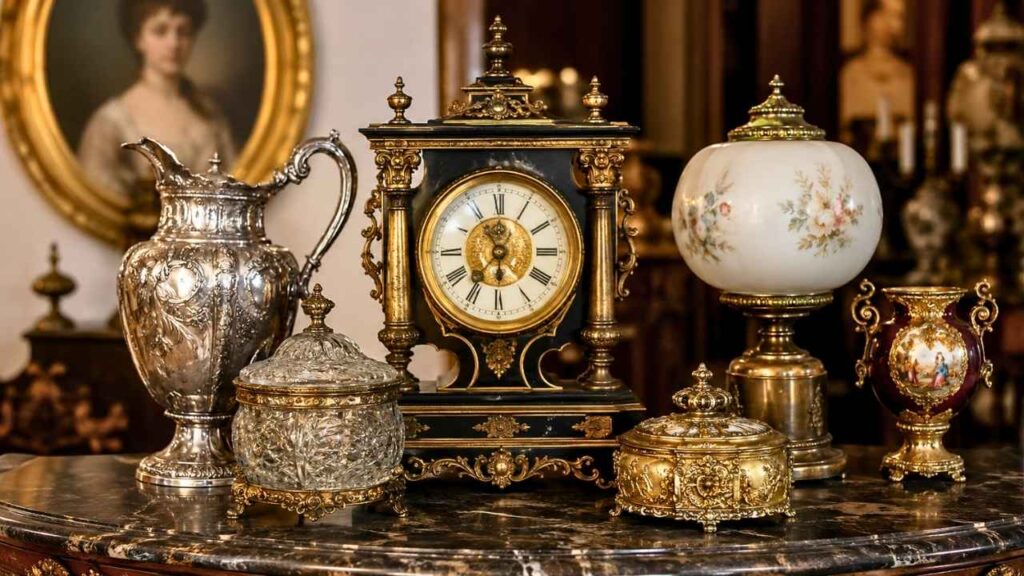
Is Vintage Green Depression Glass Collectible? Rare and Valuable Patterns Every Collector Should Know

Is Vintage Green Depression Glass Collectible? Rare and Valuable Patterns Every Collector Should Know

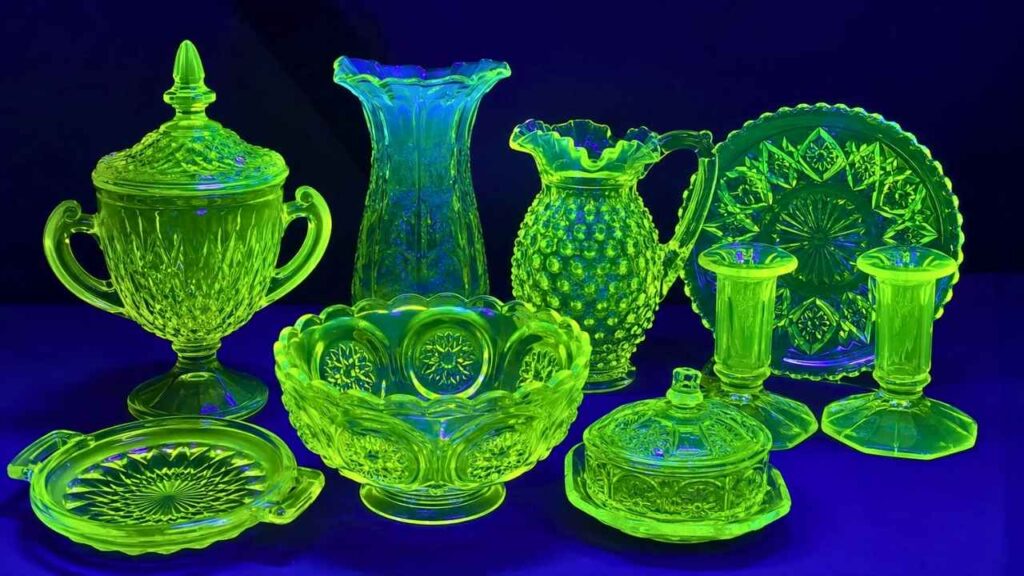
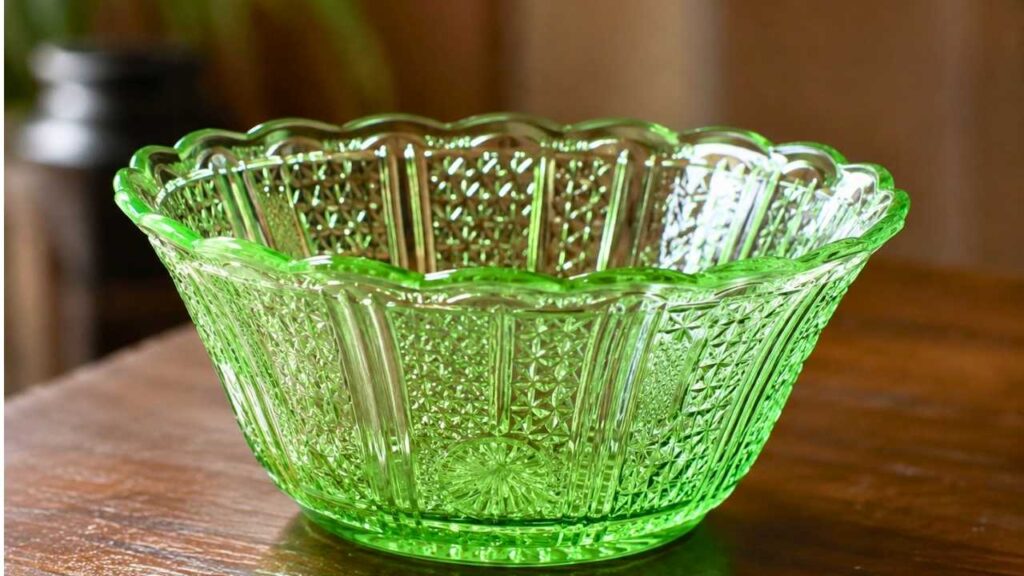
Vintage Green Depression Glass: Vintage Green Depression Glass has captivated antique enthusiasts, collectors, and home décor lovers for decades. Its distinctive green hue, elegant patterns, and fascinating history make it one of the most sought-after collectibles in the antique glass market. Whether displayed in a china cabinet, used as decorative tableware, or passed down through generations, these beautiful glass pieces continue to attract attention and increase in value.

But is Vintage Green Depression Glass truly collectible today? The answer is a resounding yes. Certain patterns, manufacturers, and rare pieces can command impressive prices among collectors. Understanding what makes specific designs valuable can help both beginners and experienced collectors make informed decisions.

In this comprehensive guide, we’ll explore the history of Green Depression Glass, examine the rarest and most valuable patterns, discuss factors that influence value, and provide expert tips for building a successful collection.

What Is Green Depression Glass?

Depression Glass refers to machine-made glassware produced primarily during the Great Depression era between 1929 and 1939. Manufacturers created affordable glass dishes, bowls, cups, and serving pieces to appeal to families struggling financially.

Many companies distributed these items through grocery stores, movie theaters, gas stations, and promotional giveaways. While Depression Glass was produced in various colors, green remains the most iconic and widely recognized.

The vibrant green color was created using specific minerals during manufacturing, resulting in pieces that remain visually striking even after nearly a century.

The History Behind Depression Glass

During the economic hardships of the 1930s, glass manufacturers sought innovative ways to maintain sales. Rather than selling expensive crystal, they focused on affordable yet attractive glassware.

Households often received Depression Glass as promotional gifts when purchasing household products. Grocery stores frequently offered pieces one at a time, encouraging customers to collect complete sets.

Major manufacturers included:

ManufacturerYears Active in Depression Glass ProductionNotable Patterns
Hocking Glass Company1930sPrincess, Cameo, Mayfair
Federal Glass Company1930sMadrid, Patrician
Jeannette Glass Company1930sCherry Blossom, Doric
Hazel-Atlas Glass Company1930sRoyal Lace, Aurora
Indiana Glass Company1930sPyramid, Horseshoe

Today, these manufacturers remain highly respected among collectors.

Why Is Green Depression Glass So Collectible?

Several factors contribute to the popularity of Vintage Green Depression Glass.

Historical Significance

Each piece represents a unique period in American history. Collectors appreciate owning artifacts connected to the Great Depression, a time that shaped generations.

Beautiful Design

The intricate patterns, floral motifs, geometric details, and elegant shapes continue to appeal to modern tastes.

Accessibility

Unlike many antiques, Depression Glass remains relatively affordable for beginners while still offering investment potential.

Nostalgia

Many collectors inherit pieces from parents or grandparents, creating emotional connections that increase demand.

Decorative Appeal

Green Depression Glass works beautifully in vintage, farmhouse, traditional, and even contemporary interior design styles.

How to Identify Authentic Green Depression Glass

Authenticating Depression Glass is essential because reproductions exist in the marketplace.

Here are some identifying characteristics:

FeatureAuthentic Depression Glass
Manufacturing MethodMachine-made
SurfaceMay contain tiny bubbles
Mold MarksOften visible
WeightGenerally lighter than modern glass
Color ConsistencySlight variations possible
Age WearMinor scratches on the base

Collectors should study pattern references and compare pieces carefully before making significant purchases.

Rare and Valuable Green Depression Glass Patterns

Certain patterns consistently attract strong interest among collectors and antique dealers.

Royal Lace

Royal Lace is widely considered one of the most valuable Depression Glass patterns ever produced.

Manufactured by Hazel-Atlas, the pattern features intricate lace-like detailing that creates remarkable visual depth.

Rare serving pieces and complete sets often command premium prices due to limited availability.

Cherry Blossom

Produced by Jeannette Glass Company, Cherry Blossom showcases delicate floral designs that remain highly desirable.

Collectors particularly seek:

  • Cookie jars
  • Covered dishes
  • Serving bowls
  • Cream and sugar sets

Well-preserved examples can sell for hundreds of dollars.

Mayfair (Open Rose)

Mayfair, commonly called Open Rose, features romantic rose patterns and elegant curves.

The pattern remains one of the most recognizable Depression Glass designs.

Its popularity stems from both beauty and historical significance.

Cameo (Ballerina)

The Cameo pattern displays graceful dancing figures surrounded by elegant decorative elements.

Collectors appreciate its artistic craftsmanship and timeless appearance.

Rare serving pieces can be especially valuable.

Princess

Produced by Hocking Glass Company, Princess combines geometric sophistication with Art Deco influences.

Its clean lines appeal to collectors seeking a more modern vintage aesthetic.

Patrician (Spoke)

Patrician features a bold spoke-like design radiating from the center of each piece.

The distinctive pattern remains highly collectible because of its unique visual impact.

Most Valuable Green Depression Glass Pieces

While complete sets are desirable, certain individual pieces are especially valuable.

Piece TypePotential Collector Demand
Cookie JarsVery High
Covered Butter DishesHigh
Cake PlatesHigh
Serving BowlsHigh
PitchersVery High
Cream and Sugar SetsModerate to High
Salt and Pepper ShakersModerate
Relish TraysHigh

Rare serving items often outperform common dinner plates in value.

Factors That Determine Value

Not every Green Depression Glass piece carries the same worth.

Several factors influence pricing.

Pattern Rarity

Less common patterns naturally attract higher prices.

Condition

Collectors prefer pieces free from:

  • Chips
  • Cracks
  • Repairs
  • Significant scratches

Mint-condition items command the highest values.

Color Intensity

Deep, vibrant green examples often generate stronger buyer interest.

Completeness

Matching sets generally sell for more than individual pieces.

Market Demand

Popularity fluctuates based on collector trends and availability.

Average Value Guide for Green Depression Glass

The following table provides a general pricing overview.

Item TypeAverage Value Range
Dinner Plate$10–$50
Salad Plate$10–$40
Cup and Saucer$15–$60
Cream and Sugar Set$40–$150
Serving Bowl$50–$300
Pitcher$75–$500+
Cookie Jar$150–$1,000+
Rare Covered Dish$100–$800+

Actual values vary significantly depending on pattern rarity and condition.

Where Collectors Find Green Depression Glass

Many collectors discover exceptional pieces through various sources.

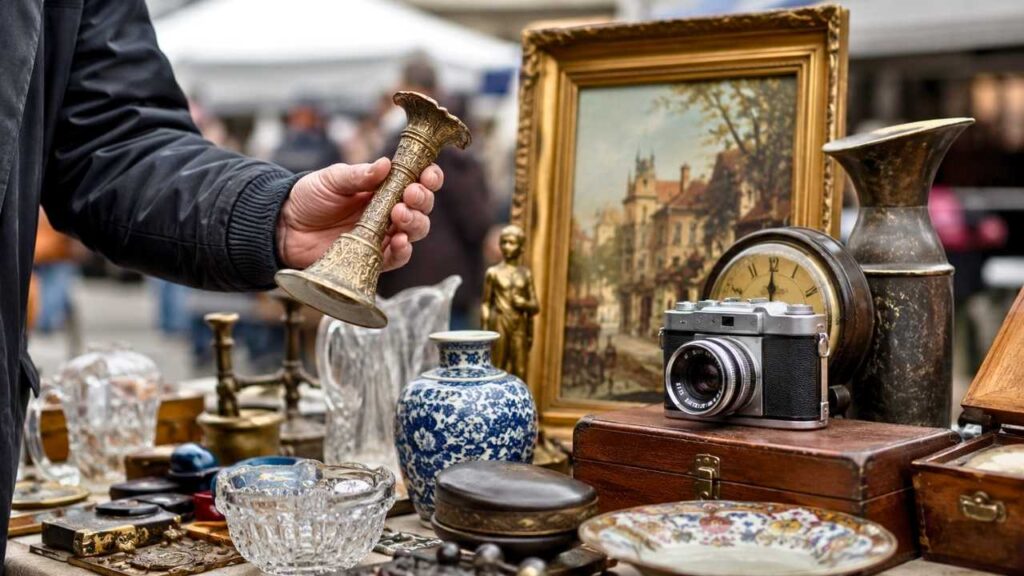
Antique Stores

Local antique shops remain excellent places to inspect items in person.

Estate Sales

Estate sales often uncover hidden treasures at competitive prices.

Flea Markets

Persistent searching can yield valuable finds for surprisingly low prices.

Online Marketplaces

Online platforms offer access to thousands of listings worldwide.

Antique Shows

Specialized antique events frequently feature knowledgeable dealers and rare inventory.

Common Mistakes New Collectors Make

Beginning collectors often encounter avoidable challenges.

Buying Without Research

Understanding patterns and manufacturers helps prevent costly mistakes.

Ignoring Condition

Small chips can dramatically reduce value.

Overpaying

Comparing prices across multiple sources ensures fair market value.

Purchasing Reproductions

Studying authentic examples helps distinguish originals from reproductions.

Focusing Only on Common Pieces

Rare serving pieces often appreciate faster than standard dinnerware.

Caring for Vintage Green Depression Glass

Proper care protects both beauty and value.

Follow these recommendations:

  • Wash by hand whenever possible.
  • Avoid extreme temperature changes.
  • Store pieces with protective padding.
  • Keep away from direct sunlight for extended periods.
  • Handle carefully to prevent chips and cracks.

Routine maintenance helps preserve collectible value for future generations.

Is Green Depression Glass a Good Investment?

While no collectible guarantees profits, Green Depression Glass has demonstrated long-term appeal.

Reasons collectors view it favorably include:

  • Consistent demand
  • Historical significance
  • Limited supply
  • Strong decorative appeal
  • Growing appreciation among younger collectors

Rare patterns and exceptional-condition pieces tend to perform best over time.

Tips for Building a Valuable Collection

Collectors seeking long-term success should consider the following strategies.

Specialize in One Pattern

Focusing on a single pattern helps build expertise.

Prioritize Condition

Quality typically outweighs quantity.

Buy Rare Serving Pieces

These items often offer the strongest appreciation potential.

Maintain Documentation

Keeping records enhances resale value.

Learn Market Trends

Understanding demand patterns can guide smarter purchases.

Key Highlights

  • Green Depression Glass was primarily produced during the 1930s.
  • Its historical significance contributes greatly to collector demand.
  • Royal Lace, Cherry Blossom, Cameo, Mayfair, Princess, and Patrician are among the most sought-after patterns.
  • Condition, rarity, and completeness strongly influence value.
  • Rare serving pieces often command higher prices than common dinnerware.
  • Authentic examples may contain small bubbles and visible mold marks.
  • Estate sales, antique stores, and online marketplaces remain excellent sourcing options.
  • Proper care and storage help preserve collectible value.
  • Demand for Green Depression Glass continues among antique enthusiasts and decorators alike.

Final Words

Vintage Green Depression Glass remains one of the most beloved collectibles in the antique world. Its combination of history, beauty, craftsmanship, and nostalgia continues to attract collectors of all experience levels. While common pieces can be affordable entry points, rare patterns such as Royal Lace, Cherry Blossom, and Cameo offer significant collector appeal and potential value.

Whether you’re building a collection for personal enjoyment, home décor, or investment purposes, understanding pattern rarity, condition, and authenticity is essential. With careful research and patience, collectors can uncover remarkable treasures that not only preserve a fascinating piece of history but may also become valuable heirlooms for future generations.

FAQs

Is Vintage Green Depression Glass worth collecting?

Yes. Vintage Green Depression Glass remains highly collectible due to its historical significance, attractive designs, and continued demand among antique enthusiasts.

What is the rarest Green Depression Glass pattern?

Royal Lace is often considered one of the rarest and most valuable Depression Glass patterns, especially in green.

How can I tell if my Depression Glass is authentic?

Look for machine-made characteristics, mold seams, slight manufacturing imperfections, and pattern details consistent with known originals.

Which Green Depression Glass pieces are most valuable?

Cookie jars, pitchers, covered dishes, serving bowls, and rare specialty items generally command the highest prices.

Does chipped Depression Glass still have value?

Yes, but chips, cracks, and repairs significantly reduce collector value compared to mint-condition examples.

Where can I sell Green Depression Glass?

Collectors commonly sell through antique stores, auction houses, estate sales, antique shows, and online marketplaces.

Is all green vintage glass considered Depression Glass?

No. Many types of vintage green glass exist. Depression Glass specifically refers to machine-made glassware produced mainly during the 1929–1939 era.

Why is Green Depression Glass more popular than other colors?

Green became the signature color of Depression Glass due to its widespread production, distinctive appearance, and strong collector recognition.

Can Green Depression Glass be used daily?

While it can be used occasionally, collectors generally recommend careful handling to prevent damage and preserve value.

Are complete sets more valuable than individual pieces?

In most cases, complete matching sets attract higher prices because collectors often seek fully coordinated collections.

Leave a Comment

Your email address will not be published. Required fields are marked *

Scroll to Top