Vintage Lamps Collectors Are Always Looking For: Top Brands, Popular Styles, and Valuable Antique Pieces Worth Money

Vintage Lamps Collectors Are Always Looking For: Top Brands, Popular Styles, and Valuable Antique Pieces Worth Money

Vintage Lamps Collectors Are Always Looking For: Vintage lamps have become one of the most sought-after collectibles in the antiques market. Whether displayed in a modern home, a traditional interior, or a dedicated collection room, these timeless lighting pieces offer a unique combination of beauty, craftsmanship, and history. While many people view old lamps simply as decorative objects, experienced collectors understand that certain brands, styles, and rare designs can be worth hundreds or even thousands of dollars.

The growing interest in vintage and antique décor has significantly increased demand for collectible lamps. Auction houses, antique dealers, estate sales, and online marketplaces regularly feature rare lamps that attract enthusiastic buyers willing to pay premium prices. From elegant Tiffany stained-glass masterpieces to classic mid-century modern designs, vintage lamps continue to hold their value and appeal.

This guide explores the most valuable vintage lamps, the brands collectors actively seek, identifying features that affect value, and practical tips for finding hidden treasures.

Why Vintage Lamps Are So Popular Among Collectors

Vintage lamps represent more than simple lighting fixtures. They showcase the artistic trends, manufacturing techniques, and cultural influences of their respective eras.

Several factors contribute to their popularity:

ReasonExplanation
Historical SignificanceReflects a specific design period
Artistic ValueFeatures handcrafted details
Investment PotentialRare pieces can appreciate in value
Decorative AppealEnhances interior design
Limited AvailabilityAuthentic examples become harder to find

Collectors appreciate the uniqueness of older lamps because many were handmade or produced in limited quantities compared to modern mass-produced lighting.

Understanding the Difference Between Vintage and Antique Lamps

Many people use the terms “vintage” and “antique” interchangeably, but collectors make an important distinction.

CategoryAge
Antique LampOver 100 years old
Vintage LampUsually 20–99 years old
Retro LampModern item inspired by older styles

A lamp manufactured in the 1920s is considered antique, while a lamp from the 1960s or 1970s is generally classified as vintage.

The Most Valuable Vintage Lamp Brands

Brand recognition often plays a major role in determining value. Certain manufacturers have built legendary reputations among collectors.

Tiffany Studios

No discussion of collectible lamps would be complete without Tiffany Studios.

Founded by Louis Comfort Tiffany in the late nineteenth century, the company became famous for handcrafted stained-glass lamps featuring intricate patterns and vibrant colors.

Popular Tiffany designs include:

  • Dragonfly
  • Wisteria
  • Peony
  • Lotus Blossom
  • Daffodil

Authentic Tiffany lamps frequently sell for thousands or even millions of dollars depending on rarity and condition.

Handel Lamps

Handel lamps are highly respected for their hand-painted shades and artistic designs.

Collectors particularly seek:

  • Reverse-painted shades
  • Scenic landscape lamps
  • Floral motifs
  • Nautical themes

Original Handel lamps from the early twentieth century remain highly desirable.

Pairpoint

Pairpoint Manufacturing Company produced elegant lamps known for exceptional craftsmanship.

Their famous “Puffy” lamps feature:

  • Hand-painted interiors
  • Delicate floral designs
  • Artistic glasswork

Well-preserved Pairpoint lamps often command impressive prices.

Bradley & Hubbard

This American manufacturer produced decorative lamps between the late 1800s and early 1900s.

Notable characteristics include:

  • Bronze construction
  • Ornate metalwork
  • Art Nouveau influences
  • High-quality castings

Collectors admire the durability and artistic value of Bradley & Hubbard pieces.

Moe Bridges

Moe Bridges specialized in lamps inspired by the Arts and Crafts movement.

Collectors appreciate:

  • Geometric designs
  • Handcrafted construction
  • Colored glass panels
  • Mission-style aesthetics

Original examples are becoming increasingly scarce.

Popular Vintage Lamp Styles Worth Collecting

Brand names matter, but style can be equally important.

Tiffany Style Lamps

Tiffany-style lamps remain among the most recognizable collectibles in the lighting world.

Key features include:

  • Stained-glass shades
  • Nature-inspired motifs
  • Rich colors
  • Bronze bases

Even vintage reproductions can carry significant value if made by respected manufacturers.

Art Nouveau Lamps

Art Nouveau dominated decorative arts from approximately 1890 to 1910.

Characteristics include:

  • Flowing lines
  • Floral patterns
  • Female figures
  • Organic shapes

Collectors often compete for authentic Art Nouveau lighting pieces.

Arts and Crafts Lamps

The Arts and Crafts movement emphasized handcrafted quality and simplicity.

Typical features include:

  • Straight lines
  • Mission-style construction
  • Warm earth tones
  • Geometric glass panels

These lamps remain popular among both antique collectors and interior designers.

Art Deco Lamps

Art Deco designs emerged during the 1920s and 1930s.

Collectors love these lamps because they combine elegance with modernity.

Common elements include:

  • Geometric patterns
  • Chrome accents
  • Frosted glass
  • Streamlined shapes

Art Deco lamps continue to attract strong demand worldwide.

Mid-Century Modern Lamps

Mid-century modern furniture and décor have experienced a major revival.

Vintage lamps from the 1950s through the 1970s often feature:

  • Minimalist design
  • Brass finishes
  • Sculptural bases
  • Unique shapes

Many collectors actively seek original examples from this period.

Materials That Increase a Lamp’s Value

The materials used in construction significantly affect collectibility.

Stained Glass

Handcrafted stained glass is one of the most desirable lamp materials.

Collectors value:

  • Vibrant colors
  • Intricate patterns
  • Authentic leaded construction
  • Artisan craftsmanship

Bronze

Bronze lamp bases generally command higher prices than common metal alternatives.

Benefits include:

  • Durability
  • Detailed casting
  • Historic appeal
  • Artistic quality

Slag Glass

Slag glass became popular during the late nineteenth century.

Its marble-like appearance creates beautiful lighting effects and remains highly collectible.

Brass

Many vintage lamps feature solid brass construction.

Collectors often pay premium prices for:

  • Heavy brass bases
  • Original patina
  • Decorative detailing

Marble and Stone

High-end antique lamps frequently incorporate marble or decorative stone.

These materials add both elegance and value.

How Collectors Identify Authentic Vintage Lamps

Authentication plays a critical role in determining value.

Look for Manufacturer Marks

Many valuable lamps contain:

  • Stamps
  • Labels
  • Engravings
  • Serial numbers

These markings help establish authenticity.

Examine Construction Quality

Authentic vintage lamps generally exhibit superior craftsmanship.

Indicators include:

  • Hand-soldered joints
  • Heavy materials
  • Detailed finishing
  • Precision workmanship

Study Electrical Components

Original wiring may help establish age, though many older lamps have been professionally rewired.

Collectors often consider rewiring acceptable if done properly.

Research Design Features

Certain design elements correspond to specific historical periods.

Understanding these characteristics helps identify reproductions.

Rare Vintage Lamps That Command High Prices

Some lamp categories consistently achieve impressive auction results.

Lamp TypeTypical Value Range
Authentic Tiffany Lamp$5,000–$1,000,000+
Pairpoint Puffy Lamp$1,000–$25,000
Handel Reverse Painted Lamp$800–$20,000
Art Deco Bronze Lamp$500–$15,000
Rare Mid-Century Designer Lamp$500–$10,000

Actual values vary depending on rarity, condition, provenance, and market demand.

Factors That Influence Lamp Values

Several factors determine what collectors are willing to pay.

Condition

Condition remains one of the most important considerations.

Collectors prefer:

  • Original components
  • Minimal repairs
  • No major cracks
  • Functional operation

Rarity

Limited-production models often generate intense interest.

The fewer examples that survive, the higher the potential value.

Provenance

Documented ownership history can significantly increase desirability.

A lamp connected to a notable individual or historical property may command a premium.

Design Appeal

Certain styles remain consistently popular.

Current market demand often influences pricing.

Originality

Collectors usually pay more for lamps that retain:

  • Original shades
  • Original bases
  • Factory hardware
  • Authentic finishes

Best Places to Find Valuable Vintage Lamps

Treasure hunters often discover valuable lamps in unexpected locations.

Estate Sales

Estate sales frequently offer original pieces that have remained in families for generations.

Antique Stores

Established dealers often carry authenticated lamps in various price ranges.

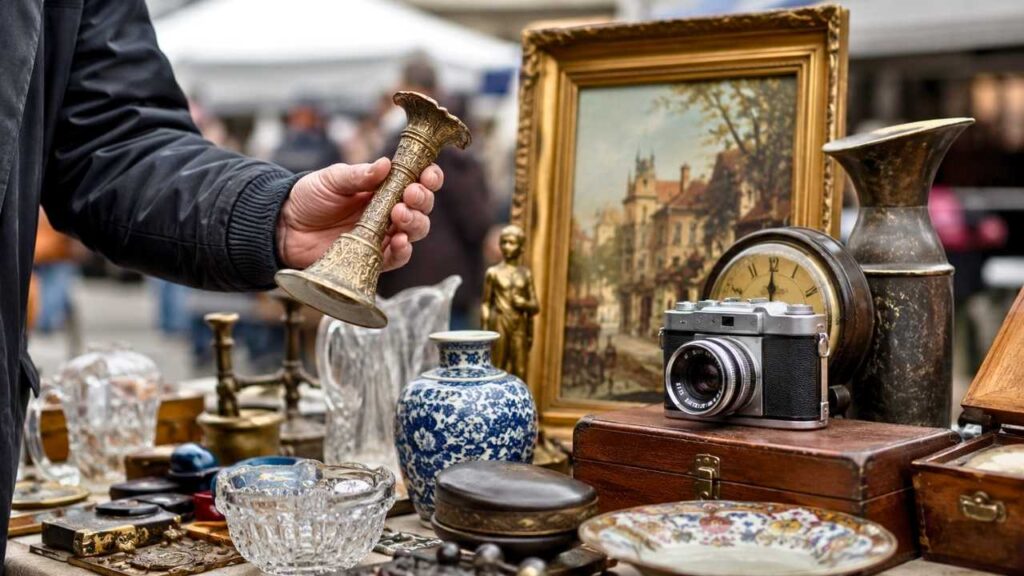
Flea Markets

Hidden bargains occasionally appear at flea markets.

Knowledgeable collectors regularly search these venues.

Auctions

Specialized antique auctions attract serious collectors seeking rare finds.

Online Marketplaces

Digital platforms have expanded access to vintage lighting worldwide.

Buyers should carefully verify authenticity before purchasing.

Common Mistakes New Collectors Make

Beginners often make avoidable errors when purchasing vintage lamps.

Some of the most common include:

  • Ignoring condition issues
  • Failing to verify authenticity
  • Overlooking repairs
  • Paying too much for reproductions
  • Buying without researching the brand

Learning to identify quality examples can save significant money.

Key Highlights

  • Tiffany lamps remain among the most valuable collectible lamps in the world.
  • Authentic manufacturer markings greatly improve value.
  • Art Nouveau, Art Deco, Arts and Crafts, and Mid-Century Modern styles remain highly sought after.
  • Original condition significantly impacts collector interest.
  • Bronze, stained glass, brass, and marble materials often increase value.
  • Estate sales, auctions, and antique stores remain excellent hunting grounds for rare pieces.
  • Provenance and rarity can dramatically raise selling prices.
  • Careful research helps collectors avoid expensive mistakes.

Leave a Comment

Your email address will not be published. Required fields are marked *

Scroll to Top