Rare Carnival Glass Value & Identification Guide: How to Spot Valuable Pieces and What They’re Worth

Rare Carnival Glass Value & Identification Guide: How to Spot Valuable Pieces and What They’re Worth

Rare Carnival Glass Value & Identification Guide: Carnival glass is one of the most fascinating collectibles in the antique world. Known for its shimmering rainbow-like colors and intricate patterns, this decorative glassware has captivated collectors for more than a century. Whether discovered at an estate sale, inherited from a family member, or found in an antique shop, carnival glass often raises an important question: how much is it worth?

While some pieces sell for only a few dollars, rare examples can command hundreds or even thousands of dollars at auctions. Understanding how to identify carnival glass, determine its rarity, and evaluate its market value can help collectors make informed decisions when buying or selling.

This comprehensive guide explores the history, identification methods, value factors, rare patterns, and pricing trends of carnival glass so you can confidently recognize valuable pieces.

What Is Carnival Glass?

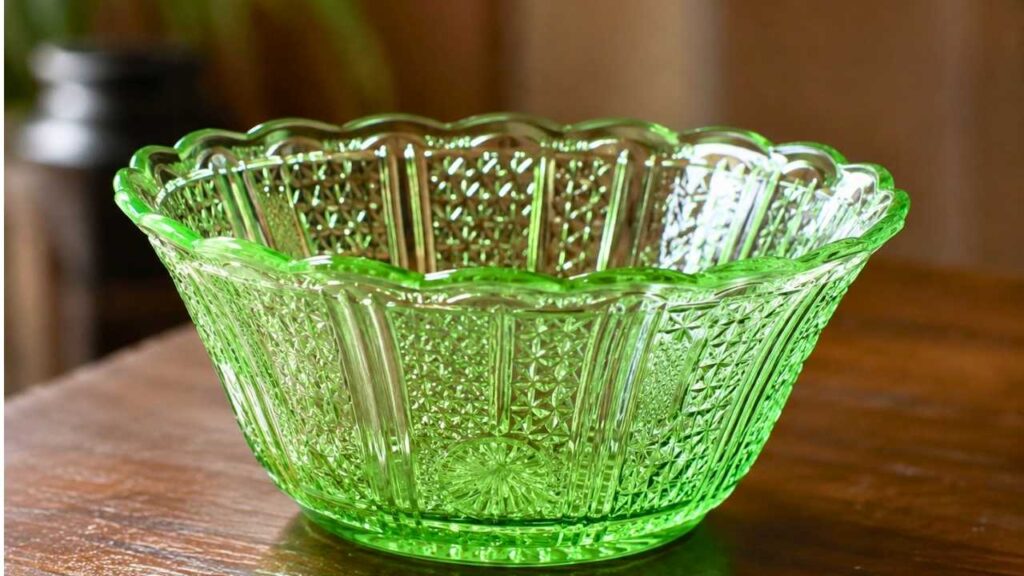
Carnival glass is molded or pressed glass that features a distinctive iridescent surface treatment. Manufacturers created the colorful finish by applying metallic salts to hot glass before firing it.

The result was a dazzling rainbow sheen that reflected light in various colors, including purple, blue, gold, green, and red.

Originally produced as an affordable alternative to expensive art glass, carnival glass became popular during the early twentieth century. It was often given away as prizes at fairs, carnivals, and promotional events, which led to its modern name.

Quick Facts About Carnival Glass

FeatureDetails
OriginEarly 1900s
Main Production Period1907–1930
MaterialPressed Glass
Surface FinishIridescent Metallic Coating
Popular ColorsMarigold, Blue, Purple, Green, Red
Common UsesBowls, Vases, Plates, Pitchers
Collector DemandHigh for Rare Patterns

The History of Carnival Glass

Carnival glass first appeared in the United States around 1907. Glass manufacturers sought to create attractive decorative items that resembled luxury art glass but could be produced at lower costs.

Several companies quickly entered the market, producing hundreds of patterns and shapes.

As tastes changed during the 1920s, demand declined significantly. Production slowed, and many patterns disappeared entirely. Today, those discontinued patterns are among the most sought-after collectibles.

The revival of interest in carnival glass began in the 1950s and continues today among collectors worldwide.

Why Carnival Glass Is So Popular

Collectors appreciate carnival glass for several reasons:

  • Vibrant iridescent colors
  • Rich history
  • Affordable entry-level collecting
  • Wide variety of patterns
  • Potential investment value
  • Beautiful display appeal

Every piece reflects light differently, making collections visually stunning.

How to Identify Genuine Carnival Glass

Proper identification is the first step in determining value.

Examine the Iridescent Surface

Authentic carnival glass displays a metallic rainbow sheen across the surface.

Look for:

  • Purple highlights
  • Gold reflections
  • Blue undertones
  • Green flashes
  • Multicolor rainbow effects

The finish should appear integrated into the glass rather than painted on.

Check the Base

The bottom often reveals important clues.

Most authentic pieces show:

  • Less iridescence on the base
  • Mold marks
  • Manufacturer characteristics
  • Signs of age

A completely iridescent base may indicate a reproduction.

Inspect the Pattern

Many carnival glass patterns are highly detailed.

Popular motifs include:

  • Flowers
  • Peacocks
  • Grapes
  • Butterflies
  • Geometric designs
  • Animals

Pattern identification is essential because rarity often depends on specific designs.

Observe the Shape

Carnival glass came in many forms:

ShapeDescription
BowlMost common
PlateDecorative serving pieces
VasePopular collector item
PitcherOften valuable
CompoteElevated serving dish
TumblerDrinking glass
BasketDecorative handle pieces

Understanding Carnival Glass Colors

Color plays a major role in value.

Marigold

Marigold is the most common carnival glass color.

Characteristics include:

  • Orange base
  • Golden iridescence
  • Easy availability

Because of its abundance, marigold pieces are often more affordable.

Blue

Blue carnival glass is highly collectible.

Collectors appreciate:

  • Deep color saturation
  • Strong iridescence
  • Relative scarcity

Purple

Purple examples often command premium prices.

The richer the purple tone, the greater the collector interest.

Green

Green carnival glass ranges from pale shades to deep emerald tones.

Rare green examples can be highly valuable.

Red

Red is among the most desirable colors.

Collectors actively seek authentic red carnival glass due to its scarcity.

Ice Blue

Ice blue pieces possess a delicate appearance and strong collector demand.

Major Carnival Glass Manufacturers

Knowing the manufacturer helps establish authenticity and value.

Fenton Art Glass

Fenton remains one of the most famous carnival glass producers.

Characteristics include:

  • Exceptional iridescence
  • Detailed patterns
  • Large production variety

Northwood Glass Company

Northwood created some of the most collectible patterns.

Known for:

  • Superior quality
  • Rare designs
  • Strong market demand

Imperial Glass Company

Imperial produced many elegant carnival glass items.

Collectors often seek:

  • Rare colors
  • Unusual shapes
  • Limited production pieces

Dugan Glass Company

Dugan pieces are recognized for their distinctive styling and craftsmanship.

Millersburg Glass Company

Millersburg produced some of the rarest carnival glass ever made.

Many pieces command substantial prices today.

Most Valuable Carnival Glass Patterns

Certain patterns consistently attract collector attention.

Peacock at the Fountain

This famous pattern features elaborate peacock imagery.

Rare examples can sell for thousands of dollars.

Grape and Cable

Collectors admire its intricate grapevine design.

Rare colors increase value significantly.

Dragon and Lotus

One of the most iconic carnival glass patterns.

Collectors compete aggressively for uncommon colors.

Singing Birds

Beautiful bird motifs make this pattern highly desirable.

Persian Medallion

Rare examples often command premium prices.

Factors That Determine Value

Several elements influence carnival glass pricing.

Rarity

The fewer examples available, the higher the value.

Color

Rare colors usually sell for more than common shades.

Pattern Popularity

Certain designs maintain strong collector demand.

Condition

Condition dramatically impacts pricing.

Collectors prefer pieces free from:

  • Chips
  • Cracks
  • Repairs
  • Heavy scratches

Size

Unusual sizes often increase desirability.

Provenance

Documented history can enhance value.

Carnival Glass Condition Grading

GradeDescription
MintNo damage
ExcellentMinor wear only
Very GoodLight surface marks
GoodNoticeable wear
FairSmall chips or defects
PoorSignificant damage

Mint-condition examples achieve the highest prices.

Rare Carnival Glass Pieces Worth Serious Money

Some pieces regularly exceed expectations at auctions.

Rare Millersburg Punch Bowls

Large punch bowl sets are among the most coveted collectibles.

Northwood Blue Peacock Pieces

These examples often generate strong bidding activity.

Red Dragon and Lotus Bowls

Exceptional rarity drives high values.

Experimental Production Colors

Limited-production colors can be extremely valuable.

Current Carnival Glass Value Ranges

The following estimates represent typical market conditions.

TypeApproximate Value
Common Bowls$20–$100
Popular Patterns$100–$500
Rare Colors$500–$2,000
Scarce Examples$2,000–$10,000
Exceptional Rarities$10,000+

Values fluctuate depending on demand and condition.

How to Avoid Reproductions

The popularity of carnival glass has led to reproductions.

Warning signs include:

  • Excessively bright finishes
  • Perfect mold details
  • Lack of wear
  • Incorrect colors
  • Suspiciously low prices

Comparing pieces with trusted reference guides can help avoid mistakes.

Where to Buy Carnival Glass

Collectors can find pieces through:

  • Antique stores
  • Estate sales
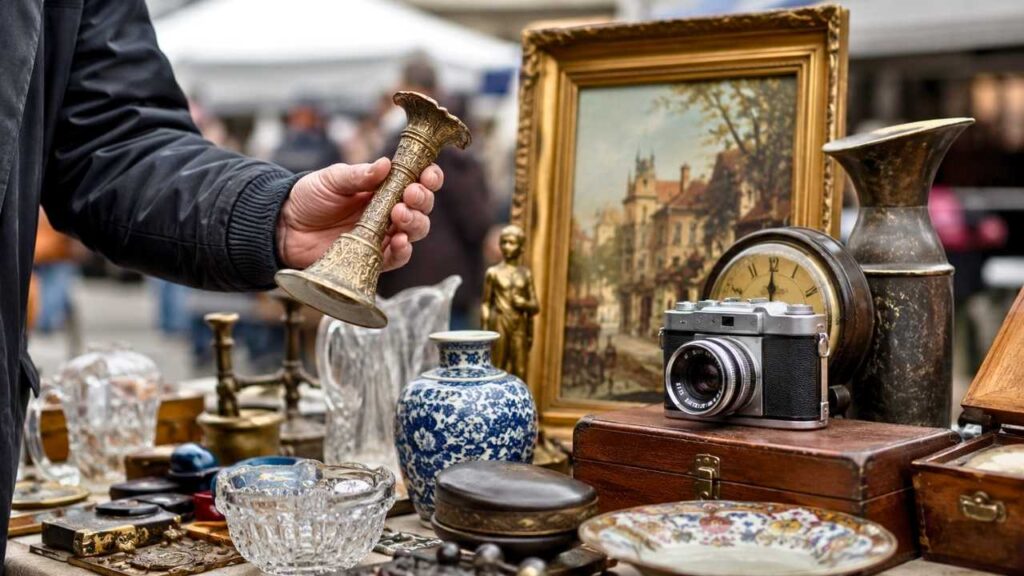
  • Flea markets
  • Auctions
  • Collector clubs
  • Online marketplaces

Research before purchasing to ensure authenticity.

Tips for New Collectors

Beginners can build valuable collections by following a few simple guidelines.

Learn Pattern Names

Knowledge reduces costly mistakes.

Buy the Best Condition You Can Afford

Quality pieces retain value more effectively.

Study Rare Colors

Color often separates common pieces from valuable examples.

Join Collector Communities

Experienced collectors provide valuable insights.

Keep Records

Document purchases, values, and photographs.

Caring for Carnival Glass

Proper care preserves beauty and value.

Cleaning Recommendations

  • Use warm water
  • Apply mild soap
  • Avoid abrasive cleaners
  • Dry with soft cloths

Storage Tips

  • Display securely
  • Avoid direct sunlight
  • Separate pieces carefully
  • Prevent accidental impacts

Key Highlights

  • Carnival glass originated in the early 1900s.
  • Iridescent surfaces are its defining feature.
  • Color, rarity, pattern, and condition determine value.
  • Rare red, blue, and green examples often command premium prices.
  • Northwood, Fenton, Millersburg, Imperial, and Dugan are leading manufacturers.
  • Exceptional pieces can sell for thousands of dollars.
  • Proper identification helps avoid reproductions.
  • Condition remains one of the biggest value factors.

Final Words

Carnival glass combines artistry, history, and collectibility in a way that few antiques can match. From common marigold bowls to exceptionally rare red and blue masterpieces, every piece tells a story of early twentieth-century craftsmanship. Whether you are a beginner collector or a seasoned enthusiast, learning how to identify patterns, evaluate condition, and recognize rare colors will help you uncover hidden treasures. With patience and knowledge, a simple glass bowl could turn out to be one of the most valuable pieces in your collection.

FAQs

How can I tell if my carnival glass is valuable?

Check the pattern, color, manufacturer, rarity, and condition. Rare colors and scarce patterns generally have higher values.

What is the rarest carnival glass color?

Red is often considered one of the rarest and most valuable carnival glass colors.

Is carnival glass still collectible today?

Yes. Carnival glass remains highly collectible, and many rare pieces continue to increase in value.

Which manufacturer made the most valuable carnival glass?

Northwood and Millersburg frequently produce some of the highest-priced carnival glass pieces.

Does damage affect value?

Yes. Chips, cracks, repairs, and heavy wear can significantly reduce market value.

Where can I get carnival glass appraised?

You can consult antique dealers, professional appraisers, auction houses, or collector organizations.

Are reproductions common?

Yes. Some popular patterns have been reproduced, making careful identification important.

Can carnival glass be used daily?

While possible, valuable antique pieces are generally best reserved for display to prevent damage.

Leave a Comment

Your email address will not be published. Required fields are marked *

Scroll to Top