Milky Green Jadeite Glassware: How to Identify Authentic Collectible Pieces and Their Value

Milky Green Jadeite Glassware: How to Identify Authentic Collectible Pieces and Their Value

Milky Green Jadeite Glassware: Milky Green Jadeite glassware has remained one of the most beloved collectibles in the vintage kitchenware world. With its distinctive opaque green color, timeless charm, and rich history, Jadeite continues to attract collectors, antique enthusiasts, and homeowners who appreciate retro-inspired décor. Whether displayed in a china cabinet, used as kitchenware, or purchased as an investment, authentic Jadeite pieces hold both sentimental and monetary value.

The popularity of Jadeite glassware has grown significantly in recent years. Vintage collectors seek rare pieces, while modern manufacturers have introduced reproductions to satisfy demand. As a result, identifying genuine Milky Green Jadeite has become more important than ever. Understanding its history, characteristics, manufacturers, and value factors can help collectors make informed purchasing decisions and avoid costly mistakes.

This comprehensive guide explores everything you need to know about Milky Green Jadeite glassware, from identification techniques and valuable patterns to pricing trends and collecting tips.

What Is Milky Green Jadeite Glassware?

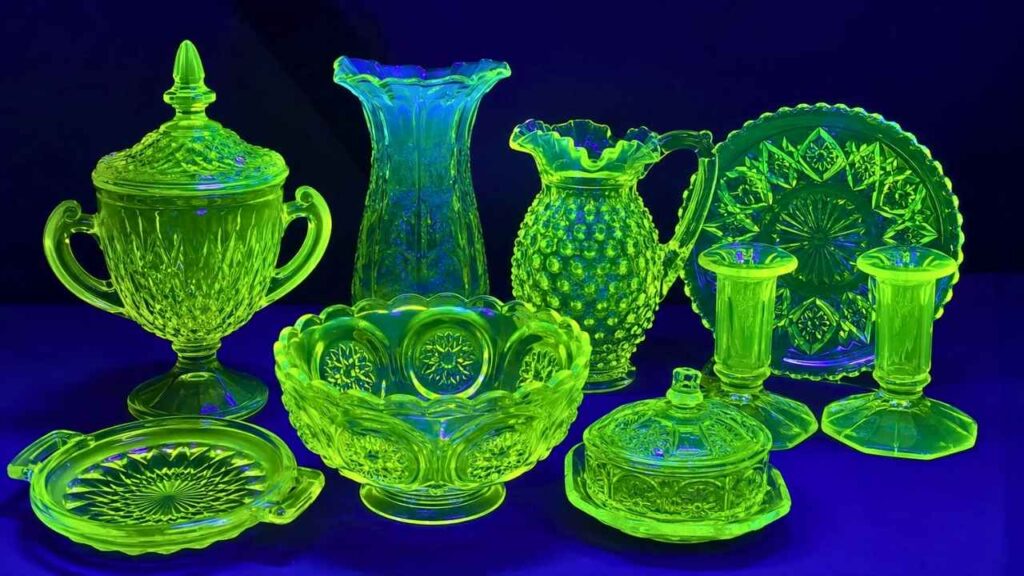
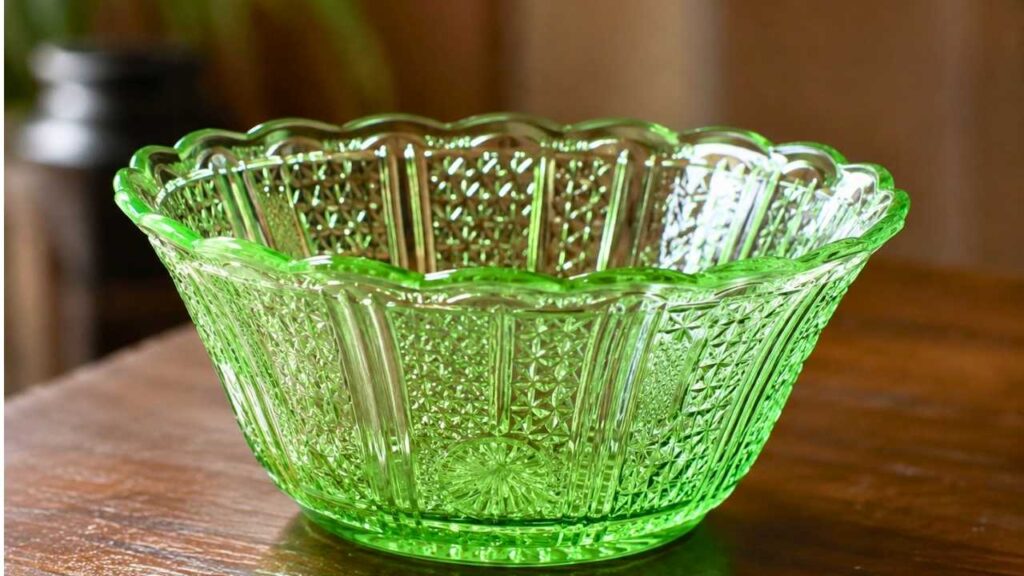
Jadeite is a type of opaque pressed glass characterized by its soft green color, often compared to the appearance of natural jade stone. The glass ranges from pale mint green to a richer milky green shade, depending on the manufacturer and production period.

Unlike transparent green glass, Jadeite has a creamy, opaque appearance that gives it a unique and recognizable look. It became especially popular during the Great Depression when affordable yet attractive household items were in high demand.

Many families used Jadeite dishes daily, while restaurants and diners relied on durable Jadeite restaurant ware because of its strength and timeless appearance.

History of Jadeite Glassware

The story of Jadeite begins during the early twentieth century when American glass manufacturers sought innovative products for households and commercial establishments.

The Great Depression Era

During the 1930s, manufacturers introduced Jadeite as part of the Depression Glass movement. Consumers appreciated affordable products that still offered beauty and style.

Mid-Century Popularity

Throughout the 1940s and 1950s, Jadeite became increasingly common in American kitchens. The rise of diners, cafés, and restaurants further boosted demand for durable Jadeite restaurant ware.

Modern Revival

The resurgence of farmhouse décor, vintage collecting, and social media has brought Jadeite back into the spotlight. Collectors now actively seek authentic pieces from earlier decades.

Major Manufacturers of Jadeite Glassware

Several companies produced Jadeite over the years. Knowing the manufacturer is one of the most effective ways to identify genuine pieces.

ManufacturerProduction PeriodNotable Products
Fire-King1940s–1970sDinnerware, mixing bowls, mugs
McKee Glass Company1930s–1950sKitchenware and storage jars
Jeannette Glass Company1930s–1950sDinnerware and household items
Anchor HockingMid-20th CenturyFire-King branded pieces
Federal Glass1940s–1970sRestaurant ware and mugs

Among these manufacturers, Fire-King remains one of the most recognized and collectible names.

Characteristics of Authentic Milky Green Jadeite

Collectors use several characteristics to determine authenticity.

Color

Authentic Jadeite displays a soft, opaque green appearance. The shade may vary slightly depending on the manufacturer.

Vintage pieces often exhibit subtle color variations rather than perfectly uniform coloring.

Opacity

True Jadeite is not transparent. When held against light, only minimal light may pass through thinner sections.

Weight

Authentic pieces generally feel heavier and sturdier than many modern reproductions.

Surface Texture

Vintage Jadeite usually has a smooth finish with slight manufacturing imperfections consistent with older production methods.

Mold Lines

Minor mold seams may be visible on authentic pieces due to the manufacturing process used during the mid-twentieth century.

How to Identify Genuine Jadeite Glassware

Correct identification requires attention to detail.

Check for Manufacturer Marks

Many authentic pieces contain markings on the bottom.

Common examples include:

MarkingManufacturer
Fire-KingAnchor Hocking
McKMcKee Glass
JeannetteJeannette Glass
FederalFederal Glass

Some genuine pieces may lack markings, making additional identification methods necessary.

Examine the Color Carefully

Modern reproductions often appear brighter, glossier, or more vibrant than vintage Jadeite.

Authentic vintage Jadeite usually has a softer, creamy appearance.

Look for Wear Patterns

Older pieces commonly show:

  • Light scratches
  • Minor utensil marks
  • Base wear
  • Age-related surface changes

A completely flawless piece may warrant further investigation.

Compare Dimensions

Collectors often compare measurements with known authentic examples to verify originality.

Common Types of Jadeite Collectibles

The Jadeite market includes many different collectible categories.

Dinner Plates

Vintage dinner plates remain among the most commonly collected items.

Mixing Bowls

Large mixing bowls often attract significant collector interest because of their practical use and visual appeal.

Coffee Mugs

Restaurant-style mugs are especially popular with collectors.

Salt and Pepper Shakers

These smaller items are frequently sought after due to their decorative appeal.

Refrigerator Dishes

Designed for food storage, these pieces remain highly collectible.

Canister Sets

Complete sets are often difficult to find and can command impressive prices.

Most Valuable Jadeite Pieces

Some Jadeite items consistently achieve higher market values.

Item TypeCollectibility Level
Restaurant WareVery High
Rare Mixing BowlsVery High
Promotional PiecesExtremely High
Complete Canister SetsHigh
Covered Butter DishesHigh
Coffee MugsModerate to High

Scarcity and condition largely determine value.

Understanding Jadeite Restaurant Ware

Restaurant ware represents one of the most desirable categories.

Produced for commercial use, these pieces were designed to withstand constant handling and frequent washing.

Characteristics include:

  • Thicker glass construction
  • Increased durability
  • Larger serving sizes
  • Consistent color quality

Collectors often pay premium prices for authentic restaurant ware due to limited surviving examples.

Rare Jadeite Patterns and Designs

Certain designs stand out in the collector market.

Swirl Pattern

Featuring elegant swirling details, these pieces remain highly collectible.

Shell Pattern

Decorative shell-inspired designs appeal to vintage enthusiasts.

Plain Restaurant Ware

Despite minimal decoration, these pieces are highly valued because of their rarity.

Promotional Designs

Special advertising and promotional items are among the hardest pieces to find.

Factors That Affect Jadeite Value

Several factors determine market prices.

Condition

Condition remains the most important value factor.

Condition GradeDescription
MintNo visible wear
ExcellentMinimal wear
Very GoodLight signs of use
GoodNoticeable wear
FairChips or cracks present

Rarity

Limited-production items naturally attract greater collector demand.

Manufacturer

Pieces from well-known manufacturers often command stronger prices.

Completeness

Complete sets generally sell for more than individual pieces.

Provenance

Documented ownership history can increase value.

How Much Is Milky Green Jadeite Worth?

Values vary widely based on rarity and condition.

ItemTypical Value Range
Mug$20–$150
Dinner Plate$15–$100
Mixing Bowl$50–$500+
Butter Dish$75–$400
Canister Set$200–$1,500+
Rare Promotional Piece$500–$5,000+

Exceptional examples may exceed these estimates.

How to Spot Reproduction Jadeite

As demand grows, reproductions continue to enter the market.

Warning signs include:

  • Extremely bright green color
  • Perfectly smooth surfaces
  • Modern labels
  • Lightweight construction
  • Inconsistent dimensions

Collectors should always compare suspected pieces with documented originals.

Where to Buy Authentic Jadeite

Reliable sources include:

  • Antique stores
  • Estate sales
  • Vintage markets
  • Specialized glassware dealers
  • Online collector marketplaces
  • Auction houses

Researching sellers before purchasing can reduce the risk of buying reproductions.

Caring for Your Jadeite Collection

Proper care helps preserve both beauty and value.

Cleaning Tips

  • Wash gently with mild soap.
  • Avoid abrasive scrubbers.
  • Rinse thoroughly.
  • Dry immediately with a soft cloth.

Storage Recommendations

  • Store pieces separately when possible.
  • Use protective padding.
  • Avoid stacking heavy items.
  • Keep away from extreme temperature changes.

Display Ideas

Many collectors display Jadeite in:

  • Vintage hutches
  • Glass cabinets
  • Open kitchen shelving
  • Farmhouse-style décor arrangements

Why Collectors Love Jadeite

The enduring appeal of Jadeite comes from its unique combination of beauty, nostalgia, and practicality.

Collectors appreciate:

  • Classic American design
  • Historical significance
  • Strong resale value
  • Decorative versatility
  • Wide variety of collectible forms

Whether displayed as artwork or used in everyday life, Jadeite continues to connect collectors with a cherished period of American history.

Tips for New Jadeite Collectors

If you are just starting your collection:

  1. Learn manufacturer markings.
  2. Study authentic examples.
  3. Purchase reference guides.
  4. Attend antique shows.
  5. Start with common pieces.
  6. Focus on condition.
  7. Buy from reputable sellers.
  8. Join collector communities.

Patience and knowledge often lead to the most rewarding collections.

Key Highlights

  • Milky Green Jadeite is an opaque green glass popular from the 1930s through the 1970s.
  • Authentic vintage Jadeite was produced by several American glass manufacturers.
  • Color, weight, markings, and craftsmanship help identify genuine pieces.
  • Rare restaurant ware and promotional items often command premium prices.
  • Condition significantly impacts collectible value.
  • Reproductions are common, making identification skills essential.
  • Certain patterns and manufacturers are highly sought after by collectors.

FAQs

What color is authentic Milky Green Jadeite?

Authentic Jadeite typically features a soft, opaque green color ranging from pale mint to deeper milky green shades.

Is all green glass Jadeite?

No. Many types of green glass exist, but true Jadeite has a distinctive opaque appearance and specific manufacturing characteristics.

Which Jadeite manufacturer is most collectible?

Fire-King is among the most popular manufacturers, though rare McKee and Jeannette pieces can be equally valuable.

Are unmarked Jadeite pieces authentic?

Yes. Some genuine pieces lack manufacturer markings. Collectors use color, shape, weight, and construction details for identification.

Does damage affect Jadeite value?

Yes. Chips, cracks, and repairs can significantly reduce collectible value.

How can I tell if Jadeite is a reproduction?

Look for unusually bright coloring, lightweight construction, modern markings, and overly perfect finishes.

Is Jadeite still being made today?

Yes. Several companies produce modern Jadeite-inspired glassware, although these items differ from vintage collectibles.

What is the rarest Jadeite item?

Rare promotional pieces, restaurant ware, and limited-production items often rank among the most valuable Jadeite collectibles.

Can Jadeite be used daily?

Many collectors use their Jadeite regularly, though valuable or fragile pieces are often reserved for display.

Is Jadeite a good investment?

Well-preserved and rare Jadeite pieces have shown strong collector demand and can appreciate in value over time.

Final Words

Milky Green Jadeite glassware remains one of the most iconic and desirable collectibles in the world of vintage kitchenware. Its distinctive color, rich history, and lasting durability have made it a favorite among collectors for generations. Understanding how to identify authentic pieces, recognize valuable manufacturers, and avoid reproductions is essential for building a meaningful collection.

Whether you are searching for a simple coffee mug, a rare mixing bowl, or a complete canister set, knowledge remains your greatest tool. By studying authentic examples and purchasing carefully, you can enjoy the beauty, history, and potential value of Milky Green Jadeite glassware for years to come.

Leave a Comment

Your email address will not be published. Required fields are marked *

Scroll to Top