Milky Green Jadeite Glassware: How to Identify Valuable Collectible Pieces in the USA

Milky Green Jadeite Glassware: How to Identify Valuable Collectible Pieces in the USA

Milky Green Jadeite Glassware: Jadeite glassware has fascinated collectors for decades, and among the various shades available, Milky Green Jadeite remains one of the most sought-after collectible glassware categories in the United States. Its soft green color, vintage charm, and rich history make it a favorite among antique enthusiasts, interior decorators, and glass collectors alike.

Whether you inherited a few pieces from family members, discovered them at a flea market, or are planning to start a collection, understanding how to identify authentic and valuable Milky Green Jadeite glassware can help you make informed decisions. Some rare pieces can sell for hundreds or even thousands of dollars, while others remain affordable collectibles.

This comprehensive guide explores the history, characteristics, identification methods, pricing factors, and tips for finding valuable Milky Green Jadeite glassware in the USA.

Understanding Milky Green Jadeite Glassware

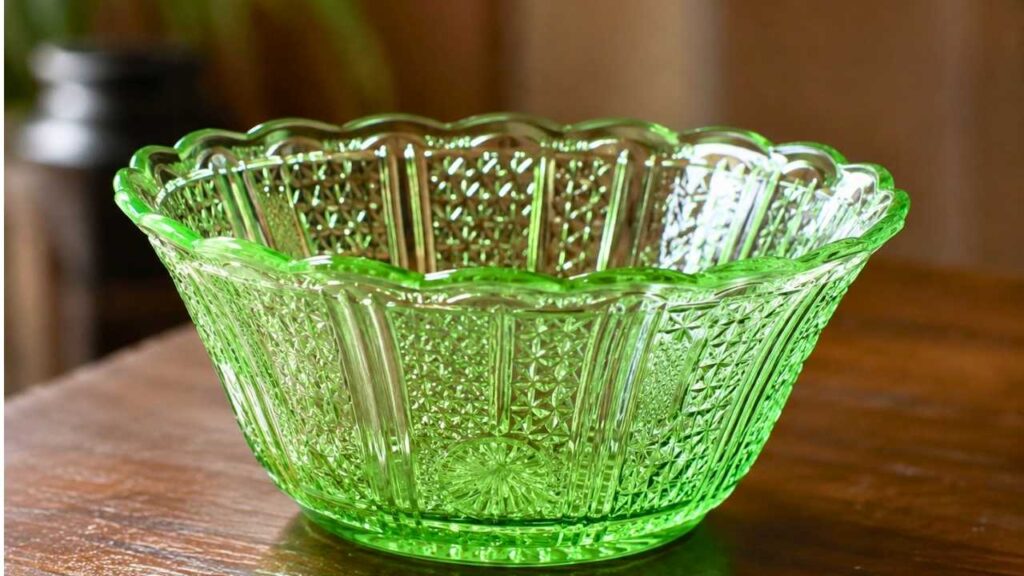
Jadeite is an opaque glass that features a smooth, creamy green appearance resembling the gemstone jade. The glass gained popularity during the early to mid-20th century and was widely used for kitchenware, tableware, and decorative items.

Unlike transparent green glass, Milky Green Jadeite has a distinctive opaque quality that creates a soft, pastel-like appearance. The unique color and durability made it a practical and attractive choice for American households.

Today, collectors appreciate Jadeite not only for its beauty but also for its historical significance and rarity.

History of Jadeite Glassware in America

Jadeite glassware became particularly popular during the 1930s, 1940s, and 1950s. During this period, several American glass manufacturers produced Jadeite kitchenware that was both affordable and stylish.

The popularity of Jadeite grew during the Great Depression when consumers sought attractive household items at reasonable prices. Companies often distributed Jadeite pieces through promotional campaigns, grocery stores, and product giveaways.

Over time, these pieces became collectibles due to their nostalgic appeal and limited availability.

Major Manufacturers of Jadeite Glassware

Understanding the manufacturer is one of the most important factors in identifying valuable Jadeite pieces.

ManufacturerProduction PeriodKnown ForCollectibility Level
McKee Glass Company1930s–1950sKitchenware and mixing bowlsHigh
Fire-King (Anchor Hocking)1940s–1970sDinnerware and mugsVery High
Jeannette Glass Company1930s–1950sDecorative kitchen itemsHigh
Federal Glass Company1930s–1970sRestaurant ware and dishesModerate to High
Hazel-Atlas1930s–1950sHousehold glasswareModerate

Collectors often pay premium prices for pieces produced by Fire-King and McKee due to their popularity and rarity.

Key Characteristics of Authentic Milky Green Jadeite

Authentic Jadeite glassware possesses several unique characteristics that distinguish it from reproductions.

Opaque Appearance

Real Jadeite glass is not transparent. It features a dense, creamy appearance that prevents light from passing through easily.

Soft Green Color

The signature color is a pale, milky green rather than a bright or dark green shade.

Smooth Surface Texture

Authentic pieces generally have a smooth, glossy finish with consistent coloration.

Substantial Weight

Older Jadeite pieces often feel heavier than modern reproductions due to thicker glass construction.

Manufacturing Marks

Many original pieces include manufacturer marks on the bottom, which can help determine authenticity and age.

How to Identify Valuable Jadeite Pieces

Not all Jadeite items carry the same value. Several factors influence market demand and collector interest.

Check the Manufacturer’s Mark

Look carefully at the underside of the item for markings such as:

  • Fire-King
  • McKee
  • Jeannette
  • Federal
  • Hazel-Atlas

Manufacturer marks can significantly increase a piece’s value.

Examine the Condition

Condition is one of the biggest pricing factors.

Collectors prefer pieces that are:

  • Free from chips
  • Free from cracks
  • Free from repairs
  • Retain original shine
  • Have minimal wear

Even rare pieces can lose substantial value if damaged.

Identify Rare Shapes and Designs

Certain shapes and designs are more difficult to find.

Examples include:

  • Mixing bowl sets
  • Restaurant ware
  • Refrigerator dishes
  • Cake stands
  • Coffee canisters
  • Salt boxes

Rare forms typically command higher prices.

Look for Complete Sets

Complete sets generally attract greater interest than individual pieces.

Collectors often seek:

  • Full dinnerware sets
  • Nesting bowl sets
  • Matching canister collections
  • Serving dish sets

Most Valuable Milky Green Jadeite Pieces

Some Jadeite items consistently rank among the most valuable collectibles.

McKee Mixing Bowls

Original McKee mixing bowls remain highly desirable due to their scarcity and iconic design.

Fire-King Restaurant Ware

Restaurant-grade Fire-King Jadeite is especially popular among collectors because of its durability and vintage appeal.

Jadeite Cake Stands

Cake stands are relatively rare and often sell for premium prices.

Salt Boxes

Wall-mounted salt boxes have become one of the most collectible Jadeite items.

Refrigerator Containers

Complete refrigerator dish sets with lids are increasingly difficult to find.

Price Guide for Common Jadeite Pieces

The following table provides approximate market values.

Item TypeAverage Value Range
Dinner Plate$20 – $75
Coffee Mug$25 – $150
Mixing Bowl$100 – $700
Salt Box$300 – $1,500+
Cake Stand$250 – $1,200+
Refrigerator Dish$75 – $600
Canister$100 – $800
Butter Dish$75 – $400

Prices vary depending on rarity, condition, and demand.

How to Spot Reproduction Jadeite

The popularity of Jadeite has led to many reproductions entering the market.

Brighter Green Color

Many reproductions use a brighter green color than authentic vintage pieces.

Lighter Weight

Modern reproductions are often lighter due to thinner glass construction.

Different Marks

Some reproductions include modern markings or lack identifying marks altogether.

Perfect Condition

While mint-condition vintage pieces do exist, unusually perfect examples should be carefully examined.

Modern Manufacturing Signs

Look for modern mold marks and finishing techniques that differ from vintage production methods.

Where to Find Valuable Jadeite in the USA

Collectors often discover valuable pieces in unexpected locations.

Antique Stores

Many antique dealers specialize in vintage kitchenware and glass collectibles.

Estate Sales

Estate sales frequently offer authentic Jadeite pieces at reasonable prices.

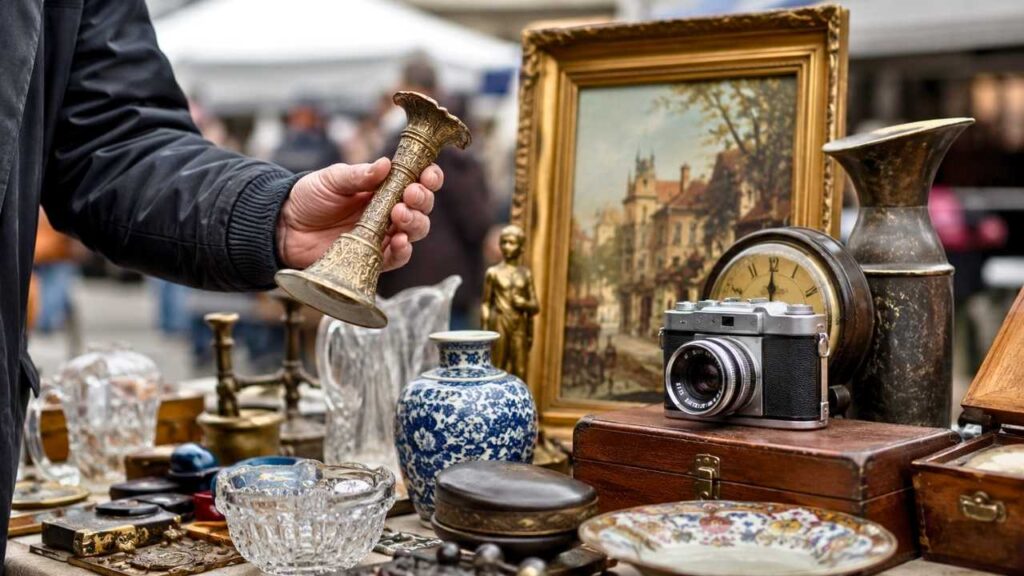
Flea Markets

Local flea markets remain excellent hunting grounds for collectors.

Online Marketplaces

Popular online platforms provide access to nationwide inventories.

Collector Shows

Glassware and antique collector events often feature rare Jadeite items.

Factors That Increase Collectible Value

Several characteristics can significantly increase value.

Rarity

The fewer pieces available, the higher the potential value.

Historical Significance

Older pieces from prominent manufacturers attract more attention.

Provenance

Items with documented ownership history may command premium prices.

Original Labels

Original stickers and labels can increase value considerably.

Matching Collections

Collectors frequently pay more for complete matching sets.

Caring for Milky Green Jadeite Glassware

Proper care helps preserve value and appearance.

Hand Wash Whenever Possible

Avoid harsh dishwashers that may cause wear over time.

Store Carefully

Use protective padding between stacked items.

Avoid Sudden Temperature Changes

Rapid heating or cooling can stress vintage glass.

Inspect Regularly

Check for developing cracks or damage.

Display Safely

Use stable shelving to prevent accidental falls.

Why Jadeite Continues to Grow in Popularity

Jadeite remains one of America’s most beloved vintage collectibles because it combines functionality, beauty, and nostalgia.

Modern farmhouse decor trends have introduced Jadeite to younger generations, creating increased demand. Social media platforms, antique television programs, and collector communities continue to drive interest in rare pieces.

As availability decreases and collector demand rises, many experts believe premium Jadeite pieces will remain desirable for years to come.

Key Highlights

  • Milky Green Jadeite is an opaque green glass highly prized by collectors.
  • Fire-King, McKee, Jeannette, Federal, and Hazel-Atlas are major manufacturers.
  • Authentic pieces feature a soft green color, substantial weight, and vintage markings.
  • Condition plays a major role in determining value.
  • Rare items such as salt boxes, cake stands, and mixing bowls can command high prices.
  • Reproductions often have brighter colors and lighter construction.
  • Estate sales, antique stores, flea markets, and collector shows are excellent sources for finding authentic pieces.
  • Proper care and storage help preserve long-term value.

Frequently Asked Questions (FAQs)

What is Milky Green Jadeite glassware?

Milky Green Jadeite is an opaque green glassware style that became popular in the United States during the 1930s through the 1950s.

How can I tell if my Jadeite is authentic?

Check for manufacturer markings, weight, color consistency, opacity, and signs of vintage production.

Which Jadeite manufacturer is the most collectible?

Fire-King and McKee are generally considered among the most collectible and valuable manufacturers.

Are all Jadeite pieces valuable?

No. Value depends on rarity, manufacturer, condition, and collector demand.

What color should authentic Jadeite be?

Authentic Jadeite usually displays a soft, milky green color rather than a bright emerald green.

Can damaged Jadeite still be valuable?

Rare pieces may retain some value despite damage, but chips and cracks typically reduce market prices significantly.

Where can I sell Jadeite glassware?

Collectors often sell through antique dealers, online marketplaces, auctions, collector forums, and antique shows.

Why are Jadeite salt boxes so expensive?

Salt boxes are relatively rare and highly desirable among collectors, leading to strong market demand.

Final Words

Milky Green Jadeite glassware continues to hold a special place in the world of vintage collectibles. Its timeless beauty, historical significance, and growing popularity make it an attractive option for both new and experienced collectors. Learning how to identify authentic pieces, recognize valuable manufacturers, and distinguish originals from reproductions can help you build a collection with confidence. Whether you’re searching flea markets, browsing estate sales, or evaluating family heirlooms, understanding the characteristics of genuine Jadeite can reveal hidden treasures and potentially valuable investments. As interest in vintage American kitchenware continues to rise, well-preserved Milky Green Jadeite pieces are likely to remain cherished collectibles for generations to come.

Leave a Comment

Your email address will not be published. Required fields are marked *

Scroll to Top