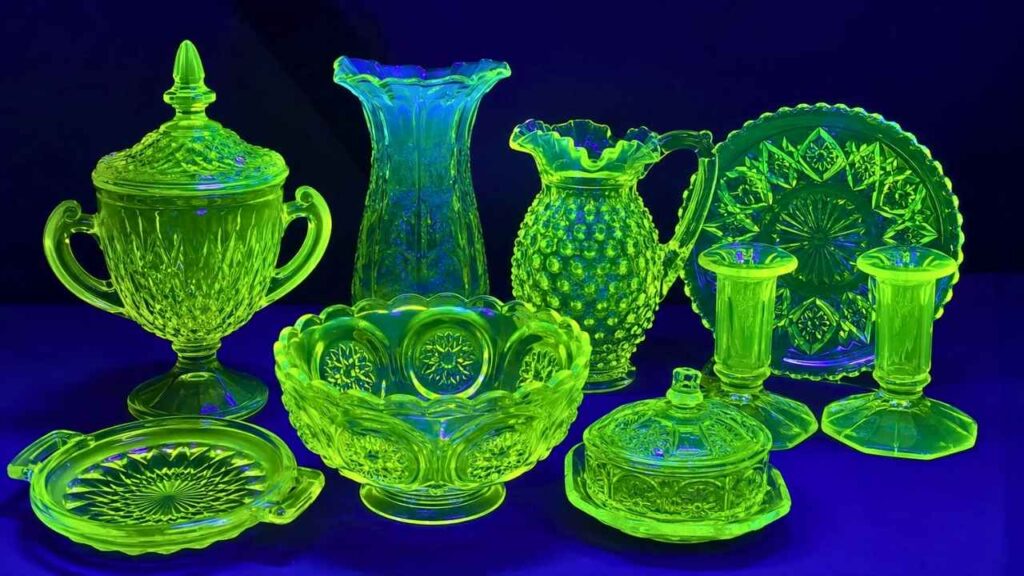
Hobnail Glass Value Guide: Hobnail glass has captivated collectors for generations with its distinctive raised pattern, elegant appearance, and rich history. Whether displayed in a vintage china cabinet, used as decorative home décor, or carefully preserved as an investment piece, hobnail glass remains one of the most recognizable and collectible forms of decorative glassware.
From classic milk glass designs to rare colored examples produced by renowned manufacturers, hobnail glass offers something for every collector. While many pieces remain affordable, certain rare colors, limited-production items, and pieces made by famous manufacturers can command impressive prices in today’s collectibles market.
Understanding the value of hobnail glass requires knowledge of its history, makers, colors, patterns, rarity, and current market demand. This guide explores everything collectors need to know about identifying valuable hobnail glass pieces and determining their worth.
Key Highlights
| Topic | Details |
|---|---|
| Most Popular Type | Milk glass hobnail |
| Famous Manufacturers | Fenton, Westmoreland, Imperial, Duncan Miller |
| Rarest Colors | Red, Black, Turquoise, Purple |
| Highest Value Factors | Condition, rarity, color, maker, age |
| Common Collectible Items | Vases, bowls, lamps, baskets, compotes |
| Investment Potential | Strong for rare colors and signed pieces |
| Peak Production Era | 1930s–1970s |
| Best Beginner Choice | White milk glass hobnail pieces |
What Is Hobnail Glass?
Hobnail glass refers to glassware decorated with a pattern of raised bumps or knobs arranged in uniform rows. These rounded protrusions create a textured surface that gives the glass its unique visual appeal and tactile feel.
The term “hobnail” originally referred to the metal studs used in old work boots. Glass manufacturers borrowed the name because the raised pattern resembled these rounded nail heads.
Hobnail designs appear in numerous glass types, including:
- Milk glass
- Carnival glass
- Depression glass
- Colored art glass
- Decorative tableware
- Lamps and lighting fixtures
Although many companies produced hobnail glass, some manufacturers became particularly famous for their quality and craftsmanship.
The History of Hobnail Glass
Decorative glass featuring raised patterns dates back centuries, but hobnail glass became especially popular in the United States during the early twentieth century.
The Great Depression encouraged manufacturers to create attractive yet affordable decorative items. Hobnail patterns provided visual interest without significantly increasing production costs.
Popularity exploded after World War II as American households embraced decorative glassware. Throughout the 1940s, 1950s, and 1960s, hobnail glass became a staple in homes across the country.
Today, collectors seek vintage examples because they represent both artistic craftsmanship and nostalgic Americana.
Famous Hobnail Glass Makers
Fenton Art Glass Company
Fenton is arguably the most famous hobnail glass manufacturer.
Founded in 1905, Fenton produced a vast range of hobnail pieces, including:
- Vases
- Baskets
- Epergnes
- Lamps
- Compotes
- Pitchers
Collectors especially value Fenton’s colored hobnail glass because many shades were produced in limited quantities.
Popular Fenton colors include:
- Cranberry
- Blue Opalescent
- Green Opalescent
- Pink
- Amber
- Red
Signed Fenton pieces often command premium prices.
Westmoreland Glass Company
Westmoreland became famous for its milk glass hobnail production.
Its high-quality white hobnail pieces remain among the most recognizable examples in the market.
Popular items include:
- Covered dishes
- Candy containers
- Footed bowls
- Decorative baskets
Pieces featuring the Westmoreland mark generally attract stronger collector interest.
Imperial Glass Company

Imperial produced elegant hobnail glass in both clear and colored varieties.
Collectors often seek:
- Candle holders
- Bowls
- Decorative centerpieces
- Carnival glass hobnail items
Rare Imperial colors can significantly increase value.
Duncan Miller
Although not exclusively known for hobnail patterns, Duncan Miller produced several highly collectible hobnail-inspired designs.
Its glass is admired for quality craftsmanship and elegant styling.
Understanding Hobnail Glass Colors
Color plays a major role in determining value.
White Milk Glass
White milk glass remains the most common variety.
Advantages include:
- Widely available
- Affordable
- Easy to collect
- Strong decorative appeal
Most beginner collectors start with milk glass.
Pink Hobnail Glass
Pink glass remains highly desirable because of its vintage charm.
Popular among collectors seeking feminine and romantic décor, pink hobnail pieces often sell for more than white examples.
Blue Hobnail Glass
Blue glass attracts consistent demand.
Collectors particularly seek:
- Aqua blue
- Sapphire blue
- Blue opalescent
Rare shades can command substantial premiums.
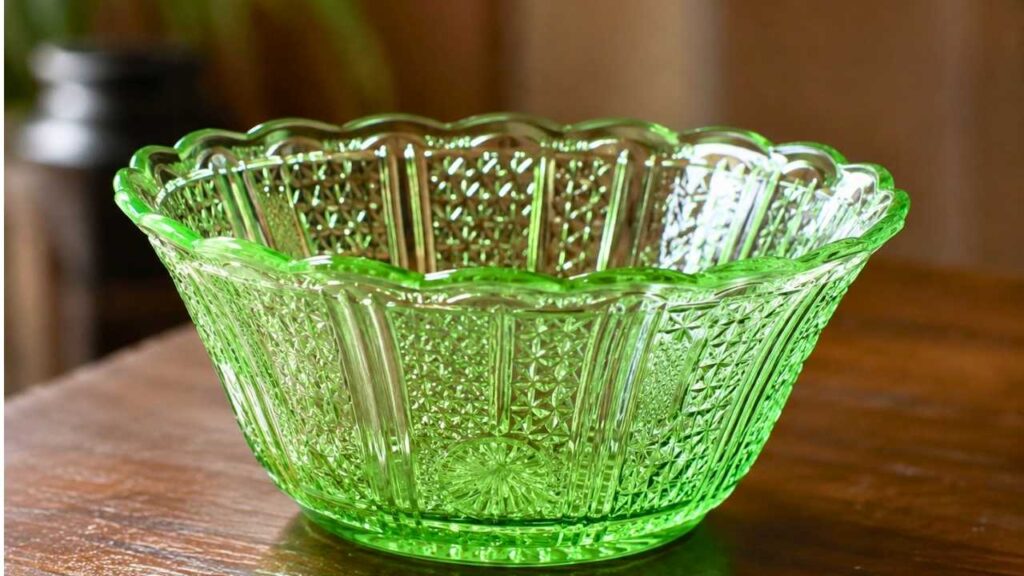
Green Hobnail Glass
Green hobnail glass ranges from soft pastel shades to rich emerald tones.
Limited-production green pieces tend to attract serious collectors.
Amber Hobnail Glass
Amber glass offers warm golden hues and vintage appeal.
Many collectors appreciate amber hobnail for autumn-themed displays.
Red Hobnail Glass
Red hobnail glass ranks among the most valuable categories.
Production costs made red glass difficult to manufacture, resulting in smaller quantities and greater rarity.
Black Hobnail Glass
Black hobnail pieces are exceptionally scarce.
Collectors often compete aggressively for authentic examples in excellent condition.
Rare Colors That Command Premium Prices
| Color | Rarity Level | Collector Demand |
|---|---|---|
| Black | Extremely Rare | Very High |
| Red | Very Rare | Very High |
| Purple | Rare | High |
| Turquoise | Rare | High |
| Blue Opalescent | Rare | High |
| Cranberry | Rare | High |
| Green Opalescent | Uncommon | Moderate to High |
| Pink | Uncommon | Moderate |
Most Valuable Hobnail Glass Pieces
Certain categories consistently attract strong collector interest.
Large Epergnes
Epergnes are elaborate decorative centerpieces often featuring multiple horns or branches.
Because of their complexity and fragility, surviving examples are relatively scarce.
Limited Edition Fenton Pieces
Limited-production Fenton items often achieve some of the highest prices in the hobby.
Collectors particularly value:
- Signed examples
- Special anniversary editions
- Experimental colors
Rare Lamps

Vintage hobnail lamps remain highly desirable.
Original lamps with matching shades frequently sell for significantly more than incomplete examples.
Covered Candy Dishes
Decorative covered dishes remain collector favorites because they combine beauty with practicality.
Rare colors can dramatically increase value.
Large Floor Vases
Oversized vases generally command higher prices due to their visual impact and lower survival rates.
Factors That Determine Value
Manufacturer
Well-known makers generally bring stronger prices.
Fenton and Westmoreland often lead the market.
Color
Rare colors consistently outperform common shades.
Condition
Collectors prefer pieces free from:
- Chips
- Cracks
- Repairs
- Cloudiness
- Significant scratches
Size
Larger pieces frequently command higher prices.
Rarity
Limited production numbers increase collector demand.
Original Labels and Signatures
Original stickers, labels, and signatures help authenticate pieces and improve value.
Average Hobnail Glass Values
| Item Type | Typical Value Range |
|---|---|
| Small Vase | $20–$80 |
| Medium Vase | $50–$150 |
| Basket | $40–$200 |
| Covered Dish | $30–$250 |
| Lamp | $100–$800 |
| Rare Colored Vase | $150–$1,500+ |
| Epergne | $300–$3,000+ |
| Signed Limited Edition Piece | $200–$2,500+ |
Actual values vary depending on condition, rarity, and market demand.
How to Identify Authentic Hobnail Glass

Authentication is crucial when purchasing collectible pieces.
Look for:
Manufacturer Marks
Common markings include:
- Fenton logos
- Westmoreland WG marks
- Imperial trademarks
Mold Quality
Authentic vintage glass typically displays:
- Sharp detailing
- Consistent patterning
- High-quality finishing
Weight and Feel
Older glass often feels heavier than modern reproductions.
Color Consistency
Vintage colors generally display richer tones than many contemporary reproductions.
Common Reproductions and How to Spot Them
The popularity of hobnail glass has led to numerous reproductions.
Warning signs include:
- Rough mold seams
- Lightweight construction
- Modern stickers
- Poorly formed hobnail patterns
- Unusual color combinations
Comparing suspected pieces with documented originals can help avoid mistakes.
Best Places to Buy Hobnail Glass
Collectors can find quality pieces through:
Antique Stores
Local antique shops often carry vintage glassware.
Estate Sales
Estate sales frequently provide opportunities to discover rare items at reasonable prices.
Antique Malls
Large antique malls offer extensive selections.
Auctions
Specialized auctions may feature high-end collectible pieces.
Online Marketplaces
Online platforms provide access to collectors worldwide.
Always review photographs carefully before purchasing.
Caring for Your Hobnail Glass Collection
Proper care protects both beauty and value.
Cleaning Tips
Use:
- Warm water
- Mild soap
- Soft cloths
Avoid abrasive materials.
Storage Recommendations
Store pieces:
- Away from direct sunlight
- In stable temperatures
- On padded shelving
Handling Advice
Always support larger pieces with both hands.
Never lift baskets or epergnes by delicate handles.
Building a Valuable Collection
New collectors often benefit from focusing on one category.
Examples include:
- Milk glass only
- Fenton colors
- Lamps
- Baskets
- Rare colors
A focused approach often results in a stronger and more valuable collection.
Future Outlook for Hobnail Glass Collecting
Interest in vintage home décor continues to support hobnail glass demand.
Several trends favor collectors:
- Growing appreciation for mid-century décor
- Rising interest in handcrafted items
- Increased online collector communities
- Limited supply of high-quality vintage examples
Rare colors and documented pieces from major manufacturers appear particularly well positioned for long-term collector interest.
FAQs
What is the most valuable hobnail glass color?
Black and red hobnail glass generally rank among the most valuable colors due to their rarity and strong collector demand.
Which company made the best hobnail glass?
Many collectors consider Fenton Art Glass Company the most important and influential hobnail glass manufacturer.
How can I tell if my hobnail glass is vintage?
Check for manufacturer marks, quality craftsmanship, weight, color consistency, and signs of age. Comparing your piece with documented examples can also help.
Is milk glass hobnail valuable?
Yes. While common examples remain affordable, rare forms, unusual shapes, and pieces in excellent condition can be quite valuable.
Are hobnail glass lamps collectible?
Absolutely. Original lamps with matching shades often command strong prices among collectors.
Does color affect value?
Yes. Rare colors such as black, red, cranberry, turquoise, and blue opalescent usually bring higher prices than standard white milk glass.
Where can I sell hobnail glass?
Collectors often sell through antique dealers, auctions, estate sales, collector groups, and online marketplaces.
Is hobnail glass still being made?
Some manufacturers continue producing hobnail-inspired glass, but vintage examples remain the most sought-after by collectors.
Final Words
Hobnail glass continues to hold a special place in the world of antiques and collectibles. Its distinctive texture, elegant appearance, and rich manufacturing history make it appealing to both beginning collectors and seasoned enthusiasts. While common milk glass pieces offer an affordable entry point, rare colors such as black, red, cranberry, and blue opalescent can command impressive prices and become the centerpiece of a serious collection.
Understanding the role of manufacturers like Fenton, Westmoreland, Imperial, and Duncan Miller is essential for identifying valuable examples. Condition, rarity, size, provenance, and color all contribute significantly to market value. Whether your goal is decorating a home, preserving family heirlooms, or building an investment-worthy collection, hobnail glass offers endless opportunities for discovery and enjoyment.
As interest in vintage décor and handcrafted collectibles continues to grow, well-preserved hobnail glass remains one of the most charming and enduring segments of the antique glass market. Careful research, proper storage, and informed buying decisions can help collectors build a collection that is both beautiful and potentially valuable for years to come.