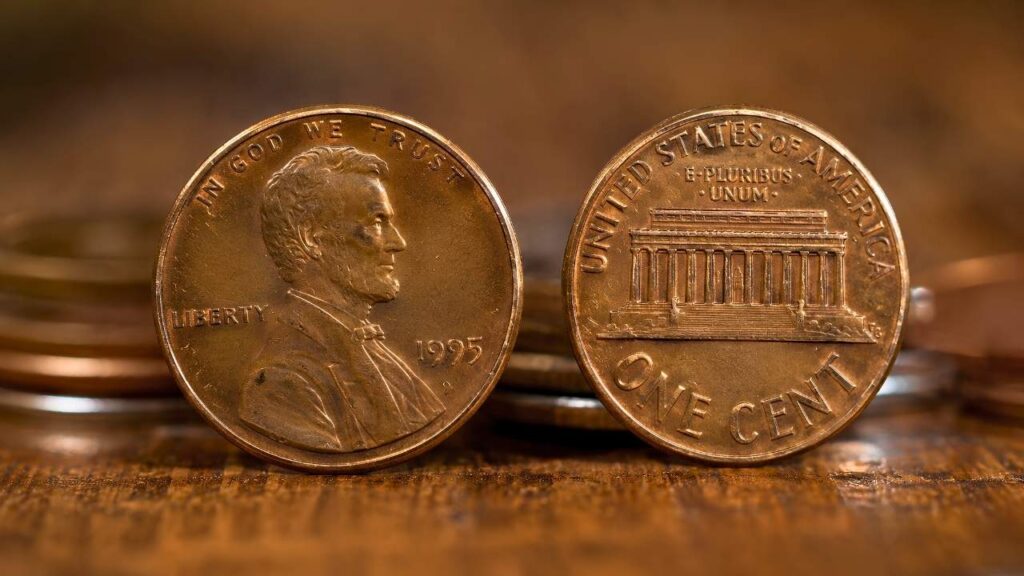
1982 Lincoln Penny Value Guide: The 1982 Lincoln penny is one of the most fascinating modern coins in American numismatics. While millions of these pennies were produced, certain varieties have become highly desirable among collectors due to their rarity, unique characteristics, and significant market value. What makes the 1982 penny especially interesting is that it was a transition year for the United States Mint. During this period, the composition of the penny changed from primarily copper to a zinc-based core, creating several different varieties that collectors actively search for today.
Among these varieties, the Small Date versions and rare mint errors have attracted considerable attention. Some examples have sold for hundreds, thousands, and even tens of thousands of dollars depending on condition, rarity, and specific characteristics. Many people unknowingly have these coins sitting in jars, drawers, or old collections without realizing their potential worth.
In this comprehensive guide, we’ll explore the history of the 1982 Lincoln penny, identify the different varieties, examine valuable mint errors, and explain how much these coins are worth in today’s market.
Why the 1982 Lincoln Penny Is Special
The year 1982 marked a significant turning point in United States coin production. Rising copper prices made it increasingly expensive for the Mint to manufacture pennies using the traditional copper composition.
Before 1982, Lincoln cents were composed primarily of copper. However, during 1982, the Mint transitioned to a copper-plated zinc composition. This change resulted in multiple combinations of coin varieties being struck throughout the year.
As a result, collectors recognize eight major varieties of 1982 Lincoln cents. These include differences in:
- Mint location
- Date style
- Metal composition
This unusual combination of factors makes 1982 one of the most collected Lincoln cent years.
Overview of the Eight Major 1982 Penny Varieties
| Variety | Mint Mark | Date Type | Composition |
|---|---|---|---|
| 1982 Large Date | None | Large Date | Copper |
| 1982 Small Date | None | Small Date | Copper |
| 1982 Large Date | None | Large Date | Zinc |
| 1982 Small Date | None | Small Date | Zinc |
| 1982-D Large Date | D | Large Date | Copper |
| 1982-D Large Date | D | Large Date | Zinc |
| 1982-D Small Date | D | Small Date | Zinc |
| 1982-D Small Date | D | Small Date | Copper (Rare) |
Among all these varieties, the 1982-D Small Date Copper Penny is considered one of the most valuable and famous modern Lincoln cents.
Understanding the Small Date Variety
The Small Date variety differs from the Large Date variety in subtle but noticeable ways.
Collectors typically examine:
- The shape of the number “2”
- The spacing of the date
- The overall appearance of the numerals
On the Small Date version:
- The “8” appears more delicate
- The “2” has a sharper curve
- The numbers appear more evenly aligned
The Large Date version has thicker and more prominent numerals.
Learning to distinguish these differences is essential because value can vary dramatically between varieties.
How to Identify Copper and Zinc Pennies
One of the easiest ways to determine composition is by weighing the coin.
| Composition | Weight |
|---|---|
| Copper | 3.11 grams |
| Zinc | 2.50 grams |
A digital scale capable of measuring to hundredths of a gram is recommended.
Copper pennies are noticeably heavier than zinc examples. This simple test can help collectors identify potentially valuable varieties.
The Famous 1982-D Small Date Copper Penny
The 1982-D Small Date Copper Penny is considered one of the greatest modern coin discoveries.
For many years, experts believed this coin did not exist. According to Mint records, Denver Small Date pennies should have been struck only on zinc planchets.
However, several examples have been discovered on copper planchets.
These coins are exceptionally rare and highly sought after.
Why It Is Valuable
The rarity stems from the fact that only a handful of confirmed examples are known.
Because of this scarcity, collectors are willing to pay substantial premiums for authenticated specimens.
1982-D Small Date Copper Penny Values

| Grade | Estimated Value |
|---|---|
| Fine | $5,000 – $10,000 |
| Extremely Fine | $10,000 – $15,000 |
| About Uncirculated | $15,000 – $20,000 |
| Mint State | $20,000 – $30,000+ |
Exceptional examples have sold for significantly higher amounts at major auctions.
Regular 1982 Small Date Penny Values
Most Small Date pennies are not extremely rare, but condition greatly affects value.
| Variety | Circulated Value | Mint State Value |
|---|---|---|
| 1982 Small Date Copper | $1 – $15 | $25 – $150 |
| 1982 Small Date Zinc | Face Value – $2 | $10 – $100 |
| 1982-D Small Date Zinc | Face Value – $5 | $20 – $200 |
Higher-grade examples can command stronger prices.
Rare 1982 Penny Mint Errors
Error coins are among the most exciting discoveries for collectors.
Several types of 1982 penny errors can be valuable.
Double Die Errors
Double die errors occur when design elements are impressed multiple times at slightly different angles.
Signs include:
- Doubled letters
- Doubled numbers
- Extra outlines around text
Value Range:
| Condition | Value |
|---|---|
| Circulated | $50 – $300 |
| Mint State | $500 – $2,000+ |
Off-Center Strikes
An off-center strike happens when the blank planchet is improperly positioned during minting.
Coins showing 10% to 50% off-center strikes are particularly desirable.
| Off-Center Percentage | Value |
|---|---|
| 10% | $20 – $100 |
| 25% | $50 – $250 |
| 50% | $100 – $1,000+ |
Broadstrike Errors
Broadstrikes occur when a coin is struck without the retaining collar.
Characteristics include:
- Larger diameter
- Distorted rim
- Expanded appearance
Value generally ranges from $25 to $250.
Clipped Planchet Errors
A clipped planchet results when part of the metal blank is missing before striking.
These errors can be:
- Straight clips
- Curved clips
- Ragged clips
Value Range:
| Error Size | Value |
|---|---|
| Small Clip | $10 – $50 |
| Medium Clip | $50 – $150 |
| Large Clip | $150 – $500+ |
Die Crack Errors
Die cracks occur when the minting die develops fractures.
The resulting coins show raised lines across the design.
While minor cracks may carry small premiums, dramatic examples can sell for $50 to several hundred dollars.
Filled Die Errors
Filled dies occur when debris blocks part of the die design.
This can cause:
- Missing letters
- Weak numbers
- Incomplete features
Collectors often pay $10 to $200 depending on severity.
What Makes a 1982 Penny Valuable?

Several factors determine market value.
Rarity
The fewer examples known, the higher the demand.
Condition
Coins with minimal wear generally command higher prices.
Mint Error Significance
Major mint errors are worth substantially more than minor ones.
Professional Grading
Certified coins from major grading services often sell for stronger prices because buyers trust their authenticity.
How to Check Your 1982 Penny
Follow these steps:
- Look for a mint mark.
- Identify Small Date or Large Date.
- Weigh the coin.
- Inspect for errors.
- Compare with reference images.
- Consider professional authentication.
Best Tools for Examining Pennies
| Tool | Purpose |
|---|---|
| Digital Scale | Determine composition |
| Magnifying Glass | View details |
| Coin Loupe | Detect errors |
| LED Lighting | Improve visibility |
| Coin Holder | Protect condition |
These tools can help collectors accurately identify valuable varieties.
Record Auction Sales
Several 1982 pennies have achieved impressive auction results.
Rare authenticated examples of the 1982-D Small Date Copper Penny have sold for tens of thousands of dollars.
Such sales continue to fuel interest in searching rolls and collections for undiscovered specimens.
Are 1982 Pennies Still Found in Circulation?

Yes.
Although uncommon, collectors occasionally discover valuable varieties in:
- Coin rolls
- Bank boxes
- Estate collections
- Old jars
- Piggy banks
This possibility keeps the hunt exciting for both beginners and experienced collectors.
Tips for Collectors
- Never clean coins.
- Store coins in protective holders.
- Use accurate scales.
- Learn date diagnostics.
- Verify rare finds professionally.
- Keep detailed records of discoveries.
Following these practices helps preserve value and avoid costly mistakes.
Key Highlights
- 1982 was the transition year from copper to zinc pennies.
- Eight major varieties exist.
- Small Date pennies are highly collectible.
- The 1982-D Small Date Copper Penny is the most valuable variety.
- Weight testing is the easiest way to identify composition.
- Rare mint errors can significantly increase value.
- High-grade certified examples command premium prices.
- Some rare specimens have sold for thousands of dollars.
FAQs
How can I tell if my 1982 penny is copper or zinc?
Use a digital scale. Copper pennies weigh approximately 3.11 grams, while zinc pennies weigh about 2.50 grams.
What is the rarest 1982 penny?
The 1982-D Small Date Copper Penny is widely considered the rarest and most valuable variety.
How much is a 1982 Small Date penny worth?
Most examples range from a few cents to several hundred dollars depending on composition and condition. Rare varieties can be worth thousands.
Are all 1982 Small Date pennies valuable?
No. Value depends on rarity, composition, condition, and whether the coin contains mint errors.
Should I clean my 1982 penny before selling it?
No. Cleaning often reduces value because collectors prefer original surfaces.
What weight should a copper 1982 penny have?
A genuine copper example should weigh approximately 3.11 grams.
Can I still find valuable 1982 pennies in circulation?
Yes. Although uncommon, collectors occasionally discover valuable examples in circulation and old collections.
Where should I authenticate a rare 1982 penny?
Professional grading companies are the best option for authentication and grading.
Final Words
The 1982 Lincoln penny remains one of the most intriguing modern U.S. coins because of its unique transition from copper to zinc production. This single year produced multiple varieties that continue to attract collectors worldwide. While many 1982 pennies are worth only face value, certain Small Date varieties, rare composition combinations, and dramatic mint errors can be worth hundreds or even thousands of dollars.
Whether you’re an experienced numismatist or someone checking spare change at home, understanding the differences between the 1982 penny varieties can help you identify hidden treasures. With careful examination, proper weighing, and attention to detail, you may discover that an ordinary-looking penny is actually a highly valuable collectible.