1942 Lincoln Wheat Penny Value Guide: The 1942 Lincoln Wheat Penny is one of the most collected coins in American numismatic history. While millions of these pennies were produced during World War II, certain mint marks, high-grade examples, and rare error coins can be worth far more than their face value. Many collectors and coin enthusiasts search through old coin jars, inherited collections, and pocket change hoping to find a valuable 1942 Wheat Penny.
The Lincoln Wheat Penny series remains popular because of its rich history, beautiful design, and the possibility of discovering rare and valuable varieties. Although most 1942 pennies are common, some exceptional examples have sold for hundreds or even thousands of dollars.
In this detailed value guide, we’ll explore the history of the 1942 Lincoln Wheat Penny, its mint marks, current market values, rare errors, grading factors, and tips for determining whether your coin could be worth a significant amount.
History of the 1942 Lincoln Wheat Penny
The Lincoln Wheat Penny was first introduced in 1909 to commemorate the 100th anniversary of Abraham Lincoln’s birth. Designed by Victor David Brenner, it became the first regular-issue U.S. coin to feature a real historical figure.
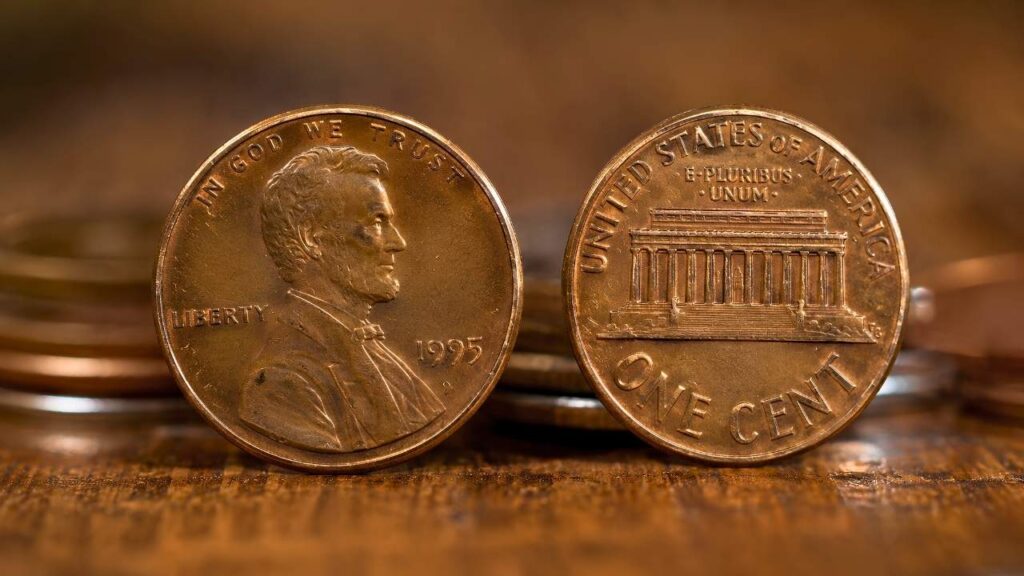
The obverse of the coin features a portrait of Abraham Lincoln, while the reverse displays two wheat stalks surrounding the denomination “ONE CENT.” This reverse design remained in circulation until 1958.
The 1942 Wheat Penny was minted during a crucial period in American history. The United States had entered World War II, and the demand for strategic metals was increasing. The following year, in 1943, the U.S. Mint switched from copper pennies to zinc-coated steel cents to conserve copper for wartime needs.
As a result, the 1942 Lincoln Wheat Penny represents the final full year of traditional bronze cent production before the famous 1943 steel cent was introduced.
Specifications of the 1942 Lincoln Wheat Penny
| Specification | Details |
|---|---|
| Country | United States |
| Year | 1942 |
| Denomination | One Cent |
| Composition | 95% Copper, 5% Tin and Zinc |
| Weight | 3.11 Grams |
| Diameter | 19.05 mm |
| Edge | Plain |
| Designer | Victor D. Brenner |
| Reverse Design | Wheat Ears |
| Minted Years | 1909-1958 |
Mint Marks Found on 1942 Wheat Pennies
The 1942 Lincoln Wheat Penny was produced at three different U.S. Mint facilities.
| Mint Location | Mint Mark | Mintage |
|---|---|---|
| Philadelphia | No Mint Mark | 657,796,000 |
| Denver | D | 206,698,000 |
| San Francisco | S | 85,590,000 |
Coins from Philadelphia carry no mint mark, while Denver and San Francisco coins feature a small “D” or “S” below the date.
Although all three varieties are relatively common, collectors often pay premiums for high-grade examples and rare errors.
How to Identify a 1942 Wheat Penny
Identifying a 1942 Wheat Penny is simple.
Look at the front (obverse) of the coin. The date “1942” appears to the right of Lincoln’s portrait.
If there is:
- No mint mark beneath the date, the coin was struck in Philadelphia.
- A “D” beneath the date, it was minted in Denver.
- An “S” beneath the date, it was minted in San Francisco.
The reverse side features the words “ONE CENT” and “UNITED STATES OF AMERICA” surrounded by two wheat ears.
1942 Lincoln Wheat Penny Value Chart

The value of a 1942 Wheat Penny depends primarily on condition, rarity, and collector demand.
| Condition | No Mint Mark | 1942-D | 1942-S |
|---|---|---|---|
| Good (G-4) | $0.15 – $0.50 | $0.20 – $0.60 | $0.25 – $0.75 |
| Fine (F-12) | $0.30 – $1 | $0.40 – $1.25 | $0.50 – $1.50 |
| Extremely Fine (EF-40) | $1 – $3 | $1 – $4 | $2 – $5 |
| Uncirculated (MS-60) | $5 – $15 | $6 – $18 | $8 – $25 |
| Gem MS-65 | $25 – $100+ | $30 – $150+ | $40 – $200+ |
Actual market prices may vary depending on demand and certification status.
Why Some 1942 Pennies Are Worth More
Most 1942 pennies circulated heavily for decades. Coins that survived in mint condition are much scarcer today.
Several factors can increase value:
- Exceptional preservation
- Original red copper color
- Rare mint errors
- Professional grading certification
- Strong collector demand
The finest known examples often command substantial premiums at auction.
Understanding Coin Color Designations
Copper coins are graded not only by wear but also by color.
Brown (BN)
These coins have mostly darkened over time and are generally worth the least.
Red-Brown (RB)
These coins retain some original mint color mixed with brown toning.
Red (RD)
Red coins retain most of their original mint luster and are typically the most valuable.
A 1942 Wheat Penny graded MS-67 Red can be worth hundreds or even thousands of dollars depending on rarity and market conditions.
Rare 1942 Wheat Penny Errors
Error coins are among the most exciting discoveries for collectors.
1942 Doubled Die Obverse Penny
A doubled die occurs when the coin die receives multiple misaligned impressions during production.
Signs include:
- Doubling on the date
- Doubling in lettering
- Strong separation of design elements
Well-preserved examples can command significant premiums.
1942 Off-Center Strike

An off-center strike occurs when the coin blank is improperly positioned during striking.
Values depend on:
- Percentage off-center
- Visibility of the date
- Overall condition
Examples can sell for $20 to several hundred dollars.
1942 Die Crack Error
Die cracks appear as raised lines on the coin caused by damaged dies.
Major die crack examples are often sought by error collectors.
1942 Clipped Planchet Error
A clipped planchet results when part of the metal blank is missing before striking.
These unusual coins often bring strong collector interest.
1942 Repunched Mint Mark
Repunched mint marks occur when mint marks were punched more than once into a die.
Collectors carefully examine Denver and San Francisco coins for these varieties.
Most Valuable 1942 Wheat Pennies Ever Sold
While ordinary examples are inexpensive, exceptional coins can achieve remarkable auction prices.
| Coin Type | Grade | Approximate Value |
|---|---|---|
| 1942 No Mint Mark RD | MS-67+ | $5,000+ |
| 1942-D RD | MS-67 | $3,000+ |
| 1942-S RD | MS-67 | $7,000+ |
| Major Error Varieties | Various | Hundreds to Thousands |
Premium prices are typically paid for certified coins with exceptional eye appeal.
How Coin Grading Affects Value
Coin grading is one of the most important factors in determining worth.
Good (G)
Heavy wear with major details visible.
Fine (F)
Moderate wear with stronger details.
Extremely Fine (EF)
Light wear with most design elements sharp.
About Uncirculated (AU)
Very slight wear visible only on high points.
Mint State (MS)
No wear from circulation.
Higher Mint State grades generally bring exponentially higher prices.
Should You Clean a 1942 Wheat Penny?
The answer is almost always no.
Cleaning can:
- Scratch the surface
- Remove original luster
- Lower collector value
- Reduce grading potential
Collectors strongly prefer original, untouched coins.
If you suspect your coin may be valuable, leave it in its current condition.
How to Store Valuable Wheat Pennies
Proper storage helps preserve value.
Recommended storage methods include:
- Coin flips
- Protective capsules
- Acid-free holders
- Certified grading slabs
Store coins in a cool, dry environment away from humidity and direct sunlight.
How to Tell if Your 1942 Penny Is Rare

Ask yourself the following questions:
- Is it in unusually high-grade condition?
- Does it retain original red color?
- Does it have an unusual error?
- Is it professionally graded?
- Does it show strong doubling or striking abnormalities?
If the answer is yes to any of these, additional research may be worthwhile.
Where to Sell a 1942 Wheat Penny
Collectors have several options.
Coin Dealers
Local dealers provide quick evaluations and immediate payment.
Coin Shows
Coin shows allow direct interaction with experienced collectors.
Online Auctions
Platforms such as eBay often attract competitive bidding.
Professional Auction Houses
Rare high-grade examples may perform best through major auction companies.
Key Highlights
- The 1942 Lincoln Wheat Penny was struck during the final full year of bronze cent production before the 1943 steel cent.
- Philadelphia, Denver, and San Francisco mints produced the coin.
- Most circulated examples are worth a few cents to a few dollars.
- High-grade red specimens can be worth hundreds or thousands of dollars.
- Rare errors such as doubled dies, off-center strikes, and repunched mint marks increase value significantly.
- Original condition is crucial for maintaining collector appeal.
- Professional grading can greatly enhance market value.
Final Words
The 1942 Lincoln Wheat Penny remains one of the most beloved coins among collectors. While most examples are common, certain mint-state coins and rare error varieties continue to attract strong demand in the numismatic market. Whether you discovered one in an old collection or inherited it from a family member, taking the time to examine its condition, color, mint mark, and potential errors could reveal a surprisingly valuable treasure.
For collectors, the excitement lies not only in the coin’s monetary value but also in its connection to a pivotal era in American history. A well-preserved 1942 Wheat Penny is more than just a one-cent coin—it’s a small piece of the World War II era that continues to captivate collectors around the world.
FAQs
How much is a 1942 Lincoln Wheat Penny worth today?
Most circulated 1942 Wheat Pennies are worth between $0.15 and $5, while uncirculated examples can range from $10 to several hundred dollars depending on grade and color.
Does a 1942 Wheat Penny contain silver?
No. The 1942 Wheat Penny is made primarily of copper and contains no silver.
Which 1942 Wheat Penny is the rarest?
High-grade 1942-S Red examples and significant error coins are among the most valuable and sought-after varieties.
What does the D mint mark mean on a 1942 penny?
The D mint mark indicates the coin was produced at the Denver Mint.
Should I clean my 1942 Wheat Penny?
No. Cleaning generally reduces collector value and may damage the coin’s surface.
How can I tell if my 1942 penny has an error?
Examine the coin carefully for doubling, off-center strikes, clipped planchets, die cracks, or unusual mint mark characteristics.
Is a 1942 Wheat Penny made of copper?
Yes. The coin consists of 95% copper with small amounts of tin and zinc.
Where is the mint mark located on a 1942 Wheat Penny?
The mint mark appears directly below the date on the obverse side of the coin.
Can a 1942 Wheat Penny be worth thousands of dollars?
Yes. Rare error coins and top-grade certified red examples have sold for thousands of dollars at auction.
What is the best way to preserve a valuable Wheat Penny?
Store it in a protective holder or coin capsule and avoid cleaning or handling it excessively.