1909 VDB Lincoln Penny Value Guide: The 1909 VDB Lincoln Penny is one of the most famous and sought-after coins in American numismatic history. Even people who know very little about coin collecting have likely heard about this legendary cent. What makes it so special is not just its age but also the controversy surrounding its design, limited production numbers, and valuable varieties that can fetch thousands—or even hundreds of thousands—of dollars.
For collectors, investors, and treasure hunters alike, the 1909 VDB Lincoln Penny represents a fascinating combination of history and value. Some examples can be worth only a few dollars, while rare mint-marked versions and error coins have sold for astonishing prices at auctions.
In this detailed guide, we will explore the history of the 1909 VDB Lincoln Penny, understand mint marks, identify rare varieties, examine valuable errors, and learn how much these coins are worth in today’s market.
The History Behind the 1909 VDB Lincoln Penny
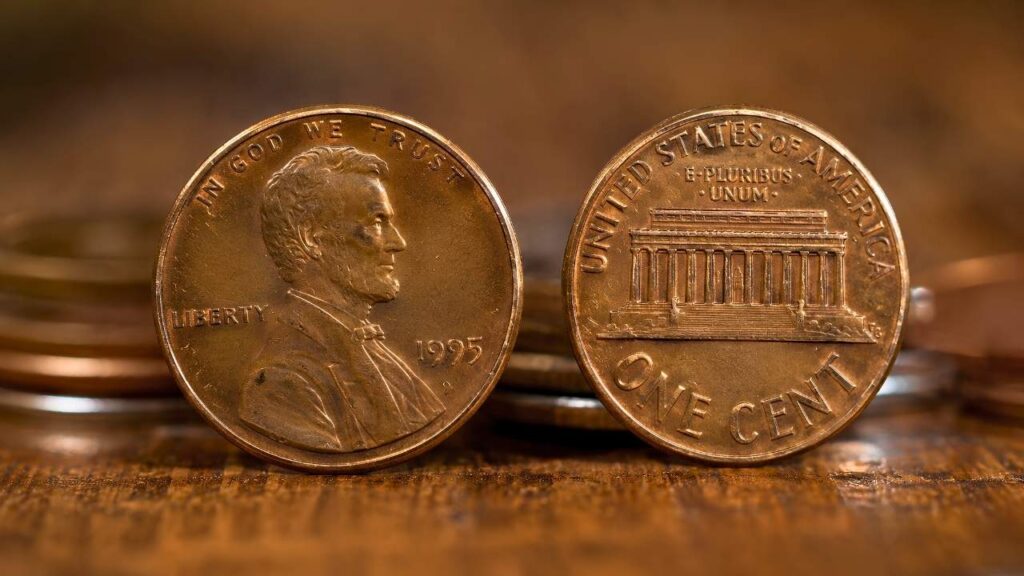
The Lincoln cent was introduced in 1909 to commemorate the 100th anniversary of President Abraham Lincoln’s birth. It was the first regular U.S. coin to feature the portrait of a real person.
The coin was designed by Victor David Brenner, a talented sculptor whose initials, “VDB,” appeared prominently at the bottom of the reverse side of the coin. While the design was initially approved, many critics felt Brenner’s initials were too large and noticeable.
As a result, the U.S. Mint quickly removed the initials after a short production run. This decision created one of the most famous coin varieties in American history: the 1909 VDB Lincoln Penny.
Why the VDB Initials Matter
The initials “VDB” stand for Victor David Brenner. Because they appeared on only a limited number of coins before being removed, collectors immediately became interested in preserving them.
Today, the VDB initials can be found on the reverse side of the coin, located at the bottom center between the wheat stalks.
The brief production period made these coins historically significant and highly collectible.
Understanding 1909 Lincoln Penny Mint Marks
The 1909 Lincoln Penny was produced at two different U.S. Mint facilities.
| Mint Location | Mint Mark | Estimated Mintage |
|---|---|---|
| Philadelphia | No Mint Mark | 27,995,000 |
| San Francisco | S | 484,000 |
The San Francisco issue is significantly rarer than the Philadelphia version, making it one of the most valuable Lincoln cents ever produced.
1909 VDB Lincoln Penny Specifications
| Feature | Details |
|---|---|
| Year | 1909 |
| Designer | Victor David Brenner |
| Composition | 95% Copper, 5% Tin and Zinc |
| Weight | 3.11 grams |
| Diameter | 19 mm |
| Edge | Plain |
| Reverse Design | Wheat Ears |
| Obverse Design | Abraham Lincoln |
1909 VDB Lincoln Penny Without Mint Mark Value
The Philadelphia Mint produced nearly 28 million VDB pennies, making them relatively common compared to the San Francisco version.
However, value depends heavily on condition.
| Grade | Estimated Value |
|---|---|
| Good (G-4) | $10 – $20 |
| Fine (F-12) | $20 – $40 |
| Very Fine (VF-20) | $40 – $75 |
| Extremely Fine (EF-40) | $75 – $150 |
| About Uncirculated (AU-50) | $150 – $300 |
| Mint State (MS-63) | $500 – $1,200 |
| Gem Mint State (MS-65+) | $2,000+ |
High-grade examples with original red color often command substantial premiums.
1909-S VDB Lincoln Penny Value
The 1909-S VDB is considered the “holy grail” of Lincoln cent collecting.
Only 484,000 pieces were struck before production ended. Because of its low mintage and strong collector demand, even worn examples are valuable.
| Grade | Estimated Value |
|---|---|
| Good (G-4) | $800 – $1,200 |
| Fine (F-12) | $1,500 – $2,000 |
| Very Fine (VF-20) | $2,000 – $3,000 |
| Extremely Fine (EF-40) | $3,500 – $5,000 |
| About Uncirculated (AU-50) | $5,000 – $8,000 |
| Mint State (MS-63) | $10,000 – $20,000 |
| Gem Mint State (MS-65+) | $50,000+ |
Exceptional examples have sold for well over $100,000 at major auctions.
What Makes the 1909-S VDB So Valuable?

Several factors contribute to its high value:
- Extremely low mintage.
- Historic first-year issue.
- Strong collector demand.
- Limited availability in high grades.
- Key date status in the Lincoln cent series.
Because every Lincoln cent collector wants one, demand continues to exceed supply.
Rare Errors That Can Increase Value
Error coins are highly sought after because they are unique and often produced accidentally during the minting process.
Several 1909 VDB Lincoln Penny errors can command impressive premiums.
Doubled Die Errors
A doubled die occurs when the coin die receives multiple misaligned impressions during creation.
Collectors should look for:
- Doubling in lettering
- Doubling in dates
- Doubling in Lincoln’s portrait details
Depending on severity and condition, these errors can be worth hundreds or even thousands of dollars.
Off-Center Strike Errors
An off-center strike happens when the coin blank is not properly aligned during striking.
| Off-Center Percentage | Potential Value |
|---|---|
| 5% – 10% | $50 – $150 |
| 10% – 25% | $150 – $500 |
| 25% – 50% | $500 – $2,500+ |
Coins displaying both the date and the error are generally more valuable.
Die Crack Errors
Die cracks occur when a minting die develops fractures from repeated use.
Visible raised lines may appear across the coin.
Major die cracks can increase collector interest and value.
Repunched Mint Mark Errors
Some early Lincoln cents exhibit repunched mint marks where the mint mark was punched into the die more than once.
These varieties can be worth significant premiums depending on visibility and rarity.
Lamination Errors
Lamination errors occur when impurities in the metal cause layers of the coin to peel away.
Collectors often pay strong premiums for dramatic examples.
Color Designations and Their Importance
Copper coins are graded according to color.
| Color Designation | Description |
|---|---|
| Brown (BN) | Mostly brown surface |
| Red-Brown (RB) | Mix of red and brown |
| Red (RD) | Original mint red color |
Red examples are significantly more valuable.
For instance, a 1909-S VDB in MS65 Red can be worth several times more than a Brown specimen of the same grade.
Highest Auction Prices Ever Recorded

Several record-breaking sales have demonstrated the popularity of the 1909-S VDB.
| Grade | Auction Price |
|---|---|
| MS65 Brown | $30,000+ |
| MS66 Red-Brown | $60,000+ |
| MS67 Red | $150,000+ |
Market conditions and certification can influence final prices.
How to Identify a Genuine 1909-S VDB Penny
Because of its value, the 1909-S VDB is heavily counterfeited.
Watch for:
- Added mint marks
- Altered dates
- Fake VDB initials
- Modified Philadelphia coins
Authentication by professional grading services is highly recommended.
Best Third-Party Grading Services
Collectors typically rely on professional grading companies for authentication.
| Grading Company | Reputation |
|---|---|
| PCGS | Excellent |
| NGC | Excellent |
| ANACS | Very Good |
| ICG | Good |
Certified examples often sell for higher prices.
Factors That Affect Value
Several factors determine a coin’s market value.
Condition
The better the condition, the more valuable the coin.
Color
Red coins command the highest premiums.
Strike Quality
Sharper details generally increase value.
Surface Preservation
Coins without scratches, cleaning, or damage are worth more.
Collector Demand
Strong demand continues to support high prices for key-date Lincoln cents.
Tips for New Collectors
If you are interested in purchasing a 1909 VDB Lincoln Penny, consider the following:
- Buy certified examples when possible.
- Avoid cleaned or damaged coins.
- Study genuine examples before purchasing.
- Compare prices from multiple dealers.
- Focus on quality rather than quantity.
Patience often leads to better purchases and long-term value.
Investment Potential of the 1909 VDB Penny

The 1909-S VDB has consistently remained one of the most desirable U.S. coins for over a century.
Reasons collectors view it as a strong long-term collectible include:
- Historical significance.
- Limited supply.
- Global collector recognition.
- Consistent demand.
- Strong auction performance.
While no investment is guaranteed, this coin has demonstrated remarkable resilience over time.
Key Highlights
- The 1909 VDB Lincoln Penny was the first Lincoln cent issued by the United States Mint.
- VDB stands for Victor David Brenner, the coin’s designer.
- The initials were removed shortly after release, creating a highly collectible variety.
- Philadelphia produced nearly 28 million VDB pennies.
- Only 484,000 1909-S VDB pennies were minted.
- The 1909-S VDB is one of the most valuable Lincoln cents ever produced.
- Rare errors such as doubled dies, off-center strikes, and repunched mint marks can dramatically increase value.
- Red color designation coins command the highest premiums.
- Professional authentication is strongly recommended due to widespread counterfeiting.
FAQs
What does VDB stand for on the 1909 Lincoln Penny?
VDB stands for Victor David Brenner, the designer of the Lincoln cent.
How rare is the 1909-S VDB Lincoln Penny?
Only 484,000 examples were produced, making it one of the rarest regular-issue Lincoln cents.
Is a 1909 VDB penny without a mint mark valuable?
Yes. While more common than the 1909-S VDB, Philadelphia examples still carry collector value and can be worth anywhere from a few dollars to several thousand dollars depending on condition.
How can I tell if my 1909-S VDB penny is real?
Check the mint mark placement, VDB initials, weight, and design details. Professional authentication through PCGS or NGC is recommended.
What is the most valuable 1909 VDB penny?
High-grade 1909-S VDB examples with a Red color designation are among the most valuable and have sold for over $100,000.
Do error coins increase value?
Yes. Significant minting errors such as doubled dies, off-center strikes, and repunched mint marks can substantially increase collector demand and value.
Should I clean my 1909 VDB penny?
No. Cleaning can reduce value dramatically and is generally discouraged by collectors and grading services.
Why is the 1909-S VDB called a key date?
It has the lowest mintage and highest demand among early Lincoln cents, making it an essential coin for completing a Lincoln cent collection.
Final Words
The 1909 VDB Lincoln Penny remains one of the most iconic and collectible coins in American numismatic history. Whether you own a Philadelphia issue, a rare 1909-S VDB, or an unusual error variety, these coins continue to capture the attention of collectors worldwide. Their combination of historical significance, limited production, and enduring demand has helped maintain strong market values for more than a century.
For collectors, finding a genuine 1909-S VDB can be the centerpiece of a Lincoln cent collection. For investors, high-grade certified examples represent a tangible piece of American history with proven long-term appeal. Before buying or selling, always verify authenticity, understand grading standards, and stay informed about current market trends. A small copper penny from 1909 could be worth far more than its face value—and in some cases, a life-changing amount of money.