Old Egg Beaters Worth Money: Vintage kitchen tools have become one of the most fascinating categories in the world of antiques. Among them, old egg beaters hold a special place because they combine history, craftsmanship, and nostalgia. What was once a simple kitchen utensil used daily by homemakers is now a collectible item that attracts antique enthusiasts, kitchenware collectors, and history lovers alike.
Many people are surprised to learn that some antique egg beaters can sell for impressive prices. Their value often depends on factors such as age, rarity, manufacturer, condition, design, and historical significance. Some models feature intricate gears, decorative wooden handles, or innovative mechanical designs that showcase the creativity of early kitchen tool manufacturers.
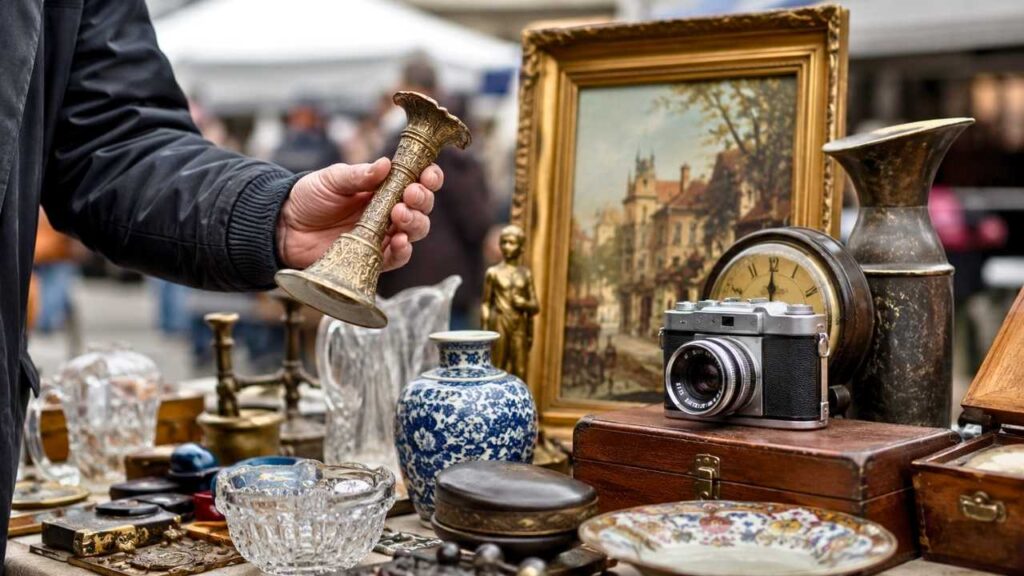
Whether you inherited an old egg beater from a family member, discovered one at a flea market, or simply enjoy collecting vintage kitchenware, understanding which models are valuable can help you identify hidden treasures. In this guide, we’ll explore nine rare antique egg beater brands and designs that collectors actively seek today.
Why Antique Egg Beaters Are Collectible
Before electric mixers transformed modern kitchens, hand-operated egg beaters were essential household tools. Manufacturers competed to create more efficient, durable, and visually appealing designs. As a result, many antique egg beaters showcase remarkable engineering and craftsmanship.
Collectors appreciate these items because they represent an important era in domestic history. They also appeal to people who enjoy farmhouse décor, vintage kitchen displays, and mechanical inventions from the late nineteenth and early twentieth centuries.
Several factors contribute to an egg beater’s value:
| Value Factor | Impact on Price |
|---|---|
| Age | Older models often command higher prices |
| Brand | Well-known manufacturers attract collectors |
| Condition | Original paint and working gears increase value |
| Rarity | Limited-production designs are highly sought after |
| Materials | Wooden handles and cast metal parts add appeal |
| Historical Significance | Early patented models often sell for premium prices |
Dover Stamping Company Egg Beaters
The Dover Stamping Company produced some of the most recognizable hand-crank egg beaters in America. Their products were known for reliability and efficient gear mechanisms.
Collectors particularly value early Dover models featuring wooden handles and stamped company markings. These beaters are often found in antique shops and estate sales, but examples in excellent condition remain desirable.
Depending on rarity and condition, vintage Dover egg beaters can sell anywhere from $25 to several hundred dollars.
A&J Manufacturing Company Egg Beaters

A&J Manufacturing became famous for producing durable kitchen tools during the late nineteenth and early twentieth centuries. Their egg beaters often featured elegant metalwork and sturdy construction.
Collectors look for original markings, intact gears, and handles free from cracks or repairs. Some early A&J models display unique engineering features that distinguish them from competing brands.
Rare examples with original finishes can bring significant interest among collectors of antique kitchen gadgets.
Universal Egg Beaters
Universal egg beaters remain one of the most popular categories among vintage kitchen collectors. Manufactured by Landers, Frary & Clark, these tools were marketed as high-quality household essentials.
The company’s advertisements emphasized ease of use and durability, making Universal egg beaters a common sight in American kitchens for decades.
Today, collectors seek:
- Early patented models
- Wooden-handled versions
- Original painted examples
- Boxed or unused specimens
Well-preserved Universal beaters continue to enjoy strong demand in the antique market.
Maynard Hand Egg Beaters
Maynard egg beaters are considered relatively uncommon compared to more mainstream brands. Their scarcity contributes significantly to their collector appeal.
Many Maynard designs feature distinctive gear arrangements and unique handle shapes. These characteristics make them easy to identify and highly attractive to collectors specializing in mechanical kitchen tools.
Because they appear less frequently on the market, prices can vary widely depending on condition and buyer interest.
Androck Vintage Egg Beaters

Androck became a household name during the twentieth century thanks to its practical and affordable kitchen gadgets. Although some Androck models are common, certain early designs have become collectible.
Collectors often search for:
- Early production models
- Brightly painted versions
- Rare color variations
- Original packaging
Vintage Androck beaters provide an accessible entry point for beginner collectors while still offering opportunities to find valuable examples.
Peck, Stow & Wilcox Egg Beaters
Peck, Stow & Wilcox produced a variety of innovative household tools during the nineteenth century. Their egg beaters often display exceptional craftsmanship and engineering.
Because many examples date back well over a century, surviving specimens are increasingly difficult to find. Collectors particularly appreciate models featuring ornate cast metal construction and patented mechanical improvements.
These antique beaters frequently become conversation pieces in vintage kitchen displays.
Rotary Patent Egg Beaters
Rotary patent egg beaters represent some of the earliest innovations in hand-powered food preparation tools. Many manufacturers produced rotary models under various patents throughout the late nineteenth century.
What makes these beaters valuable is their historical significance. They showcase the evolution of kitchen technology during a time when inventors continuously sought more efficient household tools.
Collectors often pay premium prices for:
- Patent-dated examples
- Unusual gear systems
- Rare mechanical designs
- Early production versions
Wooden Handle Wire Beaters
Not every valuable antique egg beater comes from a famous brand. Some generic or regional models featuring beautifully crafted wooden handles and wire mechanisms have developed a strong collector following.
These pieces often appeal to decorators as much as collectors because they complement farmhouse, rustic, and country-themed interiors.
Their charm lies in their simplicity, handcrafted appearance, and connection to everyday life in earlier generations.
Decorative Cast Iron Egg Beaters
Decorative cast iron egg beaters stand out because they combine function and artistry. Many feature intricate patterns, embossed logos, and ornamental details rarely seen in modern kitchen tools.
Collectors value these pieces for their visual appeal and historical character. Even examples with minor wear can attract attention if the decorative elements remain intact.
Some rare cast iron models command impressive prices at antique auctions and specialty collector events.
Estimated Value Guide for Antique Egg Beaters

The following table provides a general overview of potential market values. Actual prices can vary based on demand, condition, and rarity.
| Egg Beater Type | Typical Value Range |
| Dover Models | $25 – $300+ |
| A&J Manufacturing | $30 – $350+ |
| Universal Beaters | $20 – $250+ |
| Maynard Models | $50 – $500+ |
| Androck Beaters | $15 – $150+ |
| Peck, Stow & Wilcox | $75 – $600+ |
| Rotary Patent Designs | $50 – $700+ |
| Wooden Handle Wire Beaters | $20 – $200+ |
| Decorative Cast Iron Models | $75 – $800+ |
How to Identify Valuable Antique Egg Beaters
Many valuable egg beaters share common characteristics that collectors look for when evaluating potential purchases.
Examine the item carefully for manufacturer markings, patent dates, and unique design features. Original finishes are generally more desirable than repainted examples.
Check for:
- Patent information
- Company logos
- Original paint
- Wooden components
- Smooth gear operation
- Minimal rust or corrosion
Documentation, original boxes, and family provenance can also increase collector interest.
Where to Find Rare Antique Egg Beaters
Collectors discover valuable examples in many places, including:
- Estate sales
- Antique stores
- Flea markets
- Farm auctions
- Garage sales
- Online auction platforms
- Antique collector shows
Some of the most valuable finds occur when sellers are unaware of an item’s rarity or historical significance.
Tips for Preserving Antique Egg Beaters
Proper preservation helps maintain both appearance and value.
Avoid harsh cleaning chemicals that may remove original paint or patina. Instead, use gentle cleaning methods and store pieces in a dry environment to prevent rust.
Collectors generally recommend:
- Keeping items away from moisture
- Avoiding abrasive cleaning tools
- Preserving original finishes
- Storing in climate-controlled conditions
- Handling wooden parts carefully
A well-preserved antique egg beater often retains more value than one that has been heavily restored.
Why Collectors Continue to Love Vintage Egg Beaters
Vintage egg beaters represent more than old kitchen tools. They tell stories about innovation, domestic life, and craftsmanship from another era. Their mechanical simplicity and attractive designs make them appealing collectibles that bridge history and function.
For many collectors, the thrill lies in discovering an unusual model with a unique patent, rare manufacturer, or fascinating design feature. As interest in antique kitchenware continues to grow, these humble tools remain cherished treasures among enthusiasts worldwide.
Key Highlights
- Antique egg beaters are increasingly popular among collectors.
- Age, rarity, condition, and manufacturer greatly influence value.
- Dover, A&J, Universal, and Maynard models are especially desirable.
- Early patent and rotary designs often command premium prices.
- Decorative cast iron beaters are highly sought after for display purposes.
- Original paint, working gears, and wooden handles increase collector interest.
- Estate sales, flea markets, and antique auctions are excellent hunting grounds.
- Proper preservation helps maintain long-term value.
Final Words
Old egg beaters may appear to be ordinary kitchen tools, but many have become valuable collectibles with fascinating historical significance. From classic Dover models to rare rotary patent designs, these vintage utensils offer a glimpse into the ingenuity and craftsmanship of earlier generations.
Whether you’re a serious collector or simply curious about an old kitchen gadget found in a family attic, it’s worth taking a closer look. A seemingly simple egg beater could turn out to be a rare antique with both historical charm and surprising monetary value. As collectors continue to appreciate vintage kitchenware, the demand for well-preserved antique egg beaters is likely to remain strong for years to come.
FAQs
Are old egg beaters really worth money?
Yes. Certain antique egg beaters from rare manufacturers or early patent periods can be worth hundreds of dollars, especially when they remain in excellent condition.
How can I determine the age of an antique egg beater?
Look for patent dates, manufacturer markings, and design features. Researching these details can help identify the production period.
Which antique egg beater brand is the most valuable?
There is no single most valuable brand, but rare examples from Peck, Stow & Wilcox, Maynard, and early rotary patent manufacturers often command high prices.
Does rust reduce an egg beater’s value?
Minor surface rust may not significantly affect value, but heavy corrosion, missing parts, or damage can lower collector interest.
Are wooden-handle egg beaters collectible?
Yes. Many collectors actively seek wooden-handle models because they reflect early craftsmanship and vintage charm.
Should I restore an antique egg beater?
In many cases, preserving the original finish is preferable. Over-restoration can reduce historical authenticity and collector value.
Where can I sell antique egg beaters?
You can sell them through antique dealers, online auction sites, collector forums, flea markets, and specialty antique shows.
What makes an egg beater rare?
Limited production numbers, unique patents, unusual mechanical designs, historical significance, and survival in excellent condition all contribute to rarity.