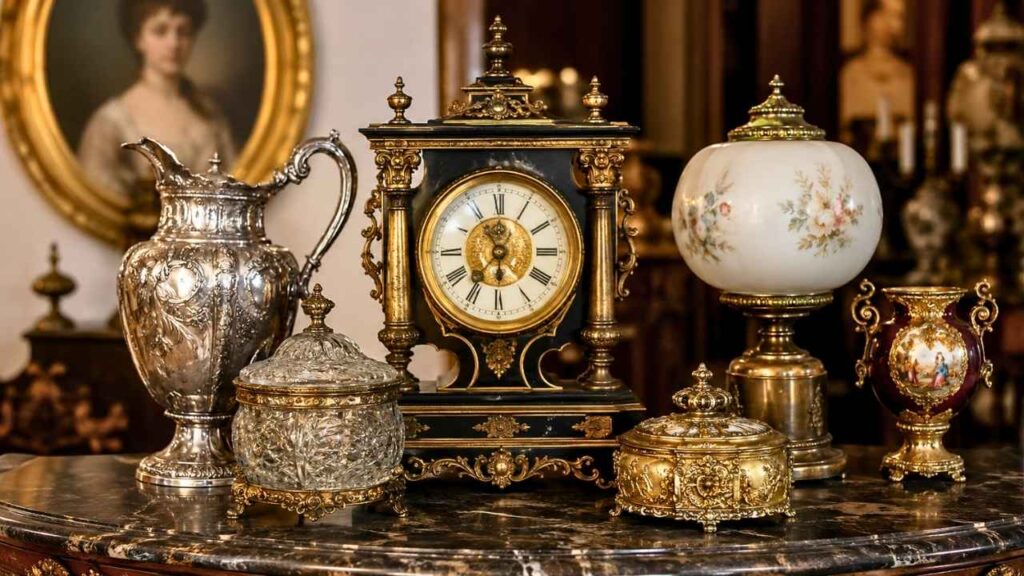
How to Identify Real Victorian Vintage Jewelry: Victorian jewelry remains one of the most fascinating and collectible categories in the antique jewelry market. From romantic gold lockets and intricate mourning brooches to dazzling diamond snake rings, pieces from the Victorian era continue to captivate collectors, investors, and jewelry enthusiasts around the world.
Many people inherit old jewelry from family members without realizing its historical significance or potential value. In some cases, a seemingly ordinary ring or pendant may be worth hundreds, thousands, or even tens of thousands of dollars. Understanding how to identify authentic Victorian jewelry is the first step toward discovering whether a treasured heirloom is a valuable antique or simply a vintage-inspired reproduction.
In this comprehensive guide, you’ll learn the history of Victorian jewelry, the key signs of authenticity, common materials and gemstones, hallmark identification, valuation factors, and real-world examples of valuable Victorian pieces.
Understanding the Victorian Jewelry Era
Victorian jewelry refers to pieces created during the reign of Queen Victoria, who ruled Britain from 1837 until 1901. Her influence on fashion, art, and jewelry was enormous, and many trends during this period reflected major events in her personal life.
The Victorian era lasted more than 60 years, allowing jewelry styles to evolve dramatically over time. Collectors generally divide Victorian jewelry into three distinct periods.
Early Victorian Period (1837–1860)
The Early Victorian period is often called the Romantic Period because jewelry designs emphasized emotion, love, family, and nature.
Popular motifs included:
- Hearts
- Flowers
- Birds
- Serpents
- Hands
- Eyes
Jewelry from this era often carried symbolic meanings. A snake ring, for example, represented eternal love and devotion.
Craftsmanship was highly detailed because most jewelry was handmade by skilled artisans rather than mass-produced in factories.
Mid-Victorian Period (1860–1885)

The death of Prince Albert in 1861 deeply affected Queen Victoria and influenced jewelry fashion throughout Britain.
This era became known as the Grand Period and was characterized by mourning jewelry.
Common features included:
- Black enamel
- Jet gemstones
- Onyx
- Memorial lockets
- Hairwork jewelry
- Dark-colored gemstones
Many pieces were designed to commemorate deceased loved ones and often contained sentimental inscriptions.
Late Victorian Period (1885–1901)
The Late Victorian period, sometimes called the Aesthetic Period, saw a return to lighter and more elegant designs.
Popular themes included:
- Crescent moons
- Stars
- Naturalistic flowers
- Birds
- Diamonds
- Colored gemstones
Advances in jewelry manufacturing also made fine jewelry more accessible to the growing middle class.
Why Victorian Jewelry Remains So Valuable Today
Victorian jewelry continues to attract collectors because of its:
- Historical significance
- Handcrafted quality
- Unique symbolism
- Limited supply
- Investment potential
Unlike modern mass-produced jewelry, authentic Victorian pieces often showcase craftsmanship that is difficult and expensive to replicate today.
Many collectors appreciate not only the beauty of these pieces but also the stories they tell about life during the nineteenth century.
How to Identify Authentic Victorian Jewelry
Authenticating Victorian jewelry requires examining several important characteristics.
Examine the Design Style
Victorian jewelry typically reflects the design trends of its specific period.
Look for:
| Design Feature | Victorian Significance |
| Serpents | Eternal love |
| Hearts | Romance and affection |
| Flowers | Nature and beauty |
| Birds | Freedom and devotion |
| Crescent Moons | Femininity and change |
| Stars | Guidance and hope |
Authentic examples usually display exceptional detail and craftsmanship.
Look for Handcrafted Construction

Victorian jewelers relied heavily on hand fabrication.
Signs include:
- Slight irregularities
- Hand-cut settings
- Individually crafted components
- Hand engraving
Machine-perfect symmetry may indicate a modern reproduction.
Check the Back of the Jewelry
Many collectors focus only on the front of a piece, but the reverse side often reveals important clues.
Look for:
- Handmade hinges
- Original clasps
- Hand soldering
- Natural wear patterns
These details can provide valuable evidence of age.
Materials Commonly Used in Victorian Jewelry
Material analysis is one of the most effective methods for identifying authentic Victorian jewelry.
Gold
Gold was the most popular precious metal during the Victorian era.
Common gold purities included:
| Gold Purity | Usage |
| 9K | Everyday jewelry |
| 12K | Decorative pieces |
| 15K | British Victorian jewelry |
| 18K | Fine luxury jewelry |
Interestingly, 15K gold is no longer produced today, making it a useful indicator of Victorian origin.
Silver
Silver was frequently used before platinum gained popularity.
Characteristics include:
- Sterling silver hallmarks
- Silver-backed settings
- Oxidized finishes
Many diamond pieces were mounted in silver to enhance their sparkle.
Jet
Jet became especially popular during the mourning period.
Authentic jet is:
- Lightweight
- Warm to the touch
- Deep black in appearance
Victorian jet jewelry remains highly collectible.
Enamel
Enamel decoration was commonly used throughout the Victorian period.
Collectors pay premium prices for:
- Undamaged enamel
- Detailed workmanship
- Rare color combinations
Gemstones Found in Victorian Jewelry
Victorian jewelers used a wide range of gemstones.
Diamonds
Victorian diamonds were cut differently from modern stones.
Common cuts include:
- Old Mine Cut
- Rose Cut
- Old European Cut
These cuts typically display a softer sparkle than modern brilliant-cut diamonds.
Garnets
Garnets were among the most popular Victorian gemstones.
Bohemian garnet jewelry remains especially desirable because of its rich red color and intricate cluster settings.
Opals

Victorian collectors adored opals for their vibrant play of color.
Natural opals can significantly increase a piece’s value.
Turquoise
Turquoise symbolized friendship and protection.
Victorian turquoise jewelry often appears in rings, brooches, and lockets.
Other Popular Gemstones
Victorian jewelers frequently used:
- Emeralds
- Rubies
- Sapphires
- Amethysts
- Pearls
- Moonstones
Natural gemstones generally command higher prices than modern replacements.
Understanding Victorian Hallmarks
Hallmarks provide valuable information about a piece’s origin and authenticity.
What Hallmarks Can Reveal
A hallmark may indicate:
- Metal purity
- Assay office
- Date of manufacture
- Maker’s identity
Common British Hallmark Elements
| Hallmark Type | Meaning |
| Crown | Gold standard |
| Date Letter | Year produced |
| Assay Mark | Testing office |
| Maker’s Mark | Jewelry manufacturer |
Hallmarks should always appear consistent with the jewelry’s design and construction.
Famous Victorian Jewelry Makers
Certain makers command significant premiums.
Notable names include:
- Tiffany & Co.
- Liberty & Co.
- Carlo Giuliano
- Murrle Bennett
- Hunt & Roskell
Pieces from these manufacturers often achieve strong auction results.
How to Spot Victorian Jewelry Reproductions
Because Victorian jewelry is highly collectible, reproductions are common.
Warning Signs
Modern Stone Cuts
Modern brilliant-cut diamonds may indicate later alterations or reproductions.
Artificial Aging
Some counterfeit pieces are intentionally scratched or darkened.
Natural wear develops gradually and usually appears in logical locations.
Incorrect Hallmarks
Fake hallmarks often appear:
- Too deep
- Too sharp
- Poorly positioned
Modern Soldering
Bright modern solder joints can indicate repairs or newer construction.
What Determines Victorian Jewelry Value?
Several factors influence market value.
Condition
Condition is one of the most important considerations.
Collectors prefer:
- Original stones
- Working clasps
- Minimal repairs
- Excellent enamel
Rarity
Rare designs often command higher prices.
Examples include:
- Snake jewelry
- Archaeological revival pieces
- Memorial jewelry
- Unusual gemstone combinations
Provenance
Documented ownership history can significantly increase value.
Celebrity or aristocratic connections may dramatically boost prices.
Material Quality
Higher-quality materials generally increase worth.
Examples include:
- 18K gold
- Large diamonds
- Natural opals
- Fine enamel work
Real Victorian Jewelry Examples and Market Values
Victorian Diamond Snake Ring
| Feature | Details |
| Metal | 18K Gold |
| Stones | Old Mine Cut Diamonds |
| Value Range | $3,000–$15,000 |
Snake motifs became fashionable after Queen Victoria received a snake engagement ring.
Victorian Mourning Locket
| Feature | Details |
| Materials | Gold, Black Enamel |
| Features | Hairwork, Inscription |
| Value Range | $500–$5,000 |
Original inscriptions increase collector demand.
Bohemian Garnet Necklace
| Feature | Details |
| Materials | Garnets |
| Setting | Gold Gilt |
| Value Range | $1,000–$8,000 |
Dense garnet cluster designs are especially desirable.
Victorian Opal and Diamond Ring
| Feature | Details |
| Stones | Natural Opals, Diamonds |
| Metal | Gold |
| Value Range | $2,500–$20,000 |
High-quality natural opals can substantially increase value.
Archaeological Revival Bracelet
| Feature | Details |
| Materials | 18K Gold, Enamel |
| Inspiration | Ancient Greece and Rome |
| Value Range | $5,000–$30,000+ |
These pieces are among the most collectible Victorian jewelry categories.
Where to Find Victorian Jewelry Today
Collectors frequently discover Victorian jewelry through:
- Estate sales
- Antique stores
- Auction houses
- Family inheritances
- Online antique marketplaces
Always request detailed photographs and authenticity documentation before purchasing.
Tips for Buying Victorian Jewelry

When shopping for Victorian jewelry:
- Research hallmarks carefully.
- Ask for gemstone reports when possible.
- Purchase from reputable dealers.
- Compare prices with auction results.
- Seek professional authentication.
Tips for Selling Victorian Jewelry
To maximize value:
- Obtain a professional appraisal.
- Document provenance.
- Clean carefully and professionally.
- Compare multiple offers.
- Consider specialist antique jewelry auctions.
Key Highlights
| Topic | What You’ll Learn |
|---|---|
| Victorian Era Timeline | Understanding the 1837–1901 jewelry period |
| Authenticity Signs | How to recognize genuine Victorian jewelry |
| Materials Used | Gold, silver, jet, garnets, enamel, and more |
| Gemstone Identification | Common stones used during the era |
| Hallmarks and Maker’s Marks | How stamps help verify authenticity |
| Value Factors | What determines market worth |
| Real Examples | Valuable Victorian jewelry sold today |
| Buying and Selling Tips | How to avoid costly mistakes |
Final Words
Victorian jewelry represents one of the most fascinating chapters in jewelry history. Its remarkable craftsmanship, symbolism, and historical significance continue to attract collectors worldwide. Whether you inherit a family heirloom, discover a hidden treasure at an estate sale, or actively collect antique jewelry, understanding Victorian-era materials, gemstones, hallmarks, and design styles can help you identify genuine examples and accurately assess their value.
Many authentic Victorian pieces still circulate in the marketplace today, often hiding in private collections, antique shops, and forgotten jewelry boxes. With careful research and expert evaluation, a seemingly ordinary piece could reveal itself as a valuable artifact from one of history’s most celebrated jewelry periods.
Frequently Asked Questions (FAQs)
How old must jewelry be to qualify as Victorian?
Victorian jewelry must have been produced during Queen Victoria’s reign from 1837 to 1901.
Is Victorian jewelry considered antique?
Yes. Jewelry over 100 years old is generally classified as antique.
How can I tell if a Victorian diamond is original?
Look for Old Mine Cut, Rose Cut, or Old European Cut diamonds rather than modern brilliant cuts.
What is the most valuable type of Victorian jewelry?
Rare diamond pieces, archaeological revival jewelry, and signed works from famous makers often achieve the highest prices.
Are Victorian mourning pieces collectible?
Yes. Authentic mourning jewelry remains highly collectible, particularly examples with original inscriptions and hairwork.
Can Victorian jewelry contain synthetic gemstones?
Most original Victorian jewelry used natural stones. Synthetic gemstones may indicate later replacements.
Does damage affect Victorian jewelry value?
Yes. Missing stones, broken clasps, and enamel damage can significantly reduce value.
Should I clean Victorian jewelry before selling it?
Only gentle cleaning is recommended. Aggressive polishing can reduce collectible value.
Where can I get Victorian jewelry appraised?
Seek a qualified antique jewelry appraiser or specialist auction house.
Can Victorian jewelry be a good investment?
High-quality, authentic Victorian pieces with strong provenance and excellent condition can perform well as collectible investments over time.
Disclaimer: This article is for educational purposes only. Jewelry values fluctuate based on market demand, rarity, provenance, condition, and authenticity. Always consult a qualified jewelry expert or certified appraiser before making buying or selling decisions.