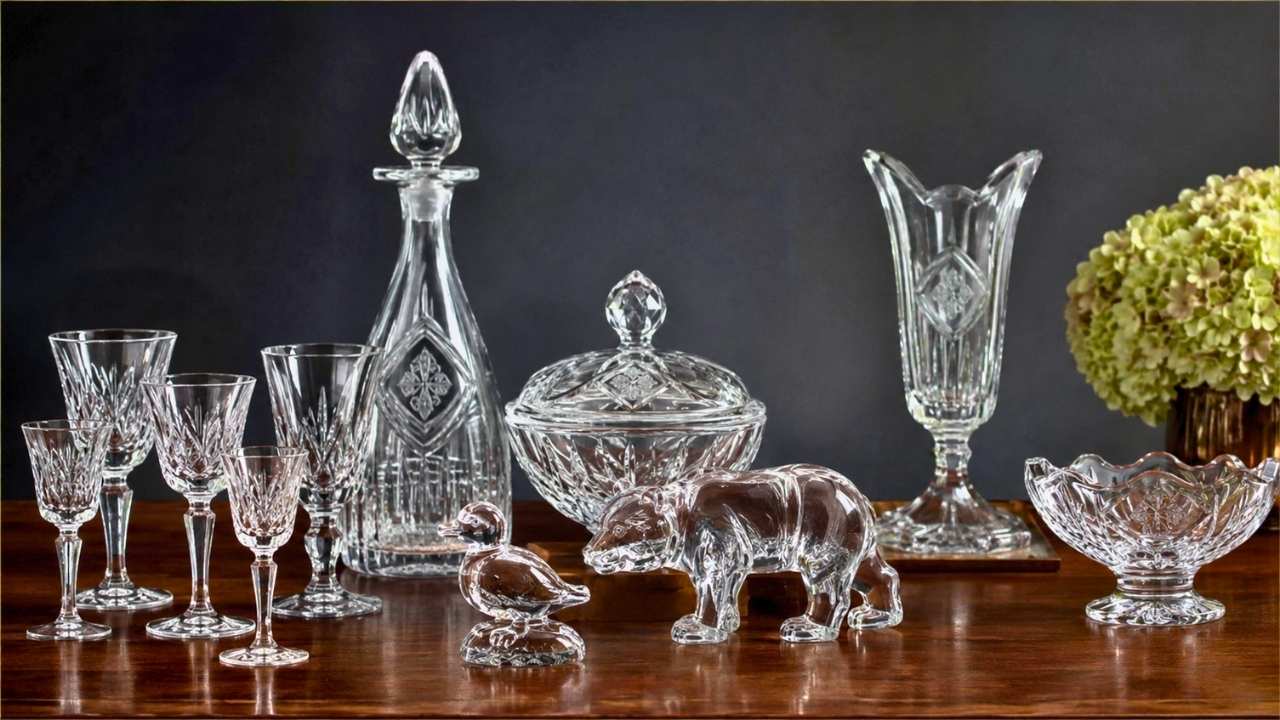
11 Valuable Heisey Glass Pieces: Heisey glass remains one of the most admired names in American glass collecting. Known for its exceptional clarity, elegant designs, and superior craftsmanship, Heisey pieces continue to attract collectors, antique dealers, and vintage enthusiasts decades after production ended. Whether discovered at an estate sale, antique mall, flea market, or inherited from family members, authentic Heisey glass can sometimes be worth hundreds or even thousands of dollars.
Founded in the late nineteenth century, the Heisey Glass Company earned a reputation for creating luxury glassware that rivaled the finest crystal available during its era. Today, collectors search for rare animal figurines, decorative bowls, stemware, candlesticks, vases, and limited-production patterns that have become increasingly difficult to find.
Understanding which Heisey pieces hold the greatest value can help collectors make informed purchases and identify hidden treasures. While condition, rarity, color, and market demand all influence prices, certain categories consistently command strong attention from buyers.
This guide explores eleven valuable Heisey glass pieces worth looking for and explains why these beautiful examples continue to stand out in the antiques market.
The History Behind Heisey Glass
The Heisey Glass Company was founded by Augustus H. Heisey in Newark, Ohio, in 1896. The company quickly established itself as a producer of high-quality pressed and blown glass products. Unlike many competitors, Heisey focused heavily on clarity, brilliance, and precision.
Restaurants, hotels, luxury retailers, and affluent households frequently purchased Heisey products because of their exceptional appearance and durability. Over several decades, the company introduced hundreds of patterns and decorative designs.
Collectors today often recognize genuine Heisey pieces by the famous diamond-shaped “H” mark found on many items. However, not every piece was marked, making identification an important skill for serious collectors.
Why Heisey Glass Remains Valuable
Several factors contribute to the ongoing value of Heisey glass.
Superior Craftsmanship
Heisey glass is renowned for its crystal-clear quality. The company maintained high production standards that allowed many pieces to survive in excellent condition.
Limited Availability
Production ended in 1957. Since no new Heisey glass is being manufactured, collectors compete for a finite supply.
Collector Demand
Heisey has an active collector community that continuously searches for rare examples, complete sets, and unusual colors.
Historical Significance
As one of America’s most respected glass manufacturers, Heisey occupies an important place in decorative arts history.
Factors That Affect Heisey Glass Values
Before examining specific pieces, it helps to understand what drives market prices.
| Value Factor | Impact on Price |
|---|---|
| Condition | Excellent condition brings premium prices |
| Rarity | Scarce patterns are highly desirable |
| Color | Unusual colors often increase value |
| Original Sets | Complete sets outperform individual pieces |
| Markings | Authentic marks support identification |
| Collector Demand | Popular patterns command stronger prices |
| Provenance | Documented ownership can add value |
1. Heisey Animal Figurines
Animal figurines are among the most collectible Heisey creations. These charming sculptures feature remarkable detail and exceptional craftsmanship.
Popular examples include horses, ducks, swans, dogs, elephants, and cats. Some were produced in limited quantities, making them especially difficult to locate today.
Collectors often seek figurines in colored glass varieties because they appear less frequently than clear examples. Well-preserved figurines without chips, cracks, repairs, or scratches often achieve impressive auction results.
Rare animal figurines can range from several hundred dollars to over one thousand dollars depending on scarcity and condition.
What Makes Them Valuable?
- Detailed craftsmanship
- Strong collector demand
- Decorative appeal
- Limited production runs
- Excellent display potential
2. Orchid Pattern Stemware
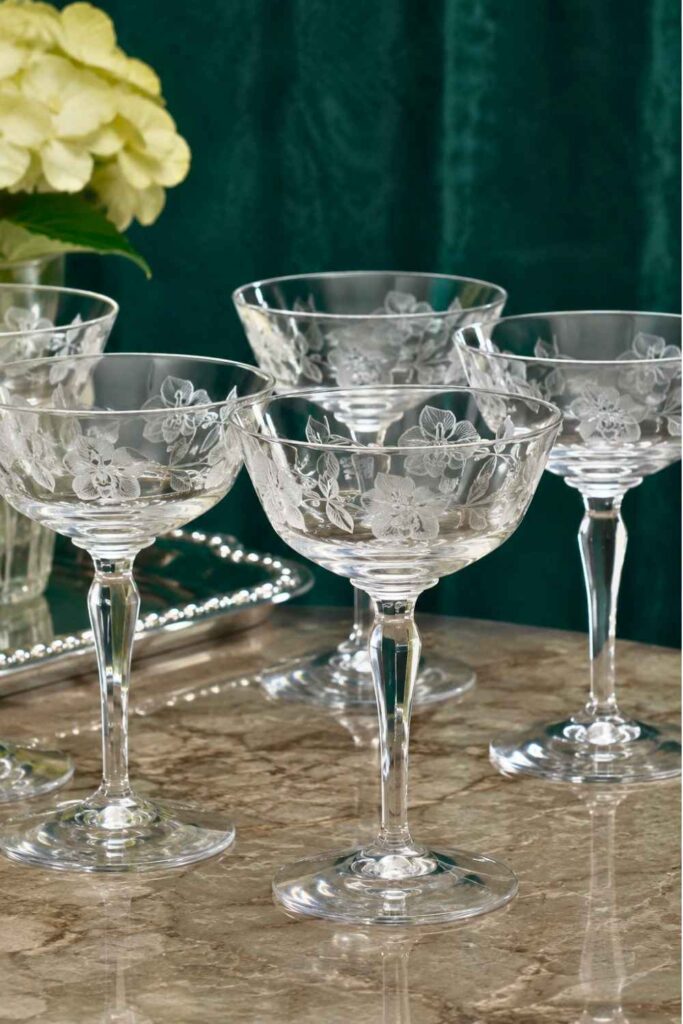
The Orchid pattern remains one of the most recognizable Heisey designs ever produced.
Introduced during the 1940s, this pattern features elegant floral etching that adds sophistication to glasses and serving pieces. Orchid stemware is especially popular among collectors seeking complete dining sets.
Finding matching goblets, wine glasses, cocktail glasses, and water stems in pristine condition can be challenging. As a result, complete collections often command substantial premiums.
Average Collector Interest
| Piece Type | Collector Demand |
|---|---|
| Goblets | Very High |
| Wine Glasses | High |
| Water Glasses | High |
| Cocktail Stems | Very High |
| Complete Sets | Exceptional |
3. Heisey Swan Figurines
Among all Heisey animal forms, swans enjoy particularly strong popularity.
The graceful shape showcases the company’s ability to create elegant flowing lines in glass. Swans frequently appear in collector showcases and antique exhibitions because of their visual appeal.
Colored examples, especially those produced in less common shades, can be significantly more valuable than standard clear versions.
Collectors should carefully inspect the neck and wings, as these delicate areas are prone to damage.
4. Crystolite Pattern Pieces
Crystolite is one of the most sought-after Heisey patterns.
The intricate geometric design captures light beautifully, creating a sparkling effect that attracts both collectors and decorators.
Many Crystolite pieces were everyday household items, which means surviving examples often show wear. Finding mint-condition examples is increasingly difficult.
Popular Crystolite items include:
- Serving bowls
- Relish dishes
- Sugar bowls
- Creamers
- Cake plates
- Covered dishes
Excellent examples frequently command premium prices due to their decorative versatility.
5. Colored Heisey Glass
Although clear crystal dominates the Heisey market, colored glass pieces often attract even greater collector interest.
The company produced a range of colors over the years, including:
| Color | Relative Scarcity |
|---|---|
| Flamingo | Rare |
| Moongleam | Rare |
| Sahara | Scarce |
| Alexandrite | Very Rare |
| Cobalt Blue | Scarce |
| Emerald Green | Scarce |
| Crystal Clear | Common |
Alexandrite pieces are particularly desirable because of their unique color-changing properties under different lighting conditions.
Collectors frequently pay significant premiums for unusual colors, especially when paired with rare patterns.
6. Heisey Candlesticks
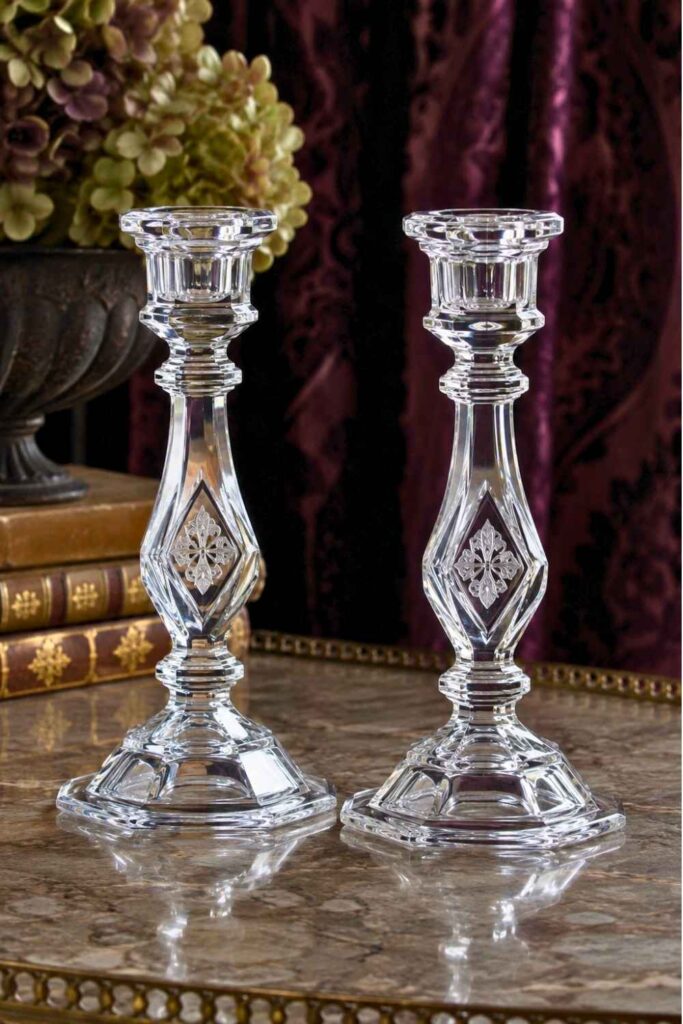
Elegant candlesticks represent another valuable category.
Heisey produced numerous candlestick styles ranging from simple geometric designs to elaborate decorative examples.
Collectors often seek matching pairs because complete sets are harder to find than individual pieces.
Factors influencing value include:
- Height
- Design complexity
- Color
- Condition
- Matching pair availability
Rare candlestick designs can become centerpiece items within advanced Heisey collections.
7. Ridgeleigh Pattern Glassware
Ridgeleigh is one of the most sophisticated patterns produced by the company.
Featuring refined lines and exceptional brilliance, Ridgeleigh pieces appeal to collectors who appreciate classic elegance.
Stemware examples are particularly desirable because they showcase the pattern’s decorative features while remaining practical display pieces.
Collectors often focus on:
- Goblets
- Champagne stems
- Water glasses
- Sherbets
- Cordials
Complete Ridgeleigh table settings are increasingly difficult to assemble, contributing to their market value.
8. Heisey Covered Candy Jars
Decorative covered candy jars combine beauty and functionality.
These pieces frequently served as display items in dining rooms and parlors, making them central decorative elements within households.
Collectors value examples featuring:
- Original lids
- Matching components
- Rare colors
- Unusual shapes
- Minimal wear
Because lids were often separated or broken over time, complete jars remain especially desirable.
The difference between a complete jar and one missing its lid can be substantial, making completeness a critical factor when assessing value.
9. Heisey Vases
Heisey produced a wide variety of vase designs throughout its history.
Some feature simple elegant forms, while others incorporate intricate decorative patterns and artistic shapes.
Popular vase categories include:
- Bud vases
- Trumpet vases
- Floral display vases
- Art glass vases
- Colored crystal vases
Rare forms and unusual colors tend to generate the greatest collector excitement.
Collectors often prioritize examples with exceptional clarity and minimal signs of use.
10. Empress Pattern Glassware
The Empress pattern remains a favorite among collectors seeking decorative elegance combined with practicality.
Known for its intricate design elements and refined appearance, Empress pieces frequently appear in collector auctions.
Popular examples include:
- Bowls
- Plates
- Relish dishes
- Stemware
- Serving pieces
Because many pieces were heavily used during their original ownership, pristine examples can be surprisingly difficult to locate.
Collectors who discover complete matching sets often hold them for years due to strong market demand.
11. Rare Experimental and Limited Production Pieces
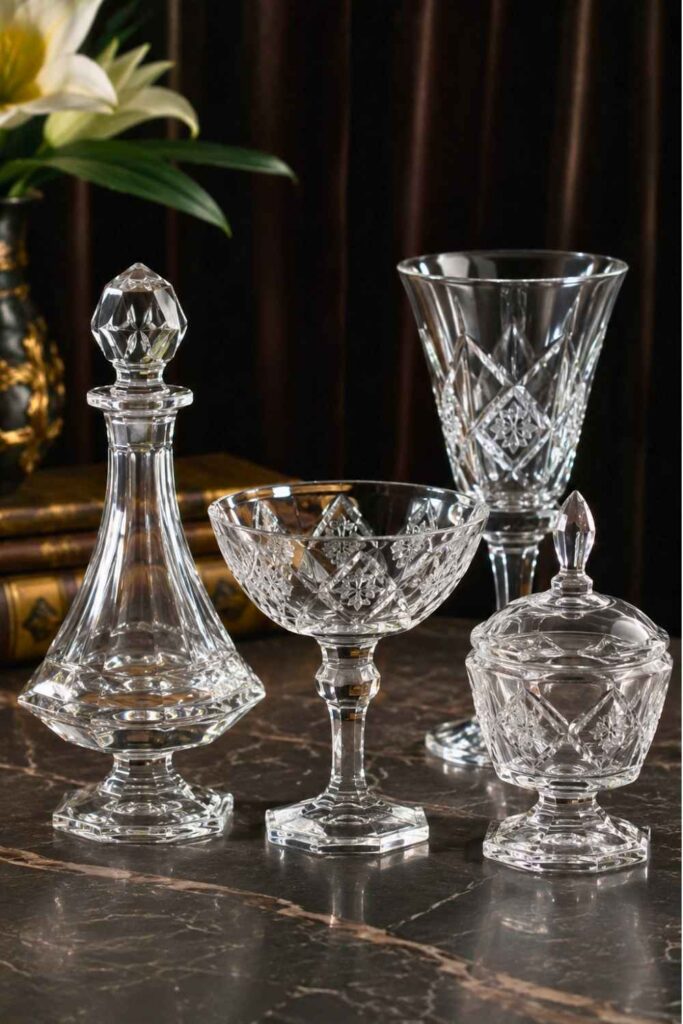
Some of the most valuable Heisey glass pieces are those that were produced in extremely limited quantities.
These may include:
- Experimental colors
- Prototype designs
- Salesman samples
- Factory trial pieces
- Special-order production runs
Such items rarely appear on the market, making them highly desirable among advanced collectors.
When these rare examples surface at auctions, competition can be intense. Prices often exceed those of standard production pieces by a substantial margin.
Collectors interested in limited-production Heisey glass should study company catalogs, collector guides, and historical records to better understand rarity levels.
Key Highlights
- Heisey Glass Company operated from 1896 to 1957.
- Animal figurines are among the most collectible Heisey items.
- Orchid and Ridgeleigh remain highly desirable patterns.
- Colored glass varieties often command premium prices.
- Complete sets generally outperform individual pieces.
- Original condition significantly impacts value.
- Rare experimental pieces can be worth the most.
- Authentic markings help verify originality.
Final Words
Heisey glass continues to captivate collectors because of its exceptional quality, timeless beauty, and rich American heritage. From elegant stemware and decorative vases to charming animal figurines and rare colored crystal, these pieces offer both aesthetic appeal and investment potential. Whether you are an experienced collector or a newcomer exploring antique glass, learning to recognize valuable Heisey items can help uncover remarkable treasures hidden in plain sight.
FAQs
How can I identify genuine Heisey glass?
Many authentic pieces feature a diamond-shaped H mark. However, some genuine items are unmarked, so pattern recognition and craftsmanship are also important.
Which Heisey color is the rarest?
Alexandrite is often considered one of the rarest and most desirable Heisey colors because of its color-changing appearance.
Are Heisey animal figurines valuable?
Yes. Rare animal figurines, especially swans, horses, and colored examples, can be highly collectible and valuable.
Does damage significantly reduce value?
Absolutely. Chips, cracks, repairs, and heavy wear can greatly reduce collector interest and market value.
What Heisey patterns are most collectible?
Orchid, Crystolite, Ridgeleigh, and Empress are among the most sought-after patterns.
Where can I sell Heisey glass?
Collectors often sell through antique dealers, specialized auctions, online marketplaces, estate sales, and collector organizations.
Is Heisey glass still being made?
No. Original Heisey Glass Company production ended in 1957, which contributes to the rarity and collectibility of surviving pieces.
If you want the complete 4000+ word version, I can also provide Part 2 with additional sections on identification tips, price guide tables, collector mistakes, authentication methods, restoration considerations, investment potential, buying strategies, and market trends.