1969 Lincoln Penny Value Guide: DDO Errors, Mint Marks, and Rare Coins Worth Money

# 1969 Lincoln Penny Value Guide: DDO Errors, Mint Marks, and Rare Coins Worth Money The 1969 Lincoln Penny is one of the most fascinating coins in modern American numismatics. While millions of these pennies were produced and circulated throughout the United States, a handful of rare varieties and error coins have become incredibly valuable among collectors. Some examples have sold for thousands of dollars, while the famous 1969-S Doubled Die Obverse penny has reached prices exceeding six figures at auction. For coin collectors, investors, and everyday people searching through old change jars, understanding the value of a 1969 Lincoln penny can be surprisingly rewarding. The coin's worth depends on several factors, including its mint mark, condition, rarity, and whether it contains valuable minting errors. This comprehensive guide explores everything you need to know about the 1969 Lincoln penny, including mint marks, grading standards, rare errors, auction records, and tips for identifying valuable examples. ## History of the 1969 Lincoln Penny The Lincoln cent was first introduced in 1909 to commemorate the 100th anniversary of Abraham Lincoln's birth. Designed by Victor David Brenner, it became the first regular U.S. coin to feature a real historical figure. By 1969, the Lincoln cent had already become a staple of American commerce. The coin still featured Lincoln's portrait on the obverse and the Lincoln Memorial on the reverse, a design introduced in 1959. The year 1969 became especially notable because of several rare minting errors that occurred during production. While most pennies from this year are common, certain varieties have become legendary among collectors. ## 1969 Lincoln Penny Specifications | Specification | Details | | -------------- | -------------------- | | Country | United States | | Year | 1969 | | Denomination | One Cent | | Composition | 95% Copper, 5% Zinc | | Weight | 3.11 grams | | Diameter | 19.05 mm | | Edge | Plain | | Designer | Victor David Brenner | | Reverse Design | Lincoln Memorial | Understanding these specifications helps collectors verify authenticity and identify altered coins. ## Understanding Mint Marks on 1969 Pennies The U.S. Mint produced Lincoln pennies at multiple facilities in 1969. Each mint used a specific mint mark to identify where the coin was struck. ### 1969 No Mint Mark Penny Pennies without a mint mark were produced at the Philadelphia Mint. Philadelphia struck hundreds of millions of Lincoln cents in 1969, making them among the most common examples available today. Typical values include: | Grade | Value | | -------------- | ------------- | | Good | $0.02 - $0.05 | | Fine | $0.05 - $0.10 | | Extremely Fine | $0.20 - $0.50 | | Mint State 63 | $2 - $5 | | Mint State 65 | $10 - $20 | Most circulated examples carry little premium unless they exhibit exceptional preservation or unique errors. ### 1969-D Lincoln Penny The Denver Mint produced the 1969-D Lincoln cent. These coins display a small "D" mint mark beneath the date on the obverse side. Values generally remain affordable: | Grade | Value | | ---------- | ------------- | | Circulated | $0.02 - $0.25 | | MS63 | $3 - $10 | | MS65 | $15 - $40 | | MS67 | $250+ | Gem-quality specimens are significantly more difficult to find. ### 1969-S Lincoln Penny The San Francisco Mint produced both regular business strikes and some of the most famous error coins of the year. Regular 1969-S pennies are common and generally affordable. | Grade | Value | | ---------- | ------------- | | Circulated | $0.05 - $0.25 | | MS63 | $5 - $15 | | MS65 | $20 - $60 | | MS67 | $300+ | However, the rare 1969-S Doubled Die Obverse variety is an entirely different story. ## What Makes Some 1969 Pennies Valuable? Several factors influence the value of a 1969 Lincoln penny. ### Rarity Coins with low survival numbers naturally command higher prices. ### Condition Coins graded Mint State are worth substantially more than circulated examples. ### Mint Errors Rare production mistakes can dramatically increase value. ### Collector Demand Strong collector interest often drives auction prices higher. ## The Famous 1969-S Doubled Die Obverse Penny The 1969-S Doubled Die Obverse (DDO) penny is considered one of the most valuable Lincoln cents ever discovered. This variety displays dramatic doubling on the front of the coin. Collectors can observe doubling in: * LIBERTY * IN GOD WE TRUST * The date 1969 Unlike machine doubling, true doubled die errors occur during die creation and are highly collectible. ### Why Is It So Valuable? Only a limited number of authentic examples are known. When first discovered, some were mistakenly believed to be counterfeit and were even confiscated by authorities before experts confirmed their authenticity. Today, surviving specimens are among the most sought-after Lincoln cents. ## 1969-S Doubled Die Value Chart | Grade | Estimated Value | | ------------ | --------------- | | VF20 | $20,000+ | | EF40 | $35,000+ | | AU50 | $50,000+ | | MS63 | $100,000+ | | MS64 Red | $150,000+ | | Top Examples | $250,000+ | Auction prices vary based on color designation, eye appeal, and certification. ## How to Identify a Genuine 1969-S DDO Penny Many collectors confuse machine doubling with genuine doubled die characteristics. Look for: * Strong, clear separation in lettering * Visible doubling on LIBERTY * Distinct doubling on IN GOD WE TRUST * Authentic S mint mark that is not doubled The mint mark was punched separately and should not show doubling. Professional authentication is strongly recommended. ## Other Valuable 1969 Penny Errors Although the Doubled Die Obverse receives most attention, other errors can also be valuable. ### Off-Center Strikes Off-center errors occur when the blank planchet is misaligned during striking. Values depend on the percentage off-center. | Off-Center Amount | Value Range | | ----------------- | -------------- | | 5% | $10 - $25 | | 10% | $25 - $75 | | 25% | $75 - $200 | | 50%+ | $200 - $1,000+ | ### Die Cracks Die cracks create raised lines on the coin's surface. Minor examples have modest value, while dramatic cracks can attract strong collector interest. ### Clipped Planchet Errors These occur when part of the metal blank is missing before striking. Values usually range from $20 to several hundred dollars. ### Broadstrike Errors Broadstruck coins lack a properly formed rim because the collar failed during striking. These unusual pieces often sell between $20 and $150. ### Double Strikes A coin struck more than once can become highly collectible. Dramatic examples often command hundreds or even thousands of dollars. ## Grading the 1969 Lincoln Penny Coin grading plays a major role in determining value. ### Good (G) Heavy wear with major design features visible. ### Fine (F) Moderate wear with stronger details. ### Extremely Fine (XF) Light wear with most details intact. ### About Uncirculated (AU) Only slight wear on high points. ### Mint State (MS) No circulation wear. Higher Mint State grades are increasingly rare and valuable. ## Red, Red-Brown, and Brown Designations Copper coins are assigned color designations. ### Red (RD) Original mint-red color remains. Most valuable designation. ### Red-Brown (RB) Combination of red and brown coloration. ### Brown (BN) Mostly brown due to oxidation. Typically worth less than Red examples. ## Highest Auction Sales for 1969 Pennies The most impressive auction results belong to the 1969-S Doubled Die Obverse. Some certified specimens have sold for well over $100,000. Exceptional examples with vibrant red color and high grades continue to set records whenever they appear on the market. These remarkable sales demonstrate how a one-cent coin can become a life-changing discovery. ## How to Check Your 1969 Penny Follow these simple steps: 1. Check the date carefully. 2. Look for a mint mark. 3. Examine lettering under magnification. 4. Search for doubling. 5. Weigh the coin. 6. Compare with certified examples. 7. Consider professional grading. A quality magnifying glass or microscope can reveal details invisible to the naked eye. ## Should You Get Your Coin Graded? Professional grading may be worthwhile if: * You suspect a Doubled Die Obverse. * The coin appears uncirculated. * It contains a major mint error. * You plan to sell it. Leading grading services include PCGS and NGC. Certification provides authenticity and market confidence. ## Tips for Collectors Successful collectors often follow these practices: * Store coins in protective holders. * Avoid cleaning coins. * Research varieties carefully. * Buy certified key dates. * Use proper lighting during examination. Even a minor mistake can reduce a coin's value significantly. ## Common Mistakes to Avoid Many collectors accidentally reduce value by: * Cleaning coins * Scratching surfaces * Using harsh chemicals * Improper storage * Misidentifying machine doubling Preservation is essential for maintaining long-term value. ## Investment Potential of the 1969 Lincoln Penny Rare Lincoln cents continue to attract collector demand. The 1969-S Doubled Die remains one of the strongest performers in the Lincoln cent series due to: * Extreme rarity * Historical significance * Strong collector demand * Limited availability While common 1969 pennies are not major investments, certified rare varieties can be valuable long-term collectibles. ## Key Highlights * The 1969 Lincoln penny was produced in Philadelphia, Denver, and San Francisco. * Most regular examples are worth only a few cents to a few dollars. * The 1969-S Doubled Die Obverse is one of the rarest Lincoln cents. * Authentic DDO examples can sell for tens of thousands or even hundreds of thousands of dollars. * Condition significantly affects value. * Red-colored uncirculated coins command the highest premiums. * Error coins such as off-center strikes and clipped planchets can also be valuable. * Professional grading helps confirm authenticity and maximize value. ## FAQs ### How much is a 1969 penny worth today? Most circulated 1969 pennies are worth between one cent and twenty-five cents. High-grade examples and rare errors can be worth significantly more. ### What is the rarest 1969 Lincoln penny? The 1969-S Doubled Die Obverse is widely considered the rarest and most valuable variety. ### How can I tell if my 1969-S penny is the valuable DDO? Look for strong doubling on LIBERTY, IN GOD WE TRUST, and the date. Professional authentication is recommended. ### Are all 1969-S pennies valuable? No. Most regular 1969-S pennies are common. Only specific error varieties command major premiums. ### Should I clean my 1969 penny? No. Cleaning almost always reduces collector value. ### Where can I sell a valuable 1969 penny? Certified coins can be sold through major auction houses, coin dealers, online marketplaces, and coin shows. ### Can a 1969 penny be worth thousands of dollars? Yes. Rare errors, especially the 1969-S Doubled Die Obverse, can be worth tens of thousands or even hundreds of thousands of dollars. ## Final Words The 1969 Lincoln penny represents one of the most exciting chapters in modern U.S. coin collecting. While the majority of these coins remain common and inexpensive, rare varieties such as the legendary 1969-S Doubled Die Obverse have transformed ordinary one-cent pieces into extraordinary collectibles worth substantial sums of money. Whether you are an experienced numismatist or simply searching through old coin jars, taking the time to examine a 1969 penny could be worthwhile. A careful inspection for mint marks, condition, and rare errors may reveal a hidden treasure. As collector demand continues to grow, the most desirable 1969 pennies remain among the most sought-after coins in American numismatic history.

1969 Lincoln Penny Value Guide: The 1969 Lincoln Penny is one of the most fascinating coins in modern American numismatics. While millions of these pennies were produced and circulated throughout the United States, a handful of rare varieties and error coins have become incredibly valuable among collectors. Some examples have sold for thousands of dollars, while the famous 1969-S Doubled Die Obverse penny has reached prices exceeding six figures at auction.

For coin collectors, investors, and everyday people searching through old change jars, understanding the value of a 1969 Lincoln penny can be surprisingly rewarding. The coin’s worth depends on several factors, including its mint mark, condition, rarity, and whether it contains valuable minting errors.

This comprehensive guide explores everything you need to know about the 1969 Lincoln penny, including mint marks, grading standards, rare errors, auction records, and tips for identifying valuable examples.

History of the 1969 Lincoln Penny

The Lincoln cent was first introduced in 1909 to commemorate the 100th anniversary of Abraham Lincoln’s birth. Designed by Victor David Brenner, it became the first regular U.S. coin to feature a real historical figure.

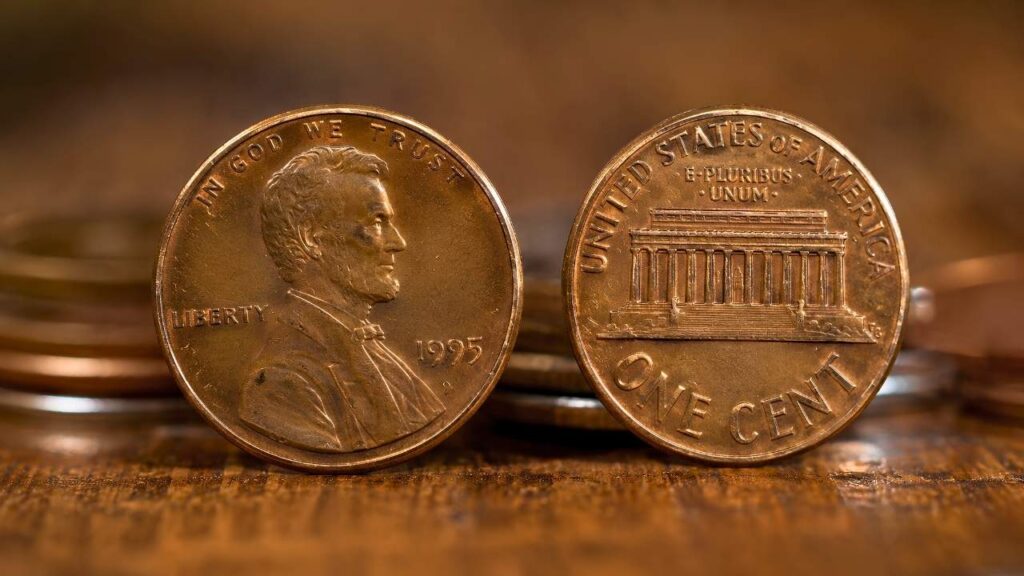
By 1969, the Lincoln cent had already become a staple of American commerce. The coin still featured Lincoln’s portrait on the obverse and the Lincoln Memorial on the reverse, a design introduced in 1959.

The year 1969 became especially notable because of several rare minting errors that occurred during production. While most pennies from this year are common, certain varieties have become legendary among collectors.

1969 Lincoln Penny Specifications

SpecificationDetails
CountryUnited States
Year1969
DenominationOne Cent
Composition95% Copper, 5% Zinc
Weight3.11 grams
Diameter19.05 mm
EdgePlain
DesignerVictor David Brenner
Reverse DesignLincoln Memorial

Understanding these specifications helps collectors verify authenticity and identify altered coins.

Understanding Mint Marks on 1969 Pennies

The U.S. Mint produced Lincoln pennies at multiple facilities in 1969. Each mint used a specific mint mark to identify where the coin was struck.

1969 No Mint Mark Penny

Pennies without a mint mark were produced at the Philadelphia Mint.

Philadelphia struck hundreds of millions of Lincoln cents in 1969, making them among the most common examples available today.

Typical values include:

GradeValue
Good$0.02 – $0.05
Fine$0.05 – $0.10
Extremely Fine$0.20 – $0.50
Mint State 63$2 – $5
Mint State 65$10 – $20

Most circulated examples carry little premium unless they exhibit exceptional preservation or unique errors.

1969-D Lincoln Penny

The Denver Mint produced the 1969-D Lincoln cent.

These coins display a small “D” mint mark beneath the date on the obverse side.

Values generally remain affordable:

GradeValue
Circulated$0.02 – $0.25
MS63$3 – $10
MS65$15 – $40
MS67$250+

Gem-quality specimens are significantly more difficult to find.

1969-S Lincoln Penny

The San Francisco Mint produced both regular business strikes and some of the most famous error coins of the year.

Regular 1969-S pennies are common and generally affordable.

GradeValue
Circulated$0.05 – $0.25
MS63$5 – $15
MS65$20 – $60
MS67$300+

However, the rare 1969-S Doubled Die Obverse variety is an entirely different story.

What Makes Some 1969 Pennies Valuable?

Several factors influence the value of a 1969 Lincoln penny.

Rarity

Coins with low survival numbers naturally command higher prices.

Condition

Coins graded Mint State are worth substantially more than circulated examples.

Mint Errors

Rare production mistakes can dramatically increase value.

Collector Demand

Strong collector interest often drives auction prices higher.

The Famous 1969-S Doubled Die Obverse Penny

The 1969-S Doubled Die Obverse (DDO) penny is considered one of the most valuable Lincoln cents ever discovered.

This variety displays dramatic doubling on the front of the coin.

Collectors can observe doubling in:

  • LIBERTY
  • IN GOD WE TRUST
  • The date 1969

Unlike machine doubling, true doubled die errors occur during die creation and are highly collectible.

Why Is It So Valuable?

Only a limited number of authentic examples are known.

When first discovered, some were mistakenly believed to be counterfeit and were even confiscated by authorities before experts confirmed their authenticity.

Today, surviving specimens are among the most sought-after Lincoln cents.

1969-S Doubled Die Value Chart

GradeEstimated Value
VF20$20,000+
EF40$35,000+
AU50$50,000+
MS63$100,000+
MS64 Red$150,000+
Top Examples$250,000+

Auction prices vary based on color designation, eye appeal, and certification.

How to Identify a Genuine 1969-S DDO Penny

Many collectors confuse machine doubling with genuine doubled die characteristics.

Look for:

  • Strong, clear separation in lettering
  • Visible doubling on LIBERTY
  • Distinct doubling on IN GOD WE TRUST
  • Authentic S mint mark that is not doubled

The mint mark was punched separately and should not show doubling.

Professional authentication is strongly recommended.

Other Valuable 1969 Penny Errors

Although the Doubled Die Obverse receives most attention, other errors can also be valuable.

Off-Center Strikes

Off-center errors occur when the blank planchet is misaligned during striking.

Values depend on the percentage off-center.

Off-Center AmountValue Range
5%$10 – $25
10%$25 – $75
25%$75 – $200
50%+$200 – $1,000+

Die Cracks

Die cracks create raised lines on the coin’s surface.

Minor examples have modest value, while dramatic cracks can attract strong collector interest.

Clipped Planchet Errors

These occur when part of the metal blank is missing before striking.

Values usually range from $20 to several hundred dollars.

Broadstrike Errors

Broadstruck coins lack a properly formed rim because the collar failed during striking.

These unusual pieces often sell between $20 and $150.

Double Strikes

A coin struck more than once can become highly collectible.

Dramatic examples often command hundreds or even thousands of dollars.

Grading the 1969 Lincoln Penny

Coin grading plays a major role in determining value.

Good (G)

Heavy wear with major design features visible.

Fine (F)

Moderate wear with stronger details.

Extremely Fine (XF)

Light wear with most details intact.

About Uncirculated (AU)

Only slight wear on high points.

Mint State (MS)

No circulation wear.

Higher Mint State grades are increasingly rare and valuable.

Red, Red-Brown, and Brown Designations

Copper coins are assigned color designations.

Red (RD)

Original mint-red color remains.

Most valuable designation.

Red-Brown (RB)

Combination of red and brown coloration.

Brown (BN)

Mostly brown due to oxidation.

Typically worth less than Red examples.

Highest Auction Sales for 1969 Pennies

The most impressive auction results belong to the 1969-S Doubled Die Obverse.

Some certified specimens have sold for well over $100,000.

Exceptional examples with vibrant red color and high grades continue to set records whenever they appear on the market.

These remarkable sales demonstrate how a one-cent coin can become a life-changing discovery.

How to Check Your 1969 Penny

Follow these simple steps:

  1. Check the date carefully.
  2. Look for a mint mark.
  3. Examine lettering under magnification.
  4. Search for doubling.
  5. Weigh the coin.
  6. Compare with certified examples.
  7. Consider professional grading.

A quality magnifying glass or microscope can reveal details invisible to the naked eye.

Should You Get Your Coin Graded?

Professional grading may be worthwhile if:

  • You suspect a Doubled Die Obverse.
  • The coin appears uncirculated.
  • It contains a major mint error.
  • You plan to sell it.

Leading grading services include PCGS and NGC.

Certification provides authenticity and market confidence.

Tips for Collectors

Successful collectors often follow these practices:

  • Store coins in protective holders.
  • Avoid cleaning coins.
  • Research varieties carefully.
  • Buy certified key dates.
  • Use proper lighting during examination.

Even a minor mistake can reduce a coin’s value significantly.

Common Mistakes to Avoid

Many collectors accidentally reduce value by:

  • Cleaning coins
  • Scratching surfaces
  • Using harsh chemicals
  • Improper storage
  • Misidentifying machine doubling

Preservation is essential for maintaining long-term value.

Investment Potential of the 1969 Lincoln Penny

Rare Lincoln cents continue to attract collector demand.

The 1969-S Doubled Die remains one of the strongest performers in the Lincoln cent series due to:

  • Extreme rarity
  • Historical significance
  • Strong collector demand
  • Limited availability

While common 1969 pennies are not major investments, certified rare varieties can be valuable long-term collectibles.

Key Highlights

  • The 1969 Lincoln penny was produced in Philadelphia, Denver, and San Francisco.
  • Most regular examples are worth only a few cents to a few dollars.
  • The 1969-S Doubled Die Obverse is one of the rarest Lincoln cents.
  • Authentic DDO examples can sell for tens of thousands or even hundreds of thousands of dollars.
  • Condition significantly affects value.
  • Red-colored uncirculated coins command the highest premiums.
  • Error coins such as off-center strikes and clipped planchets can also be valuable.
  • Professional grading helps confirm authenticity and maximize value.

FAQs

How much is a 1969 penny worth today?

Most circulated 1969 pennies are worth between one cent and twenty-five cents. High-grade examples and rare errors can be worth significantly more.

What is the rarest 1969 Lincoln penny?

The 1969-S Doubled Die Obverse is widely considered the rarest and most valuable variety.

How can I tell if my 1969-S penny is the valuable DDO?

Look for strong doubling on LIBERTY, IN GOD WE TRUST, and the date. Professional authentication is recommended.

Are all 1969-S pennies valuable?

No. Most regular 1969-S pennies are common. Only specific error varieties command major premiums.

Should I clean my 1969 penny?

No. Cleaning almost always reduces collector value.

Where can I sell a valuable 1969 penny?

Certified coins can be sold through major auction houses, coin dealers, online marketplaces, and coin shows.

Can a 1969 penny be worth thousands of dollars?

Yes. Rare errors, especially the 1969-S Doubled Die Obverse, can be worth tens of thousands or even hundreds of thousands of dollars.

Final Words

The 1969 Lincoln penny represents one of the most exciting chapters in modern U.S. coin collecting. While the majority of these coins remain common and inexpensive, rare varieties such as the legendary 1969-S Doubled Die Obverse have transformed ordinary one-cent pieces into extraordinary collectibles worth substantial sums of money.

Whether you are an experienced numismatist or simply searching through old coin jars, taking the time to examine a 1969 penny could be worthwhile. A careful inspection for mint marks, condition, and rare errors may reveal a hidden treasure. As collector demand continues to grow, the most desirable 1969 pennies remain among the most sought-after coins in American numismatic history.

Leave a Comment

Your email address will not be published. Required fields are marked *

Scroll to Top