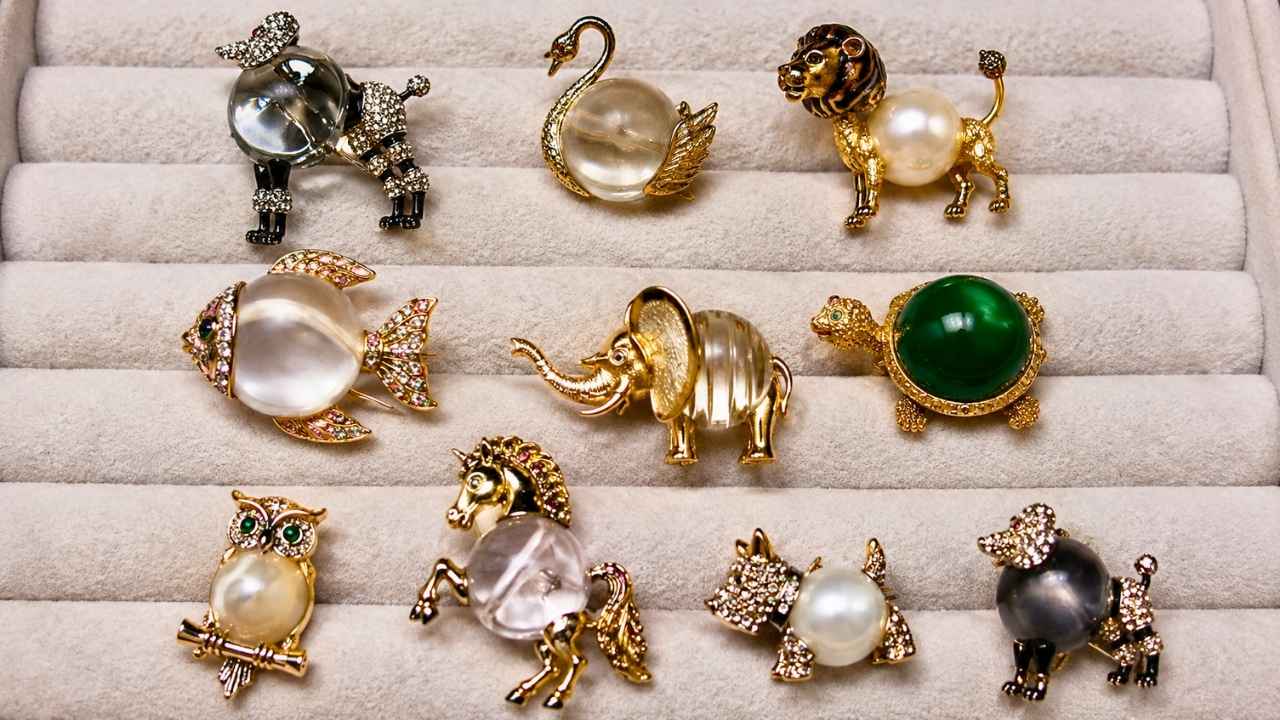
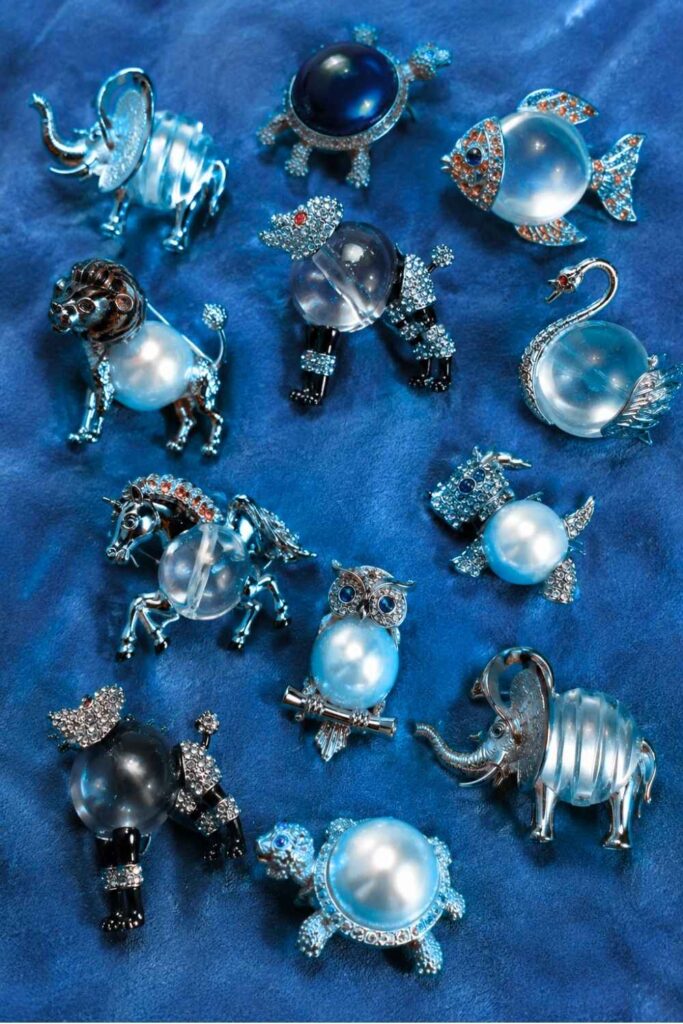
Vintage Jelly Belly Brooches: Vintage jewelry collectors are constantly searching for unique pieces that combine artistry, history, and investment potential. Among the most fascinating collectible costume jewelry items ever produced are Jelly Belly brooches. These charming figural pins, famous for their transparent Lucite bodies, have captivated collectors for decades and continue to command impressive prices in today’s vintage jewelry market.
Originally introduced during the 1940s, Jelly Belly brooches became iconic because of their distinctive design, featuring clear Lucite incorporated into animals, insects, birds, and other decorative motifs. While many vintage costume jewelry pieces remain affordable, certain rare Jelly Belly examples can sell for hundreds or even thousands of dollars.
Whether you are a seasoned collector, antique dealer, estate sale hunter, or someone who recently inherited vintage jewelry, understanding Jelly Belly brooches can help you identify valuable examples and avoid reproductions.
What Are Jelly Belly Brooches?
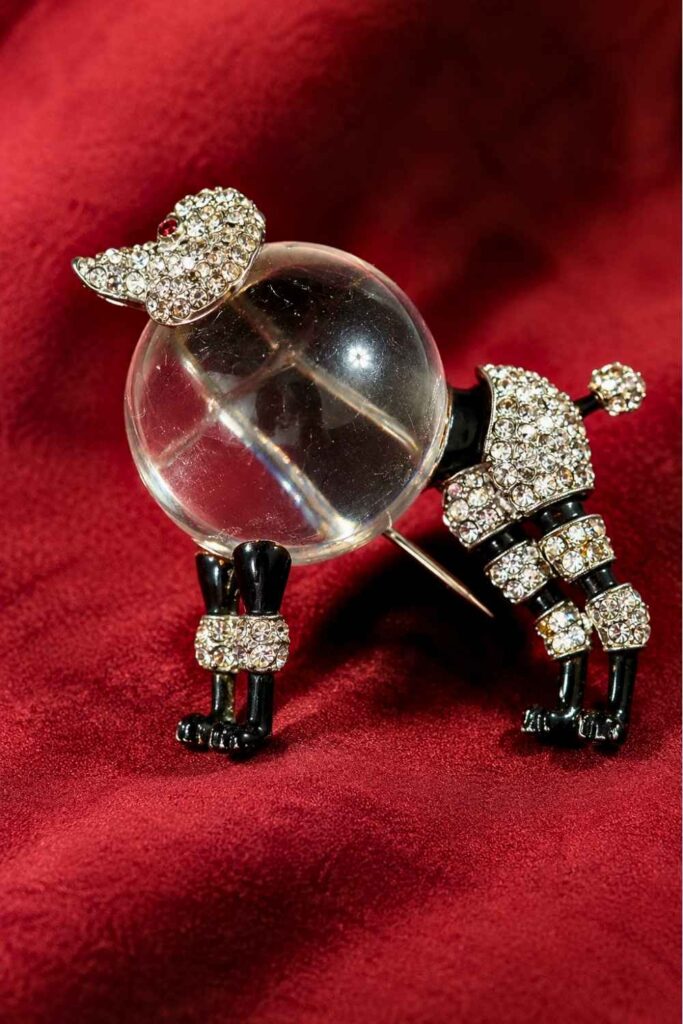
Jelly Belly brooches are vintage figural jewelry pieces that feature a polished Lucite cabochon serving as the body or belly of a figure. The surrounding framework is typically made from sterling silver or gold-plated metal and decorated with rhinestones, enamel, or colored stones.
The term “Jelly Belly” was never officially used by manufacturers. Instead, it became a nickname among collectors due to the glossy, jelly-like appearance of the Lucite centerpiece.
Most examples depict animals, birds, insects, and aquatic creatures. Their whimsical designs and high-quality craftsmanship make them highly desirable in today’s collector market.
The Fascinating History Behind Jelly Belly Jewelry
The story of Jelly Belly jewelry begins during World War II. During this period, access to many traditional jewelry materials became limited due to wartime restrictions. Designers needed innovative alternatives that were both attractive and available.
Lucite emerged as the perfect solution.
Originally developed for military applications such as aircraft windows and cockpit components, Lucite was lightweight, durable, and crystal clear. Jewelry designers quickly realized its decorative potential.
Alfred Philippe, the legendary designer for Trifari, pioneered the use of Lucite in jewelry. His creative vision transformed a practical material into an artistic statement that remains admired decades later.
The success of Trifari’s designs inspired other manufacturers such as Coro, Corocraft, and Elzac to develop their own versions of Jelly Belly jewelry.
Why Collectors Love Jelly Belly Brooches
Several factors contribute to the enduring popularity of Jelly Belly brooches.
Unique Appearance
Few vintage jewelry styles look as distinctive as Jelly Belly pieces. The clear Lucite creates a striking contrast against sparkling rhinestones and detailed metalwork.
Historical Significance
Because many examples were produced during World War II, they represent an important period in American jewelry history.
Artistic Design
Many Jelly Belly brooches showcase exceptional craftsmanship and imaginative figural designs.
Investment Potential
Rare examples have consistently increased in value over time, making them attractive to collectors and investors alike.
Understanding Lucite in Vintage Jewelry
Lucite is a transparent acrylic plastic that became widely used during the 1940s.
Authentic vintage Lucite typically exhibits:
- Slight yellowing due to age
- Light surface scratches
- Warm feel when touched
- Lightweight construction
- Soft glow under natural light
Modern replacement plastics often appear overly clear and lack the subtle aging characteristics found in original examples.
How to Identify Authentic Jelly Belly Brooches
Authentication is crucial because reproductions and altered pieces frequently appear in the marketplace.
Examine the Lucite Carefully
Original Lucite should show signs of age.
Look for:
- Mild yellow tint
- Natural wear
- Smooth polishing
- Lightweight feel
Avoid pieces with perfectly flawless modern plastic components unless provenance supports authenticity.
Check the Back Construction
The back often reveals more than the front.
Authentic pieces usually feature:
- Detailed metalwork
- Quality finishing
- Visible set screws
- Vintage clasp mechanisms
Poorly finished backs are often warning signs.
Inspect the Pin Mechanism
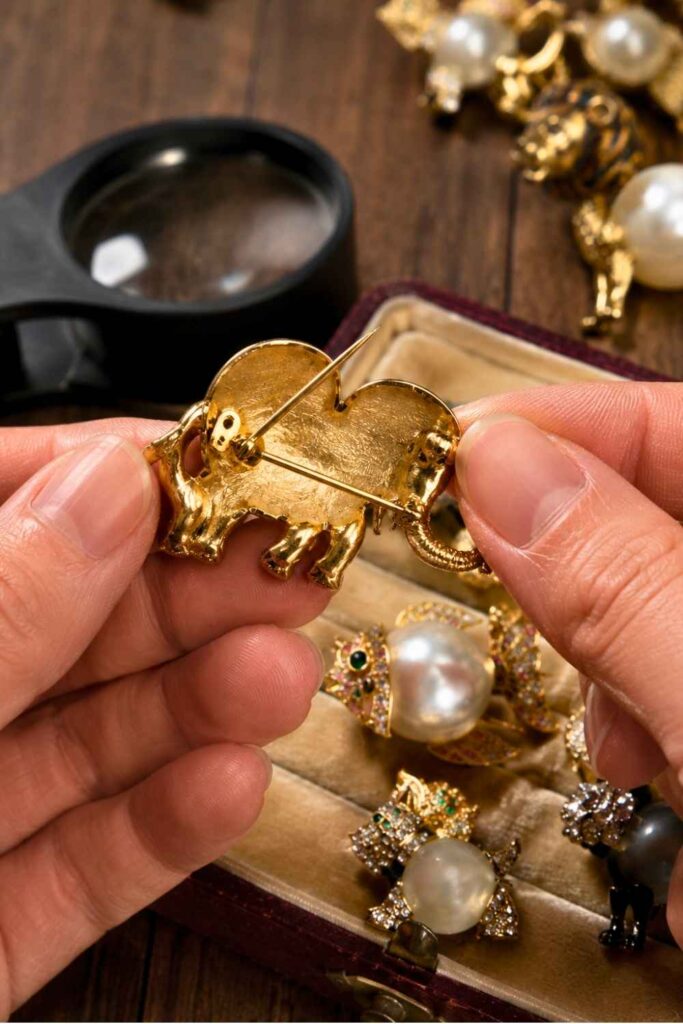
Vintage clasps differ significantly from modern replacements.
Original findings typically appear:
- Heavier
- More robust
- Less spring-loaded
- Consistent with 1940s manufacturing methods
Search for Maker’s Marks
Maker marks are among the most important authentication tools available.
Major Manufacturers of Jelly Belly Brooches
The following companies produced some of the most collectible examples.
| Manufacturer | Collectibility | Typical Value Range |
| Trifari | Very High | $300 – $5,000+ |
| Coro | High | $150 – $1,000 |
| Corocraft | High | $250 – $1,200 |
| Elzac | Moderate | $50 – $300 |
| Unmarked Sterling | Moderate | $50 – $500 |
Trifari Jelly Belly Brooches
Trifari remains the most respected name in the Jelly Belly category.
Collectors particularly seek:
- Poodles
- Herons
- Butterflies
- Seals
- Fish
- Insects
The presence of a Crown Trifari mark often significantly increases value.
Common Trifari Marks
| Mark | Meaning |
| Crown Trifari | Premium collector mark |
| Trifari © | Standard branded mark |
| Sterling | Wartime production |
| Patent Number | Design registration |
Coro and Corocraft Jelly Belly Jewelry
Coro was one of Trifari’s biggest competitors.
Their designs often featured:
- Detailed rhinestone work
- Colorful enamel
- Sterling silver construction
- Unique figural motifs
Collectors especially value Corocraft fruit baskets and angelfish duettes.
Elzac Jelly Belly Brooches
Elzac produced fewer Jelly Belly designs than larger competitors.
Although generally more affordable, Elzac pieces remain desirable because of their relative scarcity.
Common Elzac themes include:
- Ducks
- Birds
- Small animals
- Novelty figurals
Most Valuable Jelly Belly Brooch Designs
Certain designs consistently command premium prices.
Poodle Brooches
Poodles represent the pinnacle of Jelly Belly collecting. Large examples can sell for several thousand dollars.
Heron Brooches
Their elegant vertical profile makes them highly recognizable and collectible.
Butterfly Brooches
Colored Lucite butterfly examples remain particularly desirable.
Seal Brooches
Collectors appreciate the playful design and rhinestone detailing.
Spider Brooches
Well-preserved spiders with all stones intact are increasingly difficult to find.
Rare Colored Lucite Jelly Bellies
Most collectors associate Jelly Belly jewelry with clear Lucite.
However, colored Lucite examples are considerably rarer.
Popular colors include:
- Red
- Blue
- Green
- Amber
Because reproductions frequently imitate colored Lucite designs, careful authentication is essential.
The Importance of Sterling Silver
Many wartime Jelly Belly brooches were manufactured using sterling silver.
This occurred because alternative metals were restricted during World War II.
Advantages of sterling examples include:
- Higher intrinsic value
- Greater collectibility
- Better craftsmanship
- Stronger market demand
Pieces marked “Sterling” generally attract more collector interest.
Condition Factors That Affect Value
Condition dramatically impacts pricing.
Lucite Condition
Collectors prefer:
- Clear appearance
- Minimal scratches
- No cracks
- No cloudiness
Rhinestone Integrity
Missing stones can significantly reduce value.
Enamel Preservation
Chipped enamel often lowers prices considerably.
Functional Clasps
Working closures increase desirability and marketability.
Current Market Value Guide
The following table provides approximate market values.
| Type | Typical Range |
| Common Birds | $75 – $250 |
| Small Fish | $75 – $300 |
| Elzac Ducks | $50 – $150 |
| Coro Spiders | $200 – $450 |
| Trifari Seals | $300 – $600 |
| Trifari Butterflies | $350 – $700 |
| Corocraft Fruit Baskets | $500 – $1,000 |
| Trifari Herons | $400 – $1,000 |
| Trifari Poodles | $1,500 – $5,000+ |
Where to Find Jelly Belly Brooches
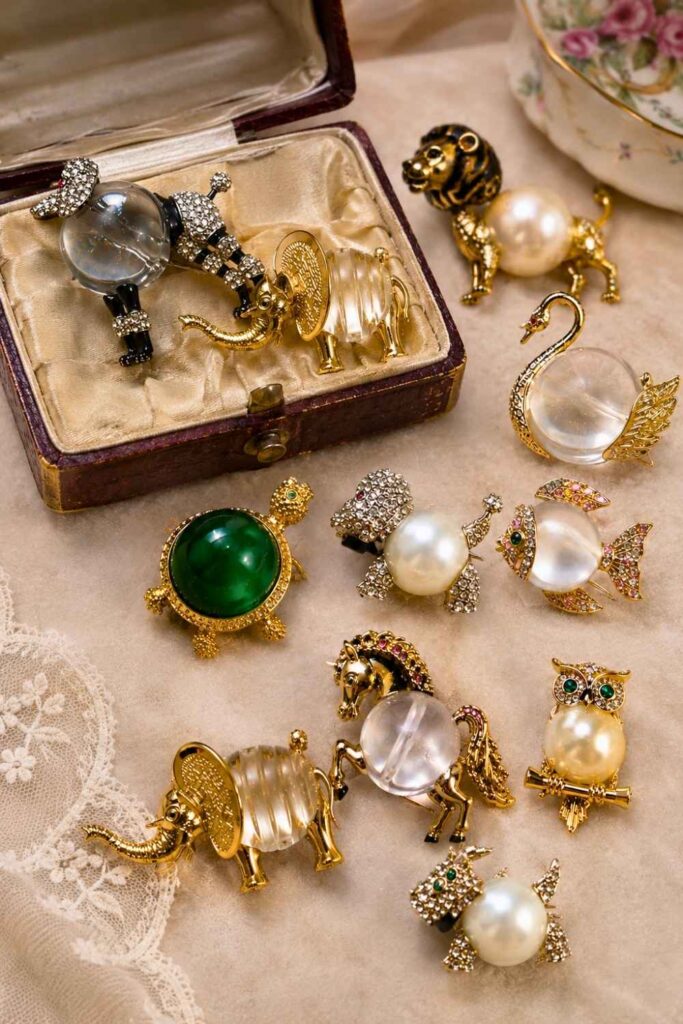
Collectors frequently discover examples through:
- Estate sales
- Antique malls
- Vintage jewelry shows
- Online auctions
- Flea markets
- Antique dealers
- Family inheritances
Patience and knowledge often lead to the best discoveries.
Common Reproduction Warning Signs
Watch for:
- Modern plastic replacements
- Missing maker marks
- Poor casting quality
- Lightweight construction
- Incorrect clasps
- Artificial aging
Always compare questionable pieces with documented originals.
Caring for Vintage Jelly Belly Brooches
Proper care helps preserve both beauty and value.
Storage Tips
- Store individually
- Use soft jewelry pouches
- Avoid direct sunlight
- Keep away from moisture
Cleaning Tips
- Use a soft microfiber cloth
- Avoid harsh chemicals
- Never soak Lucite
- Clean gently around rhinestones
Are Jelly Belly Brooches a Good Investment?
Many collectors view premium Jelly Belly brooches as strong long-term collectibles.
Reasons include:
- Limited supply
- Growing collector interest
- Historical significance
- Strong auction performance
- Recognizable designs
Rare Trifari examples continue to show particularly strong demand.
Building a Jelly Belly Collection
New collectors should focus on:
- Learning maker marks
- Studying original examples
- Understanding Lucite characteristics
- Buying quality over quantity
- Prioritizing condition
A small collection of authentic examples often outperforms a larger collection of lower-quality pieces.
Why Jelly Belly Brooches Remain Popular Today
Despite being more than eighty years old, Jelly Belly brooches continue to attract collectors worldwide.
Their appeal comes from a combination of artistic creativity, wartime history, collectible rarity, and timeless charm. Few jewelry categories offer such a unique blend of nostalgia and investment potential.
As vintage jewelry collecting continues to grow, authentic Jelly Belly brooches remain among the most recognizable and sought-after figural pieces ever produced.
Key Highlights
| Feature | Details |
|---|---|
| Origin Period | Primarily 1940s |
| Most Famous Maker | Trifari |
| Main Material | Lucite and Sterling Silver |
| Popular Designs | Poodles, Birds, Fish, Butterflies, Seals |
| Highest Value Range | $5,000+ |
| Collectibility Level | Very High |
| Common Marks | Trifari, Coro, Corocraft, Sterling |
| Key Authentication Factor | Original Lucite Belly |
| Most Valuable Era | Wartime 1940s Production |
| Investment Potential | Strong for Rare Examples |
FAQs
What is a Jelly Belly brooch?
A Jelly Belly brooch is a vintage figural pin that uses a clear or colored Lucite cabochon as the body of an animal, insect, bird, or decorative figure.
Why are Jelly Belly brooches valuable?
Their value comes from rarity, historical significance, maker reputation, craftsmanship, and collector demand.
Which company made the most valuable Jelly Belly brooches?
Trifari, particularly designs created by Alfred Philippe, generally commands the highest prices.
How can I tell if a Jelly Belly brooch is authentic?
Look for original Lucite, proper maker marks, vintage construction methods, visible set screws, and period-correct clasps.
Are all Jelly Belly brooches made from sterling silver?
No. Many wartime examples are sterling silver, while later pieces may use gold-plated base metals.
What is the most valuable Jelly Belly design?
The Trifari Poodle is widely considered one of the most valuable designs and can sell for several thousand dollars.
Can Lucite yellow over time?
Yes. Mild yellowing is normal in vintage Lucite and can help indicate age.
Do missing rhinestones affect value?
Yes. Missing stones often reduce collector value significantly.
Are colored Lucite Jelly Bellies rare?
Yes. Colored Lucite versions are generally rarer than clear examples and often attract strong collector interest.
Where can I sell a valuable Jelly Belly brooch?
You can sell through antique dealers, specialized vintage jewelry auctions, online marketplaces, and collector groups.
Final Words
Vintage Jelly Belly brooches represent one of the most fascinating chapters in costume jewelry history. Their inventive use of Lucite, charming figural designs, and strong association with wartime craftsmanship make them highly collectible today. From affordable Elzac ducks to museum-worthy Trifari poodles, these remarkable pieces continue to enchant collectors across generations.
For anyone interested in vintage jewelry, learning how to identify authentic Jelly Belly brooches is a valuable skill. By understanding maker marks, Lucite characteristics, construction details, and market trends, collectors can confidently build collections that offer both personal enjoyment and long-term value.