25 Rare and Collectible Fostoria Glassware Patterns Worth Money Today

25 Rare and Collectible Fostoria Glassware Patterns Worth Money Today

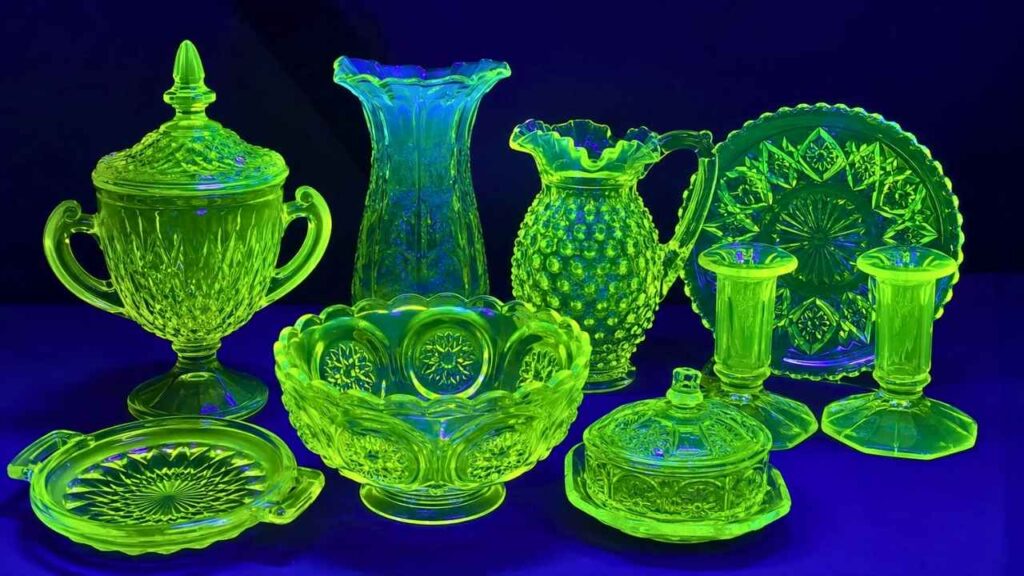
25 Rare and Collectible Fostoria: Fostoria glassware has long been one of the most admired names in American glass collecting. Known for its exceptional craftsmanship, elegant designs, and remarkable durability, Fostoria pieces continue to attract collectors, antique dealers, and vintage décor enthusiasts around the world. Established in 1887, the Fostoria Glass Company produced thousands of beautiful glassware pieces over nearly a century of operation. Today, many of its rare patterns command impressive prices in the antique market.

Collectors value Fostoria glassware for several reasons. Some patterns were produced in limited quantities, while others have become difficult to find because many pieces were damaged or discarded over time. The combination of rarity, historical significance, and timeless beauty has turned certain Fostoria patterns into highly sought-after collectibles.

Whether you are an experienced collector or someone who recently discovered a vintage glass piece in a family cabinet, understanding which patterns hold the greatest value can help you identify hidden treasures. This guide explores 25 rare and collectible Fostoria glassware patterns that remain valuable today.

Why Fostoria Glassware Remains Valuable

Several factors contribute to the lasting appeal and value of Fostoria glassware.

FactorImpact on Value
RarityLimited production increases demand
ConditionChips, cracks, and scratches reduce value
Color VariationsUncommon colors often command premium prices
Historical SignificanceOlder patterns attract serious collectors
Complete SetsMatching collections are more valuable
Market DemandPopular patterns continue appreciating

Collectors often pay premium prices for pieces that retain their original clarity, shine, and structural integrity.

Understanding Fostoria Pattern Identification

Before diving into the most valuable patterns, it is important to understand how collectors identify Fostoria glassware.

Pattern identification involves examining:

  • Etched designs
  • Geometric motifs
  • Stem shapes
  • Production dates
  • Color variations
  • Mold details

Reference books and collector guides are often used to verify authenticity and pattern names.

1. American Pattern

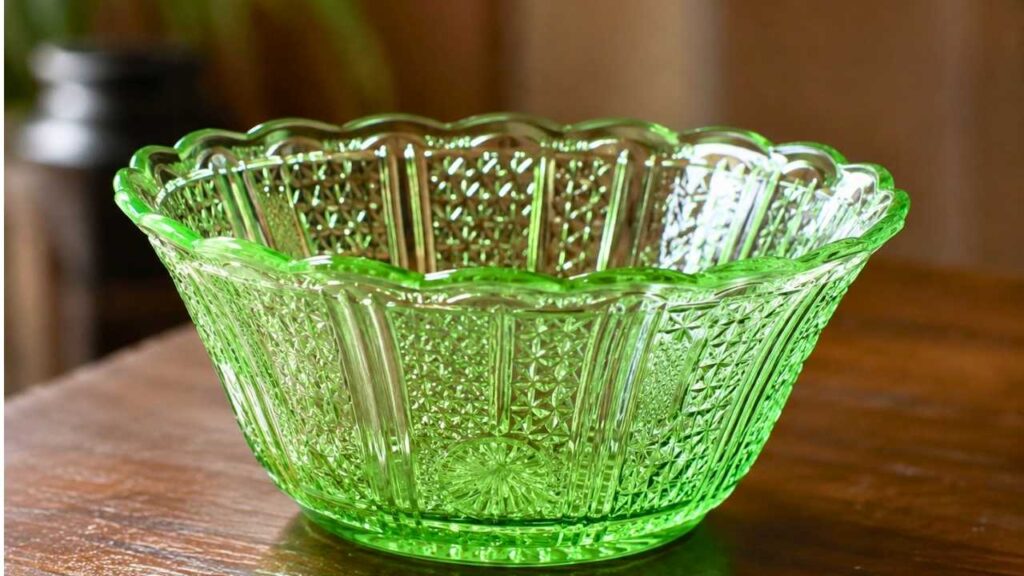
The American pattern is arguably the most famous Fostoria design ever produced. Introduced in 1915, this pattern features a distinctive cube-like geometric design that creates dazzling light reflections.

Collectors seek complete American pattern sets, especially those including serving bowls, punch sets, and rare accessories.

Estimated Value: $50–$1,500+

2. Navarre Pattern

Navarre is known for its elegant floral etching and sophisticated appearance. Produced from the 1930s onward, it became a popular wedding gift and remains highly collectible.

Rare serving pieces often sell for significantly more than standard dinnerware.

Estimated Value: $40–$800+

3. Versailles Pattern

The Versailles pattern showcases intricate floral and scrollwork etching. Its luxurious design appeals to collectors seeking decorative vintage glass.

Large centerpiece bowls are especially valuable.

Estimated Value: $75–$1,000+

4. June Pattern

Introduced during the Depression era, June features delicate floral engravings combined with elegant shapes.

Collectors particularly value complete stemware collections.

Estimated Value: $30–$700+

5. Colony Pattern

Colony glassware displays graceful floral motifs and sophisticated lines. Its timeless appearance allows it to blend seamlessly into modern and traditional interiors.

Rare serving trays often command premium prices.

Estimated Value: $40–$900+

6. Chintz Pattern

The Chintz pattern features dense floral engravings inspired by traditional fabric designs.

Because production quantities were relatively limited compared to other patterns, Chintz remains desirable among collectors.

Estimated Value: $50–$1,200+

7. Meadow Rose Pattern

Meadow Rose combines romantic floral etching with elegant forms.

Collectors frequently search for complete dining collections that include specialty serving pieces.

Estimated Value: $35–$800+

8. Romance Pattern

Romance was introduced in the mid-20th century and became one of Fostoria’s most beloved floral patterns.

Its soft, graceful design continues to attract both antique collectors and interior decorators.

Estimated Value: $40–$850+

9. Fairfax Pattern

Fairfax features clean lines and understated elegance.

Unlike heavily etched patterns, Fairfax appeals to collectors who appreciate minimalist vintage design.

Estimated Value: $25–$600+

10. Heather Pattern

Heather combines delicate floral motifs with refined craftsmanship.

Rare serving bowls and pitchers often command substantial premiums.

Estimated Value: $40–$750+

11. Century Pattern

The Century pattern stands out for its modern appearance and sleek styling.

Collectors interested in mid-century aesthetics frequently seek this design.

Estimated Value: $30–$700+

12. Virginia Pattern

Virginia glassware is admired for its graceful shape and detailed etching.

Collectors often pay more for complete stemware sets in excellent condition.

Estimated Value: $50–$1,000+

13. Brocade Pattern

Brocade features intricate decorative engraving that resembles fine textiles.

Its detailed craftsmanship makes it highly desirable among serious collectors.

Estimated Value: $50–$900+

14. Wilma Pattern

Wilma remains one of the lesser-known Fostoria patterns, contributing to its rarity today.

Collectors appreciate its unique decorative characteristics.

Estimated Value: $75–$1,200+

15. Azure Pattern

Azure pieces are highly sought after because of their stunning blue coloration.

Colored Fostoria glass often commands higher prices than clear versions.

Estimated Value: $100–$2,000+

16. Pink American Pattern

Pink American glassware combines the iconic American pattern with beautiful pink coloring.

Collectors frequently compete for rare serving pieces and complete sets.

Estimated Value: $100–$2,500+

17. Green American Pattern

Green American pieces are considerably scarcer than clear examples.

The rich color and recognizable design contribute to strong market demand.

Estimated Value: $80–$2,000+

18. Ruby Red Pieces

Ruby-colored Fostoria glassware is highly prized due to limited production.

Collectors particularly seek goblets and centerpiece bowls.

Estimated Value: $150–$3,000+

19. Jamestown Pattern

Jamestown features colonial-inspired design elements and practical functionality.

Collectors appreciate its historical charm and versatility.

Estimated Value: $30–$700+

20. Holly Pattern

The Holly pattern is popular among holiday collectors due to its festive design.

Seasonal demand often boosts market value.

Estimated Value: $40–$800+

21. Baroque Pattern

Baroque reflects ornate artistic influences with intricate decorative details.

Larger pieces frequently achieve impressive auction prices.

Estimated Value: $75–$1,500+

22. Regal Pattern

Regal glassware lives up to its name with sophisticated styling and decorative appeal.

Collectors value unusual serving accessories most highly.

Estimated Value: $50–$1,000+

23. Mayflower Pattern

Mayflower incorporates elegant floral themes and timeless craftsmanship.

Complete collections remain difficult to assemble today.

Estimated Value: $40–$850+

24. Lafayette Pattern

Lafayette is less commonly encountered, increasing its desirability among collectors.

Rare examples can generate significant interest at auctions.

Estimated Value: $75–$1,400+

25. Trojan Pattern

Trojan remains one of the more elusive Fostoria designs.

Collectors specializing in uncommon patterns often pay premium prices when pieces become available.

Estimated Value: $100–$2,500+

Most Valuable Fostoria Patterns at a Glance

PatternRarity LevelEstimated Value Range
AmericanHigh$50–$1,500+
NavarreHigh$40–$800+
VersaillesHigh$75–$1,000+
ChintzVery High$50–$1,200+
AzureExtremely High$100–$2,000+
Pink AmericanExtremely High$100–$2,500+
Green AmericanExtremely High$80–$2,000+
Ruby RedRare$150–$3,000+
LafayetteRare$75–$1,400+
TrojanRare$100–$2,500+

How to Determine the Value of Your Fostoria Glassware

Several factors influence market value.

Condition Matters

Pieces free from cracks, chips, cloudiness, and repairs generally command the highest prices.

Original Sets Are Worth More

Complete collections are often more valuable than individual pieces.

Rare Colors Increase Demand

Colored glass variations typically sell for more than clear glass.

Specialty Pieces Bring Higher Prices

Punch bowls, cake stands, centerpieces, and serving accessories often outperform standard dinnerware.

Provenance Adds Appeal

Documented ownership history can increase collector interest.

Where to Sell Valuable Fostoria Glassware

Collectors have several options when selling rare pieces:

  • Antique dealers
  • Estate sales
  • Online auction platforms
  • Vintage glass collector groups
  • Antique malls
  • Specialty auctions

Professional appraisals can help establish realistic pricing before listing valuable items.

Caring for Collectible Fostoria Glassware

Proper care preserves both beauty and value.

Important care tips include:

  • Hand wash only
  • Avoid sudden temperature changes
  • Store pieces separately
  • Use padded shelving
  • Handle stemware carefully
  • Avoid abrasive cleaning products

Preserving original condition is one of the most important aspects of maintaining collectible value.

Why Collectors Continue Investing in Fostoria Glass

Fostoria glassware represents a unique combination of artistry, craftsmanship, and American manufacturing history. Unlike many modern collectibles, these pieces were created with exceptional attention to detail and have already demonstrated decades of enduring appeal.

As supplies become increasingly limited and collector interest remains strong, many rare patterns continue appreciating in value. Whether displayed in a cabinet, used for special occasions, or held as an investment, Fostoria glassware remains one of the most respected names in vintage glass collecting.

Key Highlights

  • Fostoria Glass Company operated from 1887 to 1986.
  • American pattern remains the most recognizable Fostoria design.
  • Colored variations often sell for significantly more than clear glass.
  • Rare serving pieces usually command higher prices than standard tableware.
  • Condition is one of the biggest factors affecting value.
  • Complete matching sets are highly sought after by collectors.
  • Ruby Red, Pink American, Azure, and Trojan patterns rank among the most valuable.
  • Demand for authentic vintage Fostoria glass remains strong in today’s antique market.
  • Proper identification and preservation can greatly impact resale value.
  • Many rare pieces continue appreciating due to limited availability.

Final Words

Collecting Fostoria glassware offers far more than financial rewards. Each piece represents a chapter in American decorative arts history and showcases the remarkable craftsmanship that made the company famous for nearly a century. From the iconic American pattern to elusive treasures like Trojan and Azure, these glassware designs continue captivating collectors across generations.

Whether you are building a collection, evaluating inherited glassware, or searching antique shops for hidden gems, understanding the most valuable Fostoria patterns can help you recognize pieces that deserve special attention. As rare examples become harder to find, the fascination with Fostoria glassware is likely to remain strong for years to come.

FAQs

What is the most valuable Fostoria glassware pattern?

The American pattern in rare colors such as pink, green, and ruby red is often among the most valuable. Specialty serving pieces can sell for thousands of dollars.

How can I identify authentic Fostoria glassware?

Collectors identify authentic pieces through pattern recognition, shape analysis, production records, and reference guides dedicated to Fostoria glass.

Does colored Fostoria glass have higher value?

Yes. Colored variations such as pink, green, blue, and ruby red typically command higher prices due to their rarity.

Are complete Fostoria sets worth more than individual pieces?

Complete matching sets generally have significantly higher value because collectors prefer acquiring coordinated collections.

Can damaged Fostoria glass still be valuable?

Minor wear may not drastically affect value, but chips, cracks, repairs, and cloudiness often reduce prices substantially.

Where can I get my Fostoria glass appraised?

Professional antique appraisers, vintage glass specialists, and auction houses can provide accurate valuations.

Is Fostoria glass still being produced?

No. The Fostoria Glass Company ceased operations in 1986, making original pieces collectible antiques today.

Which Fostoria pattern is easiest to find?

The American pattern is one of the most widely available due to its long production run, though rare colors and specialty pieces remain difficult to find.

How should Fostoria glass be cleaned?

Hand washing with mild soap and warm water is recommended. Avoid dishwashers and abrasive cleaning materials.

Is collecting Fostoria glass a good investment?

While values can fluctuate, rare patterns and well-preserved pieces have historically maintained strong collector demand and often appreciate over time.

Leave a Comment

Your email address will not be published. Required fields are marked *

Scroll to Top