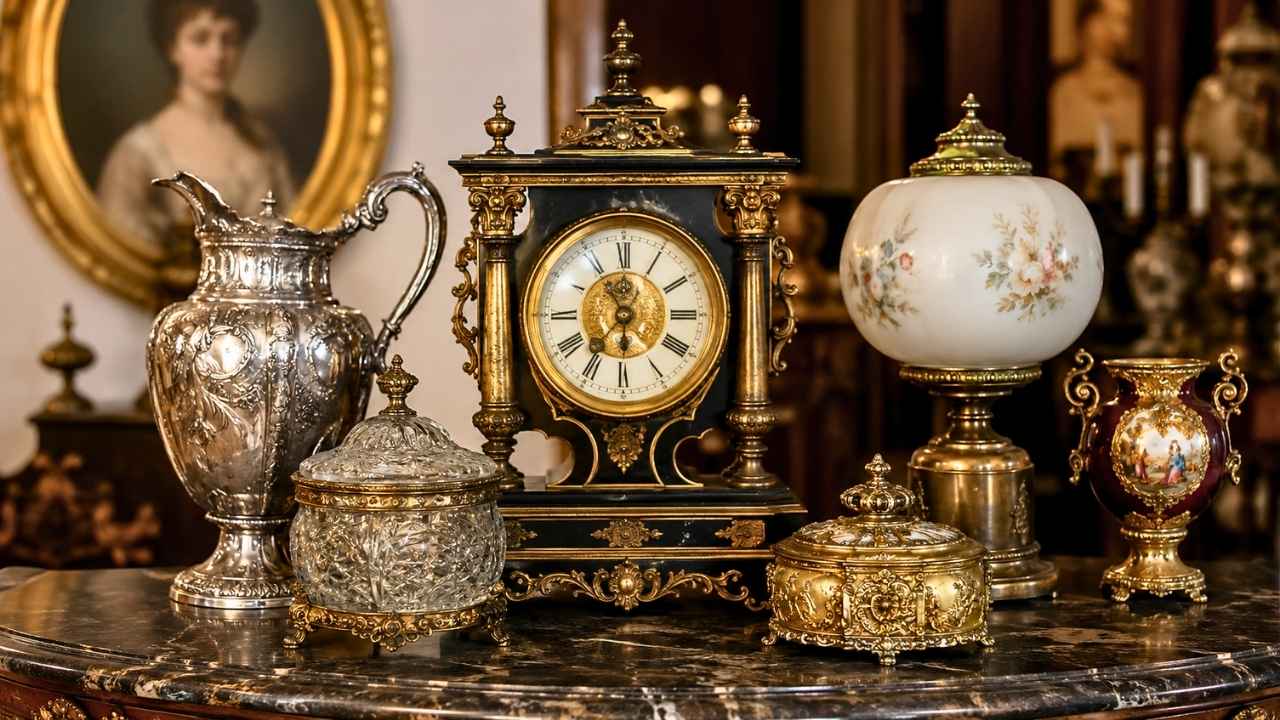
Victorian Antiques: Victorian antiques continue to captivate collectors, historians, and interior design enthusiasts around the world. Produced during Queen Victoria’s reign from 1837 to 1901, these remarkable pieces represent one of the most influential periods in decorative arts and craftsmanship. The Victorian era was marked by innovation, industrial growth, artistic creativity, and exceptional attention to detail, making many surviving antiques highly desirable today.
Whether discovered in family attics, inherited through generations, or purchased at estate sales, certain Victorian antiques have appreciated significantly in value. Some rare examples have sold for thousands—or even tens of thousands—of dollars depending on their condition, rarity, maker, and provenance.
This guide explores twelve valuable Victorian antiques, explains what makes them so desirable, and provides practical tips for identifying authentic pieces.
Quick Overview of Valuable Victorian Antiques
| Antique Piece | Typical Victorian Period | Estimated Value Range |
|---|---|---|
| Walnut Marble-Top Sideboard | 1860–1895 | $1,000–$8,000 |
| Cast Iron Garden Furniture | 1850–1900 | $800–$6,500 |
| Tiffany Style Lamps | Late Victorian | $2,000–$40,000+ |
| Sterling Silver Tea Sets | 1840–1900 | $1,500–$12,000 |
| Cameo Jewelry | 1840–1895 | $300–$8,000 |
| Mahogany Secretary Desk | 1840–1890 | $2,000–$15,000 |
| Porcelain Figurines | 1850–1900 | $500–$10,000 |
| Victorian Clocks | 1840–1900 | $700–$20,000 |
| Brass Bed Frames | 1870–1900 | $800–$5,500 |
| Mourning Jewelry | 1840–1885 | $500–$7,500 |
| Oil Paintings | Victorian Era | $1,000–$50,000+ |
| Cut Glass Punch Bowls | 1880–1900 | $400–$5,000 |
Why Victorian Antiques Remain So Valuable
Victorian antiques offer more than decorative appeal—they tell the story of a transformative era. During Queen Victoria’s reign, artisans combined traditional handcrafting techniques with emerging industrial technologies, creating furniture, jewelry, ceramics, and decorative objects that showcased remarkable quality.
Collectors appreciate Victorian pieces because many were made using solid hardwoods, sterling silver, hand-cut crystal, and fine porcelain rather than modern mass-produced materials. Limited production numbers, historical significance, and exceptional craftsmanship have helped these antiques maintain strong market demand.
Condition also plays a major role. Original finishes, complete hardware, documented history, and minimal restoration often increase an antique’s value considerably.
1. Walnut Marble-Top Sideboards
Victorian dining rooms frequently featured impressive walnut sideboards topped with genuine marble. These large furniture pieces displayed elaborate carvings, mirrored backs, turned columns, and decorative moldings.
Authentic examples often include:
- Solid walnut construction
- White or black marble tops
- Original brass hardware
- Hand-carved floral details
- Dovetail drawer joints
Large, well-preserved sideboards from respected cabinetmakers can command several thousand dollars, especially when the marble remains undamaged.
2. Cast Iron Garden Furniture
Victorian gardens became symbols of elegance, leading to widespread popularity of decorative cast iron benches, chairs, and tables.
Many surviving pieces feature intricate floral, vine, or scrollwork patterns that remain difficult to replicate today.
Factors affecting value include:
- Original paint
- Manufacturer’s markings
- Complete matching sets
- Minimal rust damage
- Decorative casting quality
Well-restored garden furniture remains highly sought after by collectors and homeowners alike.
3. Tiffany Style Lamps
Among the most recognizable Victorian collectibles are stained-glass lamps inspired by the artistic designs of the late nineteenth century.
Original examples featuring handcrafted stained-glass shades can achieve extraordinary auction prices due to their rarity and artistic importance.
Collectors carefully examine:
- Bronze bases
- Signed components
- Hand-cut glass
- Original wiring components
- Authentic patina
Even high-quality unsigned Victorian stained-glass lamps often sell for impressive amounts.
4. Sterling Silver Tea Sets
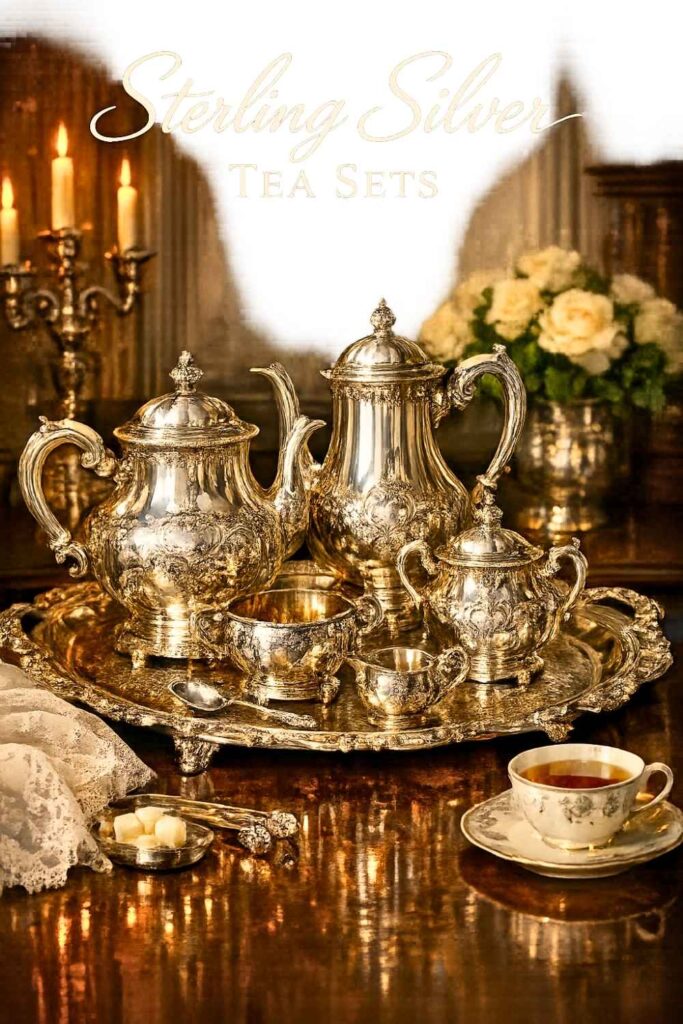
Tea played an essential role in Victorian society, encouraging silversmiths to create beautifully crafted tea services.
A complete tea service may include:
- Teapot
- Sugar bowl
- Cream pitcher
- Waste bowl
- Serving tray
Hallmarks help identify the manufacturer, silver purity, production city, and year of manufacture. Sets from respected silversmiths remain especially valuable.
5. Cameo Jewelry
Victorian women adored cameo jewelry, which often featured carved portraits made from shell, coral, lava stone, or hardstone.
Popular forms included:
- Brooches
- Necklaces
- Bracelets
- Earrings
- Rings
Hand-carved cameos displaying exceptional detail typically outperform machine-made examples in today’s market.
Gold settings and signed pieces further increase value.
6. Mahogany Secretary Desks
Victorian secretary desks combined beauty with functionality.
These elegant writing desks often contain:
- Hidden compartments
- Secret drawers
- Pigeonholes
- Bookcases
- Leather writing surfaces
Fine mahogany, walnut, or rosewood examples with original interiors remain highly collectible.
Desks retaining their original locks and keys generally attract stronger buyer interest.
7. Victorian Porcelain Figurines
Decorative porcelain became increasingly popular throughout the Victorian era.
Manufacturers produced figurines representing:
- Children
- Royal figures
- Animals
- Musicians
- Classical themes
Collectors inspect painted details, factory marks, glaze quality, and overall condition before determining value.
Even minor chips or repairs may significantly reduce prices.
8. Victorian Mantel and Wall Clocks
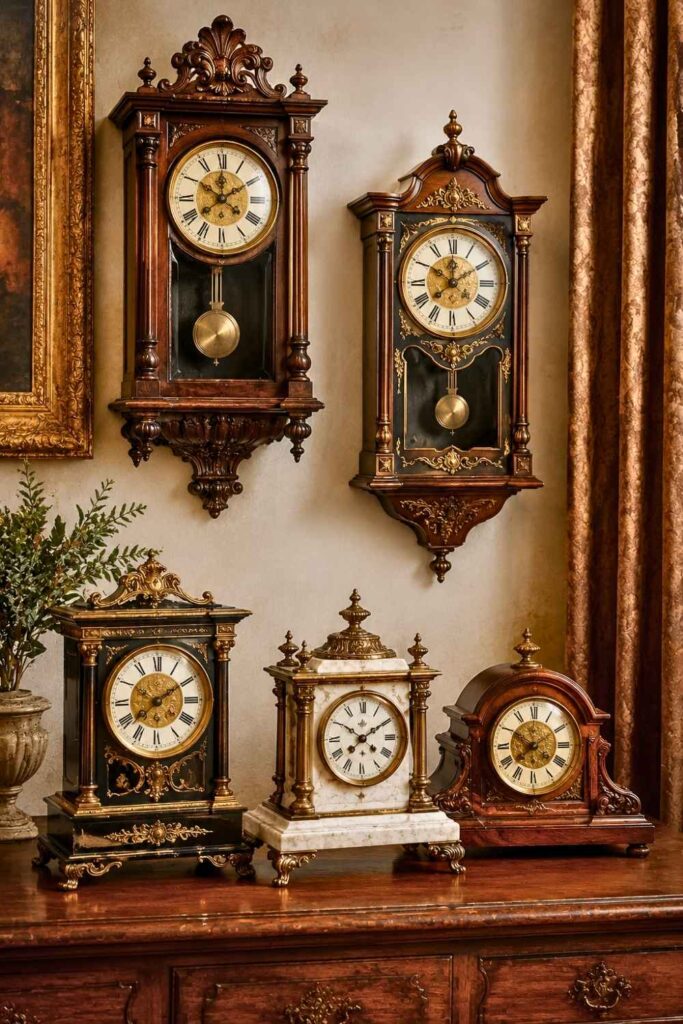
Victorian clocks combined mechanical precision with decorative artistry.
Popular materials included:
- Oak
- Walnut
- Marble
- Slate
- Brass
Original movements that continue functioning properly are especially desirable.
Clockmakers often incorporated ornate carvings, gilded accents, and decorative enamel dials.
Exceptional examples from respected manufacturers frequently sell for thousands of dollars.
9. Brass Bed Frames
Victorian brass beds remain popular for both antique collectors and interior designers.
Quality examples feature:
- Solid brass construction
- Decorative finials
- Intricate spindle work
- Original side rails
- Heavy cast fittings
Many antique brass beds have survived remarkably well due to the durability of their materials.
Matching headboards and footboards substantially improve overall value.
10. Victorian Mourning Jewelry
Following the death of Prince Albert in 1861, mourning jewelry became deeply fashionable throughout Victorian society.
Common materials included:
- Jet
- Onyx
- Black enamel
- Woven hair
- Gold
These sentimental pieces often contain memorial inscriptions, photographs, or intricate hairwork hidden beneath crystal compartments.
Rare mourning jewelry with documented family history can command premium prices.
11. Victorian Oil Paintings
Victorian artists produced landscapes, portraits, still lifes, and historical scenes using traditional oil painting techniques.
Collectors evaluate paintings based on:
- Artist reputation
- Provenance
- Subject matter
- Canvas condition
- Original frame
Signed works by recognized Victorian painters often appreciate steadily over time.
Original frames can add considerable value when preserved.
12. Cut Glass Punch Bowls and Serving Pieces
Late Victorian entertaining emphasized elegance, leading to widespread popularity of brilliant cut glass.
These luxurious serving pieces often feature:
- Deep geometric cuts
- Starburst bases
- Scalloped edges
- Heavy crystal
- Matching cups
The finest examples display extraordinary craftsmanship that catches and reflects light beautifully.
Complete punch bowl sets remain relatively uncommon and therefore more valuable.
How to Identify Authentic Victorian Antiques
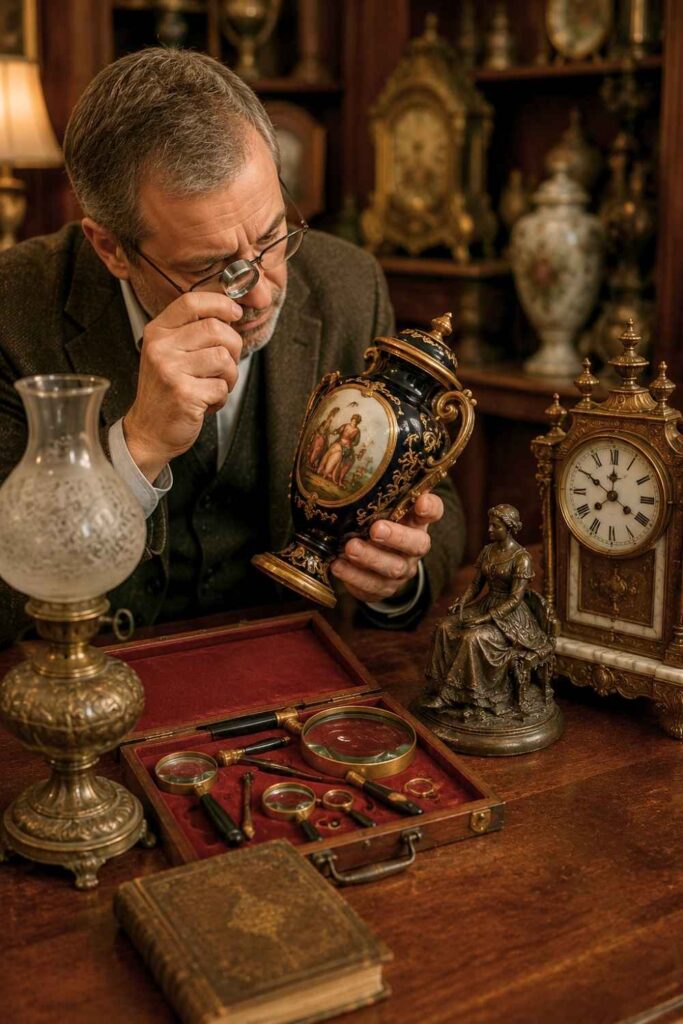
Recognizing genuine Victorian antiques requires careful observation and patience.
Look for these common characteristics:
| Feature | Authentic Victorian Example |
|---|---|
| Wood | Solid hardwood instead of plywood |
| Joinery | Hand-cut dovetails |
| Hardware | Brass or bronze with natural wear |
| Finish | Original shellac or aged varnish |
| Tool Marks | Handcrafted imperfections |
| Weight | Heavier than modern reproductions |
| Materials | Marble, solid wood, sterling silver, genuine crystal |
Avoid assuming age based solely on appearance. Many reproductions imitate Victorian designs surprisingly well.
What Makes Victorian Antiques Worth More?
Several factors influence market value.
Rarity is often the biggest factor. Limited-production pieces or items from famous manufacturers naturally attract more interest.
Condition matters equally. Collectors generally prefer antiques with original finishes rather than heavily refinished examples.
Documentation such as purchase receipts, family records, or auction history can substantially increase confidence among buyers.
Original components—including locks, keys, mirrors, hardware, and decorative elements—also enhance value.
Finally, demand changes over time. Furniture styles, decorative trends, and collector preferences influence auction prices from year to year.
Tips Before Buying or Selling Victorian Antiques
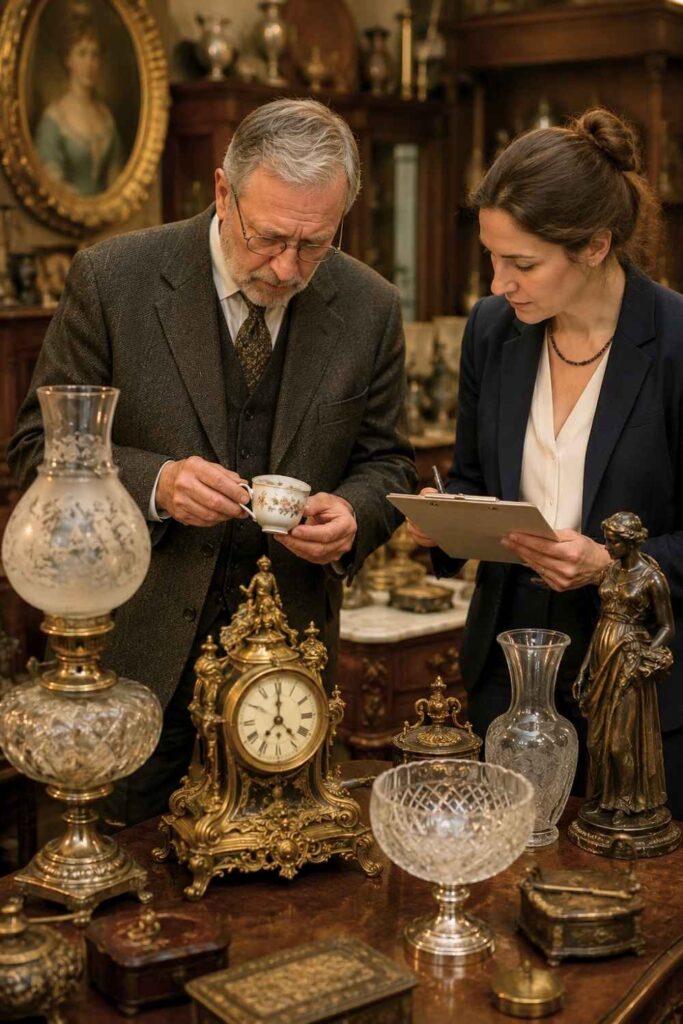
Whether you’re a first-time collector or an experienced dealer, following a few best practices can help you make informed decisions.
- Examine maker’s marks carefully.
- Look for evidence of repairs.
- Avoid aggressive cleaning.
- Preserve original finishes whenever possible.
- Request professional appraisals for valuable items.
- Photograph every detail before selling.
- Research recent auction prices.
- Store antiques in stable humidity and temperature conditions.
Small details often separate a thousand-dollar antique from one worth much more.
Caring for Victorian Antiques
Proper maintenance helps preserve both beauty and value.
Dust furniture regularly using a soft microfiber cloth.
Avoid placing antiques in direct sunlight, as prolonged exposure may fade wood finishes, textiles, and artwork.
Maintain moderate humidity levels to prevent wood from cracking or warping.
Silver should be polished only when necessary using products specifically designed for antique sterling.
Porcelain and glass should always be handled with clean hands and supported from the base rather than delicate handles.
Routine preventive care is far safer than attempting major restoration after damage occurs.
Key Highlights
- Victorian antiques date from approximately 1837 to 1901.
- Original craftsmanship remains one of their greatest strengths.
- Marble-top furniture, sterling silver, stained-glass lamps, and fine clocks often command the highest prices.
- Provenance and original condition significantly increase value.
- Hallmarks, maker’s marks, and authentic construction techniques help identify genuine antiques.
- Careful preservation protects both historical importance and financial value.
- Professional appraisals are recommended before selling rare pieces.
Final Words
Victorian antiques continue to fascinate collectors because they combine remarkable craftsmanship, historical significance, and timeless beauty. While many everyday Victorian household items remain affordable, rare examples crafted from premium materials or produced by respected makers can be worth thousands of dollars today.
Whether you inherit an ornate sideboard, discover a sterling silver tea set, or stumble upon an antique stained-glass lamp at an estate sale, taking the time to research and authenticate the piece can prove rewarding. Preserving original finishes, documenting provenance, and seeking expert advice are among the best ways to protect the long-term value of these remarkable treasures.
For collectors, every Victorian antique represents more than a decorative object—it is a surviving piece of history that continues to tell the story of one of the world’s most influential artistic eras.
Frequently Asked Questions (FAQs)
1. What years are considered the Victorian era?
The Victorian era spans from 1837 to 1901, corresponding to the reign of Queen Victoria.
2. Which Victorian antiques are worth the most?
Original Tiffany-style lamps, sterling silver tea services, fine mahogany furniture, rare clocks, and signed oil paintings are among the most valuable Victorian antiques.
3. How can I tell if my Victorian furniture is authentic?
Look for solid hardwood construction, hand-cut dovetail joints, original brass hardware, natural aging, and signs of handcrafted workmanship rather than modern machine production.
4. Does restoring a Victorian antique increase its value?
Not always. Excessive restoration may reduce value. Collectors often prefer antiques with original finishes and minimal repairs.
5. Where can I sell valuable Victorian antiques?
You can sell through reputable antique dealers, estate auctions, specialty auction houses, antique fairs, and established online antique marketplaces.
6. How do I know if my silver is genuine Victorian sterling?
Check for British hallmarks, maker’s marks, date letters, and sterling silver purity stamps. Professional evaluation is recommended for valuable pieces.
7. Are Victorian antiques a good investment?
High-quality Victorian antiques with documented provenance and excellent condition have historically maintained strong collector demand, although values can fluctuate with market trends.
8. What is the biggest mistake collectors make?
Over-cleaning, replacing original parts, or refinishing antiques can significantly reduce their historical authenticity and market value.