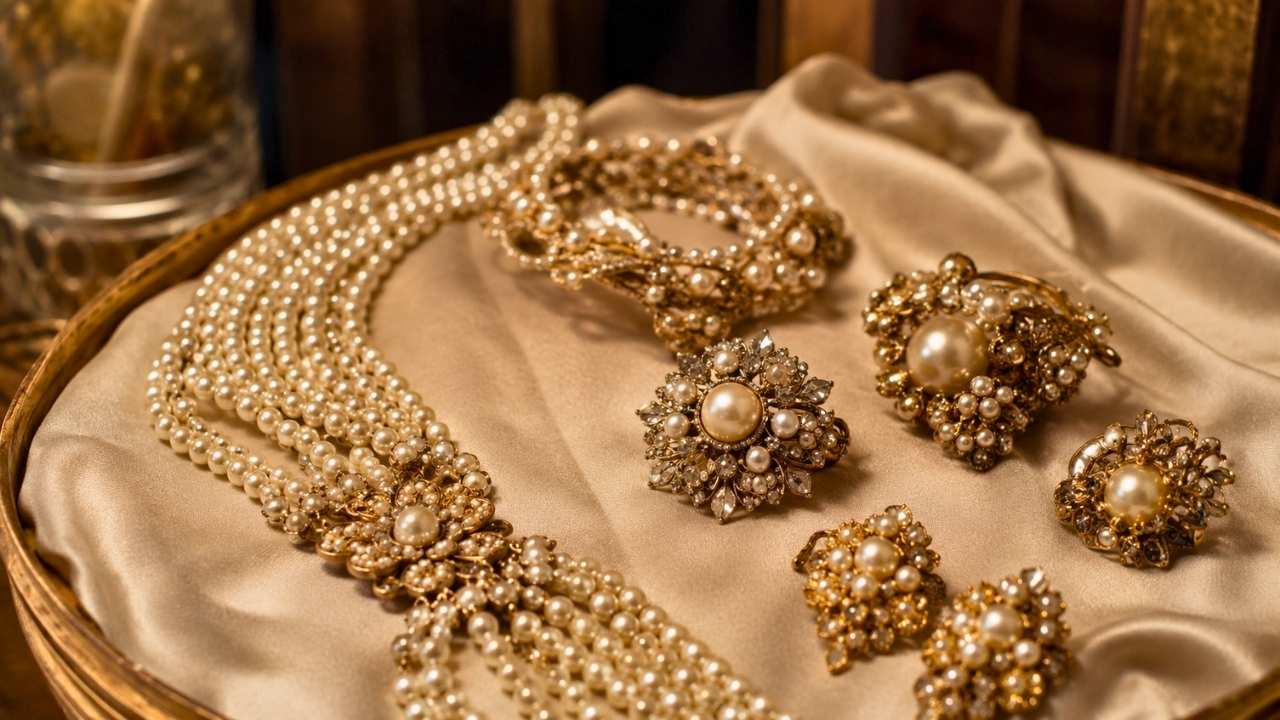
Vintage Miriam Haskell Jewelry Value Guide: Vintage jewelry collectors often speak about a few legendary names that transformed costume jewelry into wearable art. Among those iconic names, Miriam Haskell stands in a class of her own. Known for intricate hand-crafted designs, luxurious faux pearls, ornate metalwork, and exceptional attention to detail, Miriam Haskell jewelry remains one of the most sought-after categories in the vintage jewelry market.
Whether you are a passionate collector, an antique dealer, or someone who recently inherited a jewelry box filled with vintage treasures, understanding the value of Miriam Haskell jewelry can help you identify rare pieces and determine their current market worth.
This comprehensive guide explores the history, identifying features, signature styles, rarity factors, pricing trends, and collecting tips for vintage Miriam Haskell jewelry.
The History of Miriam Haskell Jewelry
Miriam Haskell founded her jewelry company in New York City in 1926. Unlike many jewelry brands of the era that focused on mass production, Haskell emphasized artistry, craftsmanship, and quality materials.
The company quickly gained popularity among Hollywood stars, socialites, and fashion-conscious women. During the Golden Age of Hollywood, celebrities regularly wore Miriam Haskell creations, helping the brand establish a reputation for elegance and sophistication.
One of the most influential designers associated with the brand was Frank Hess, who helped create many of the company’s most celebrated designs. His artistic vision contributed significantly to the distinctive look collectors recognize today.
From the 1920s through the 1960s, Miriam Haskell jewelry evolved through various fashion trends while maintaining its signature handcrafted appeal.
Why Miriam Haskell Jewelry Is So Valuable
Several factors contribute to the enduring value of vintage Miriam Haskell jewelry.
Exceptional Craftsmanship
Unlike many costume jewelry manufacturers that relied heavily on machine production, Miriam Haskell pieces were often assembled by hand. The attention to detail remains visible decades later.
High-Quality Materials
Although technically considered costume jewelry, Haskell pieces frequently incorporated:
- Faux pearls
- Art glass beads
- Austrian crystals
- Rhinestones
- Filigree metalwork
- Gilded brass components
Limited Production Methods
Many vintage pieces involved labor-intensive assembly techniques that are no longer commonly used, making surviving examples highly collectible.
Strong Collector Demand
Miriam Haskell enjoys a dedicated global collector base. Rare and well-preserved pieces frequently command premium prices at auctions and specialty dealers.
How to Identify Authentic Miriam Haskell Jewelry
Correct identification is the first step toward determining value.
Look for Signature Marks
Different periods used different markings.
| Era | Common Markings |
|---|---|
| 1920s–1930s | Often unsigned |
| 1940s | Paper hang tags |
| 1950s | Oval cartouche signatures |
| 1960s | Metal plaques with brand name |
| Later Years | Various stamped marks |
The absence of a signature does not automatically indicate a fake. Many early pieces were never marked.
Examine the Construction
Authentic Miriam Haskell jewelry often displays:
- Hand-wired beads
- Complex layering
- Intricate metal filigree
- High-quality assembly
- Consistent craftsmanship
Check the Back of the Piece
Collectors frequently inspect the reverse side because authentic vintage Haskell jewelry often reveals careful hand assembly rather than machine manufacturing.
Signature Styles That Collectors Love
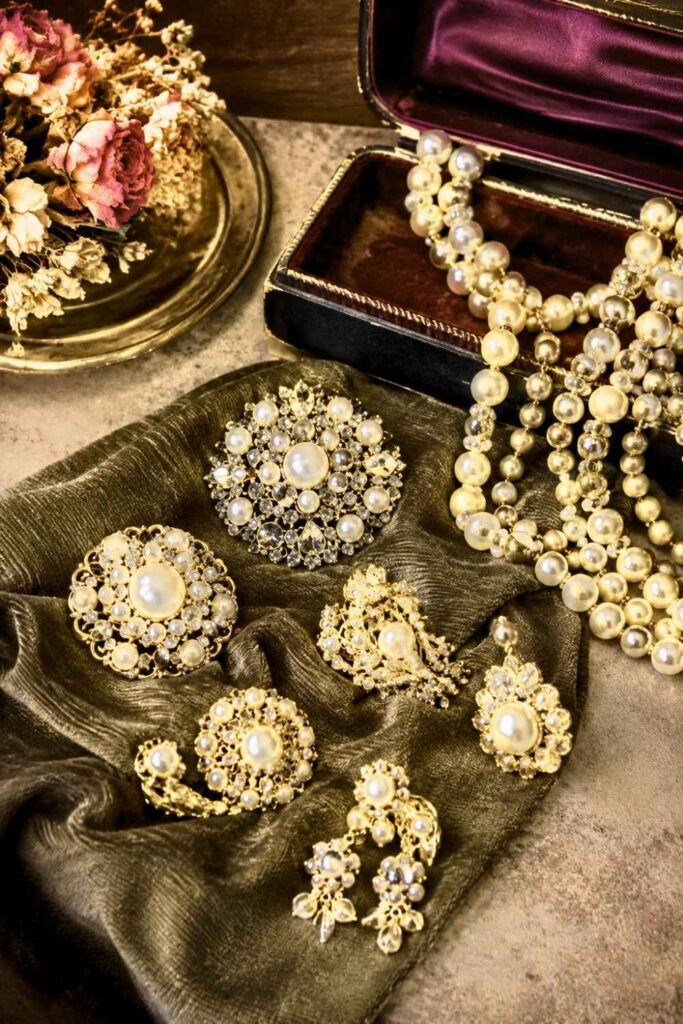
Certain Miriam Haskell designs consistently attract strong interest.
Faux Pearl Creations
Miriam Haskell became famous for elaborate faux pearl necklaces, brooches, and earrings.
These pieces often feature multiple strands, floral accents, and decorative clasps.
Floral Motifs
Nature-inspired themes remain among the most recognizable Haskell designs.
Popular floral elements include:
- Roses
- Leaves
- Vines
- Blossoms
- Garden-inspired clusters
Baroque Bead Jewelry
Irregular beads and artistic arrangements gave many pieces a romantic, handcrafted appearance.
Russian Gold Finish
Many collectors seek jewelry featuring the famous Russian gold-tone finish, known for its rich and warm appearance.
Elaborate Brooches
Statement brooches remain one of the strongest categories in the collector market.
Most Valuable Miriam Haskell Jewelry Categories
Not every vintage piece commands the same price.
The following categories tend to perform best in the market.
| Jewelry Type | Average Market Value |
| Simple Earrings | $50–$200 |
| Pearl Necklaces | $100–$500 |
| Brooches | $150–$1,500+ |
| Rare Designer Pieces | $500–$5,000+ |
| Museum-Quality Examples | $5,000–$20,000+ |
Values vary based on condition, rarity, provenance, and demand.
Rare Miriam Haskell Pieces Worth Serious Money
Certain pieces consistently generate strong auction results.
Early Unsigned Jewelry
Items from the 1920s and early 1930s are often difficult to identify but can be extremely valuable.
Frank Hess Designs
Jewelry attributed to Frank Hess frequently attracts premium prices due to its historical significance.
Runway and Celebrity Pieces
Jewelry connected to notable figures or fashion events often commands higher values.
Unusual Color Combinations
Rare color palettes can significantly increase collector interest.
Complete Matching Sets
Necklace, bracelet, brooch, and earring sets are especially desirable.
Factors That Affect Value
Several factors determine how much a piece is worth.
Condition
Condition remains the most important factor.
Collectors look for:
- Intact beads
- Original finish
- Secure clasps
- Minimal discoloration
- No missing stones
Rarity
The fewer examples available, the higher the potential value.
Age
Earlier pieces generally command stronger prices.
Provenance
Documented ownership history can dramatically increase value.
Original Components
Replacing missing beads or stones may reduce collector interest.
Miriam Haskell Jewelry Value by Era
1920s–1930s
This period includes some of the rarest examples.
Estimated Value Range:
$500–$10,000+
1940s
World War II-era designs remain highly collectible.
Estimated Value Range:
$200–$3,000+
1950s
One of the brand’s most productive and recognizable decades.
Estimated Value Range:
$150–$2,500+
1960s
Fashion-forward designs continue to attract collectors.
Estimated Value Range:
$100–$1,500+
1970s and Later
Generally more affordable but still collectible.
Estimated Value Range:
$50–$1,000+
How to Spot Rare Miriam Haskell Jewelry
Collectors often use a combination of clues.
Complex Hand-Wiring
The more intricate the hand-wiring, the more likely a piece represents high-quality production.
Unique Components
Custom beads and decorative elements often indicate rarity.
Artistic Design
Pieces that resemble wearable sculptures tend to command stronger prices.
Historical Documentation
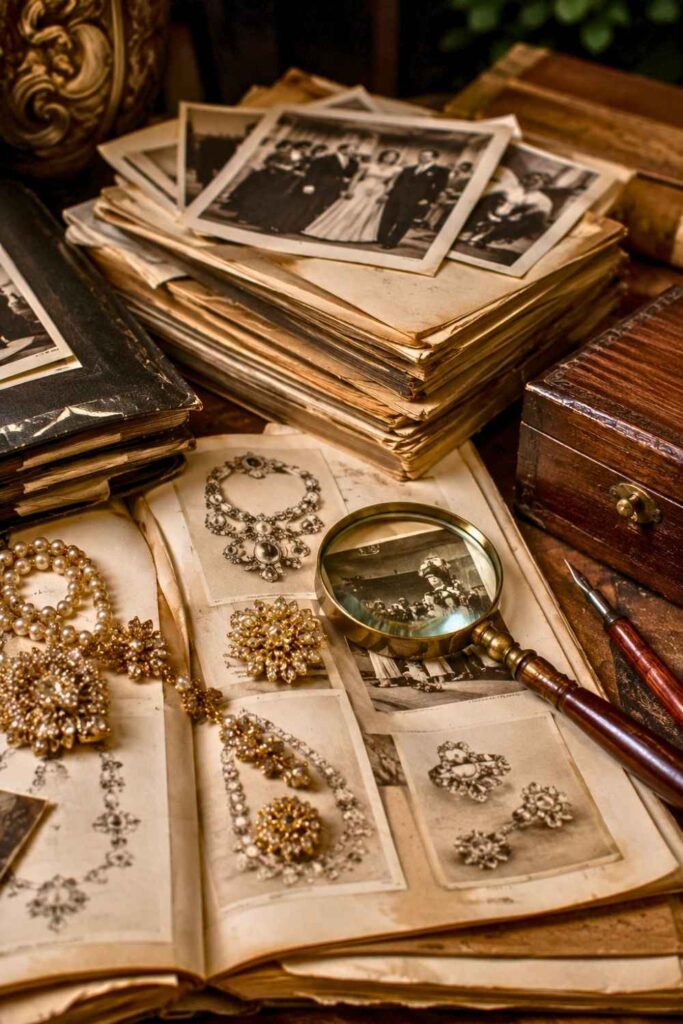
Catalog references can confirm rarity and authenticity.
Common Miriam Haskell Jewelry Styles and Their Values
| Style | Typical Value |
| Faux Pearl Necklace | $100–$500 |
| Floral Brooch | $200–$1,500 |
| Beaded Bracelet | $75–$400 |
| Crystal Earrings | $50–$300 |
| Statement Necklace | $300–$2,000 |
| Rare Designer Piece | $1,000–$5,000+ |
Where to Buy Vintage Miriam Haskell Jewelry
Collectors frequently search for pieces through:
- Antique shops
- Estate sales
- Vintage jewelry dealers
- Specialty auctions
- Online marketplaces
- Collector conventions
Always request detailed photos and condition reports before purchasing.
How to Care for Vintage Miriam Haskell Jewelry
Proper care helps preserve value.
Store Carefully
Keep jewelry in individual soft pouches.
Avoid Moisture
Humidity can damage finishes and adhesives.
Handle Gently
Vintage pieces often contain delicate components.
Clean Conservatively
Avoid harsh chemicals and abrasive cleaners.
Inspect Regularly
Check clasps and connections periodically.
Investment Potential of Miriam Haskell Jewelry
Over the past several decades, exceptional Miriam Haskell pieces have shown strong appreciation among collectors.
While not every item will dramatically increase in value, rare examples with excellent provenance and condition often outperform more common vintage costume jewelry brands.
Collectors increasingly view top-quality Haskell jewelry as both wearable art and a long-term collectible asset.
Tips for New Collectors
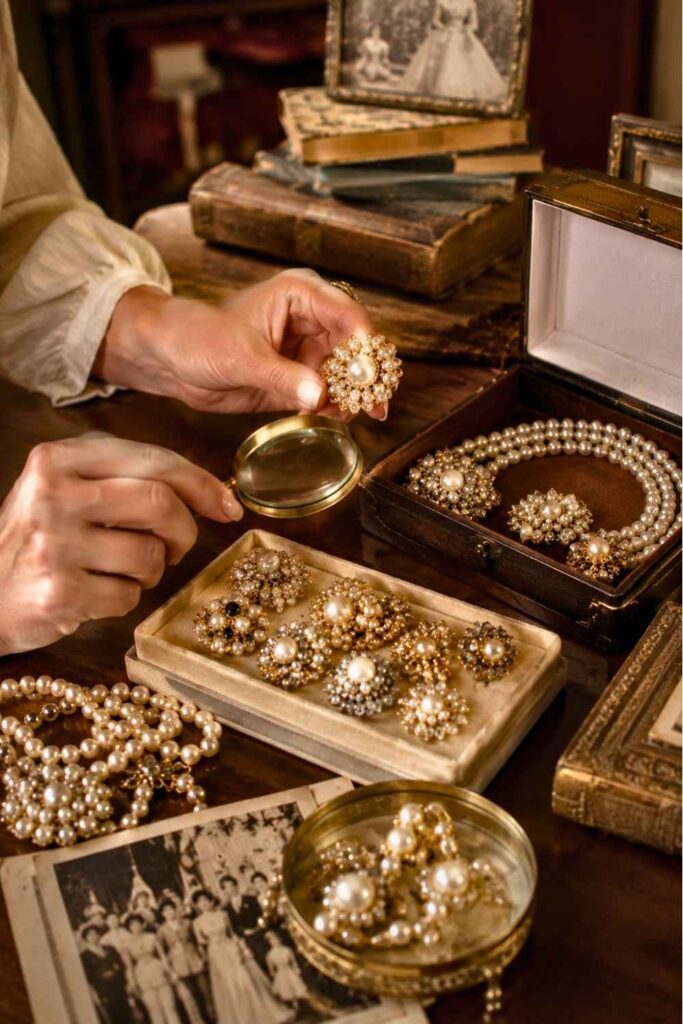
If you are just starting a collection, consider these strategies:
- Learn the major design periods.
- Study authentic signatures.
- Focus on condition.
- Buy from reputable sellers.
- Collect styles you personally enjoy.
- Research auction results.
- Keep purchase records.
Patience and education often lead to the best collecting decisions.
Key Highlights
- Miriam Haskell jewelry was founded in 1926 and remains one of the most respected names in vintage costume jewelry.
- Handcrafted construction is a major factor behind its desirability.
- Early unsigned pieces can be exceptionally valuable.
- Faux pearls, floral motifs, and Russian gold finishes are signature characteristics.
- Condition, rarity, age, and provenance heavily influence value.
- Rare museum-quality examples can exceed several thousand dollars.
- Matching sets generally command higher prices than individual pieces.
- Proper storage and maintenance help preserve long-term value.
- Strong collector demand continues to support the vintage market.
FAQs
How can I tell if my Miriam Haskell jewelry is authentic?
Look for period-appropriate signatures, hand-wired construction, quality materials, and intricate craftsmanship. Early pieces may be unsigned but still authentic.
What is the most valuable Miriam Haskell jewelry?
Rare early designs, Frank Hess creations, museum-quality pieces, and complete matching sets tend to be among the most valuable.
Are unsigned Miriam Haskell pieces worth anything?
Yes. Some early unsigned pieces are highly collectible and may be worth hundreds or even thousands of dollars.
How much is a vintage Miriam Haskell pearl necklace worth?
Depending on condition, age, and rarity, values typically range from $100 to $500, with exceptional examples selling for much more.
Does damaged Miriam Haskell jewelry still have value?
Yes. Rare pieces may retain significant value even with minor damage, though condition strongly affects pricing.
Where can I sell Miriam Haskell jewelry?
Collectors commonly sell through antique dealers, estate jewelry specialists, auction houses, and reputable online marketplaces.
Is Miriam Haskell jewelry considered fine jewelry?
Technically it is costume jewelry, but its craftsmanship and collector demand place it among the most prestigious vintage jewelry categories.
Are Miriam Haskell brooches collectible?
Absolutely. Floral and statement brooches are among the most sought-after pieces in the market.
Final Words
Vintage Miriam Haskell jewelry represents a remarkable blend of artistry, craftsmanship, and fashion history. From elaborate faux pearl necklaces to highly collectible floral brooches, these pieces continue to captivate collectors around the world. Understanding signature styles, construction techniques, hallmarks, and market trends can help both beginners and experienced collectors identify valuable treasures hidden in jewelry boxes, estate sales, and antique markets.
Whether you are buying, selling, or simply appreciating vintage jewelry, Miriam Haskell remains one of the most respected and rewarding names in the world of collectible costume jewelry. As demand for authentic vintage fashion continues to grow, well-preserved and rare Haskell creations are likely to remain prized possessions for generations to come.